As an Amazon Associate, we earn from qualifying purchases. Some links on this site are affiliate links at no extra cost to you. Our recommendations are based on thorough research and editorial judgment.


Why Choose Hypoallergenic Foods for Your Bulldog?

Choosing hypoallergenic foods for your Bulldog can greatly enhance their health and quality of life. Bulldogs are prone to food allergies, often triggered by common ingredients like beef, chicken, and wheat. Hypoallergenic diets minimize allergic reactions by using novel protein sources and limited ingredients. These specialized foods can reduce skin issues, digestive problems, and recurrent ear infections. When selecting a hypoallergenic diet, opt for high-quality, whole food ingredients without artificial additives. Gradually shift your Bulldog to the new food over 7-10 days, monitoring for improvements in skin, coat, and digestion. Consult your veterinarian for personalized recommendations and to guarantee your Bulldog receives ideal nutrition. Understanding the specific benefits can help you make an informed decision for your pet’s well-being.
Key Takeaways
- Bulldogs are prone to food allergies, and hypoallergenic diets minimize allergic reactions by excluding common allergens.
- Hypoallergenic foods often contain novel protein sources, reducing the risk of sensitivity and improving digestion.
- Limited ingredient diets simplify allergen identification and help manage skin issues, digestive problems, and ear infections.
- Switching to hypoallergenic food can lead to improved overall health, including better coat condition and reduced itching.
- Hypoallergenic diets provide essential nutrients while avoiding common triggers like beef, chicken, dairy, wheat, and corn.
Common Allergies in Bulldogs
You may be interested



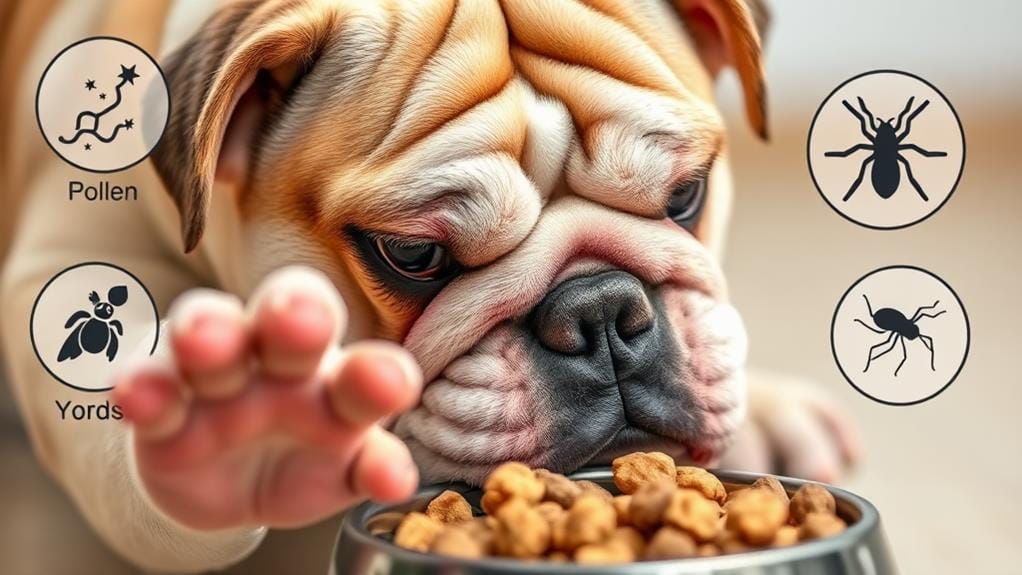
Man’s best friend isn’t always friends with their food. Bulldogs, in particular, are prone to food allergies, with common triggers including beef, chicken, dairy, wheat, and corn.
These allergies can manifest in various ways:
- Skin issues: Itching, redness, and rashes
- Digestive problems: Diarrhea, vomiting, and excessive gas
- Recurrent ear infections: Inflammation and discharge
To identify specific allergens, an elimination diet is often recommended. This process involves gradually reintroducing potential allergens to pinpoint the culprits.
Once identified, you can shift your Bulldog to hypoallergenic foods containing high-quality ingredients that exclude common allergenic proteins and grains.
Benefits of Hypoallergenic Diets

Switching to a hypoallergenic diet can be a game-changer for Bulldogs with food sensitivities. These specialized diets minimize allergic reactions by excluding common allergens like beef, dairy, and wheat, which are often linked to skin and gastrointestinal issues.
By incorporating novel protein sources, such as duck or fish, hypoallergenic diets reduce the risk of sensitivities while providing balanced nutrition tailored to your Bulldog’s needs.
The benefits of hypoallergenic diets for Bulldogs include:
- Improved digestion and nutrient absorption
- Reduced itching, redness, and digestive discomfort
- Enhanced overall quality of life
Limited ingredient approaches in hypoallergenic foods help identify specific allergens and simplify dietary management for Bulldogs with known food sensitivities.
Selecting the Right Ingredients

Choosing the right ingredients is essential when selecting hypoallergenic foods for your Bulldog. Opt for novel protein sources like duck, venison, or fish to minimize allergic reactions.
Look for limited ingredient diets (LIDs) that simplify identifying potential allergens. Avoid common triggers such as wheat, corn, soy, and dairy.
For maximum digestive health, select foods with highly digestible carbohydrates like sweet potatoes or peas. Prioritize brands that use high-quality, whole food ingredients without artificial additives. These nutritious ingredients support your Bulldog’s overall health and well-being.
When evaluating hypoallergenic options:
- Check for novel proteins
- Confirm the use of limited ingredients
- Guarantee the absence of common allergens
- Verify the inclusion of digestible carbohydrates
- Scrutinize the quality of all ingredients
Transitioning to Hypoallergenic Food

Once you’ve selected the right hypoallergenic food for your Bulldog, it’s time to introduce it into their diet. Shifting your bulldog to hypoallergenic food requires a gradual approach to prevent gastrointestinal upset and monitor for allergic reactions. The process typically takes 7-10 days and involves slowly increasing the proportion of new food mixed with the old.
To guarantee a smooth shift:
- Start by replacing 25% of the current food with hypoallergenic food for 2-3 days.
- Increase to 50% for the next few days, then to 75%.
- Finally, switch completely to the hypoallergenic food.
Throughout this process, closely observe your bulldog for any adverse symptoms or improvements.
Consult with a veterinarian before beginning the shift to address your dog’s specific food sensitivities and dietary needs.
Choose hypoallergenic foods free from common allergens and containing unique protein sources to effectively manage your bulldog’s allergies.
Monitoring Your Bulldog’s Health

To effectively monitor your bulldog’s health while on a hypoallergenic diet, you’ll need to pay close attention to several key indicators.
Observe your dog’s skin and coat regularly, looking for improvements in texture, shine, and any reduction in itching or redness.
Track your bulldog’s digestive health by monitoring stool consistency, frequency of bowel movements, and any signs of gastrointestinal discomfort.
Additionally, be alert to any behavioral changes, such as increased energy levels or reduced scratching, which can signal that the new diet is having a positive impact on your bulldog’s overall well-being.
Observe Skin and Coat
Your bulldog’s skin and coat serve as vital indicators of their overall health and response to a hypoallergenic diet. Regularly observing your dog’s skin and coat condition can help you identify potential food allergies or skin issues early on.
Watch for signs of:
- Excessive scratching or itching
- Redness, rashes, or irritation
- Dry skin, dandruff, or dull coat
These symptoms may indicate an allergic reaction to food or environmental factors. A healthy coat, characterized by shine and minimal shedding, often suggests that your bulldog is responding well to a hypoallergenic diet.
Keep a detailed record of any skin changes during dietary shifts to identify specific allergens. This information can guide future food choices for ideal skin health.
Track Digestive Health
Beyond skin and coat health, tracking your bulldog’s digestive health is essential when introducing a hypoallergenic diet. Monitor your dog’s symptoms closely, as food allergies can manifest through various digestive issues. Keep a detailed food diary to track allergic reactions and identify potential triggers. Regular vet check-ups will help assess your bulldog’s progress and address any emerging health issues.
| Symptom | Possible Indication |
|---|---|
| Diarrhea | Food intolerance |
| Vomiting | Allergic reaction |
| Excessive gas | Digestive sensitivity |
| Loss of appetite | Dietary discomfort |
| Changes in stool | Digestive disruption |
Hypoallergenic diets help by providing highly digestible ingredients tailored for sensitive stomachs. As you shift to these foods, observe changes in your bulldog’s stool consistency, appetite, and overall behavior. These observations will offer valuable insights into their digestive health and the effectiveness of the new diet.
Note Behavioral Changes
Vigilant observation of your bulldog’s behavior is essential when introducing a hypoallergenic diet. Monitoring behavioral changes can provide significant insights into your bulldog’s health and potential food sensitivities.
Keep a detailed food diary, noting any symptoms or changes in behavior alongside dietary modifications. This practice helps correlate specific ingredients with adverse reactions.
Pay close attention to:
- Irritability or restlessness, which may indicate discomfort
- Changes in appetite or activity levels
- Excessive scratching or gastrointestinal issues
These observations can reveal underlying health issues related to food allergies.
If you notice persistent behavioral changes or symptoms, consult with a veterinarian promptly. They can provide expert guidance on adjusting your bulldog’s diet and addressing any health concerns.
Popular Hypoallergenic Food Brands
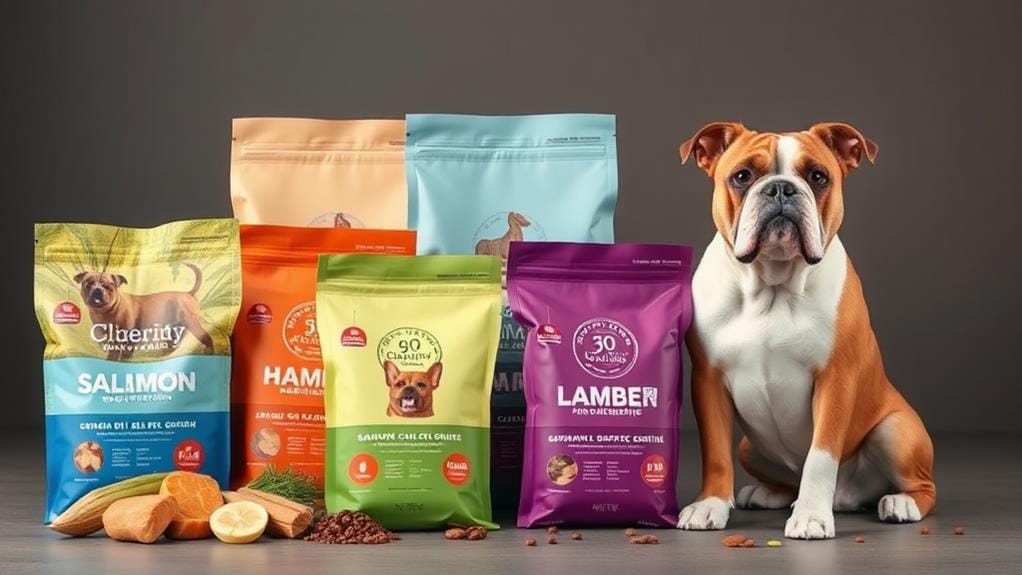
When considering hypoallergenic food options for your Bulldog, you’ll find several top-rated brands that cater to dogs with sensitivities.
These brands offer limited ingredient options, which can help pinpoint and avoid specific allergens that may be affecting your pet.
Many of these choices are veterinarian-recommended, providing peace of mind that you’re selecting a nutritionally balanced diet tailored to your Bulldog’s unique needs.
Top-Rated Hypoallergenic Brands
For Bulldogs with food sensitivities, several top-rated brands offer specialized hypoallergenic options. Royal Canin provides breed-specific formulas tailored for Bulldogs, ensuring ideal nutrition while minimizing allergic reactions.
Hill’s Science Diet offers veterinary-recommended hypoallergenic dog food designed to manage food allergies and support dogs with food sensitivities.
When choosing hypoallergenic options for your Bulldog, consider these key factors:
- Limited ingredients to reduce the risk of triggering allergies
- High-quality protein sources to meet nutritional needs
- Grain-free formulations to avoid common allergens
Blue Buffalo and Wellness offer grain-free and limited ingredient diets, focusing on wholesome ingredients and avoiding common allergens like wheat and soy.
Orijen provides biologically appropriate, high-protein recipes with unique protein sources, supporting Bulldogs with sensitivities while ensuring their nutritional needs are met.
Limited Ingredient Options
Limited ingredient options are a game-changer for Bulldogs with food sensitivities. These hypoallergenic dog food formulas simplify ingredient lists, making it easier to identify and avoid common allergens that may trigger food allergies or digestive upset in your Bulldog.
Brands like Blue Buffalo and Pooch & Mutt offer tailored limited ingredient diets (LIDs) that minimize allergens while providing high-quality proteins and essential nutrients.
When selecting a limited ingredient option for your Bulldog, consider the following:
- Choose recipes with novel protein sources to reduce allergy risks.
- Look for grain-free options if your Bulldog has grain sensitivities.
- Opt for formulas with easily digestible carbohydrates to support digestive health.
- Verify the food meets your Bulldog’s specific dietary needs and nutritional requirements.
Veterinarian-Recommended Choices
Veterinarians play a key role in guiding Bulldog owners towards the most suitable hypoallergenic food options. When recommending hypoallergenic dog food for dogs with food allergies, veterinarians often suggest well-established brands known for their quality and effectiveness.
These veterinarian-recommended choices aim to provide a balanced diet while reducing the risk of allergic reactions.
Popular hypoallergenic food brands for Bulldogs include:
- Royal Canin: Offers breed-specific formulas tailored for Bulldogs with sensitivities
- Hill’s Science Diet: Provides clinically tested options designed to address various food allergies
- Blue Buffalo: Features grain-free and limited ingredient diets to manage allergies effectively
Other veterinarian-recommended brands include Wellness, known for its holistic approach, and Orijen, which offers high-protein recipes with limited common allergens.
These options can considerably improve your Bulldog’s health and well-being by minimizing allergic reactions.
Frequently Asked Questions
Why Would a Dog Need Hypoallergenic Food?
Your dog may need hypoallergenic food if they’re experiencing skin issues or digestive problems due to food sensitivities. These foods limit ingredients, reducing immune responses. Consult your vet about an elimination diet and consider breed-specific allergies when choosing transparent ingredients.
What Are the Benefits of Hypoallergenic Food?
You’ll see improved digestive health, reduced skin sensitivity, and fewer food allergies. Hypoallergenic food offers nutritional balance, ingredient transparency, and aids in weight management. It also boosts immune support, enhances coat condition, and increases energy levels.
Is Hypoallergenic Dog Food Worth It?
Yes, hypoallergenic dog food is worth it. You’ll see reduced allergy symptoms and digestion issues, especially for breeds with sensitivity. While costlier, it offers nutritional balance and long-term health benefits. Consider vet recommendations and ingredient sourcing when choosing alternatives.
What Are the Benefits of a Hypoallergenic Dog?
Ever wondered how to keep your furry friend healthy and happy? A hypoallergenic dog can reduce allergy symptoms, skin irritation, and digestive issues. They’re often less prone to immune responses, maintaining better nutritional balance. Always consult your vet for breed-specific advice and food trials.
Conclusion
As you navigate the labyrinth of canine nutrition, consider your bulldog’s dietary journey akin to tending a delicate garden. By carefully selecting hypoallergenic ingredients, you’re planting seeds of health that will flourish into robust well-being. Just as a skilled gardener nurtures their plants, you’ll monitor your dog’s progress, adjusting as needed. With patience and dedication, you’ll cultivate a thriving, allergy-free companion. Remember, the path to peak health is a continuous process, requiring vigilance and adaptability.