As an Amazon Associate, we earn from qualifying purchases. Some links on this site are affiliate links at no extra cost to you. Our recommendations are based on thorough research and editorial judgment.
10 Bulldog Food Allergy Signs and Diet Fixes

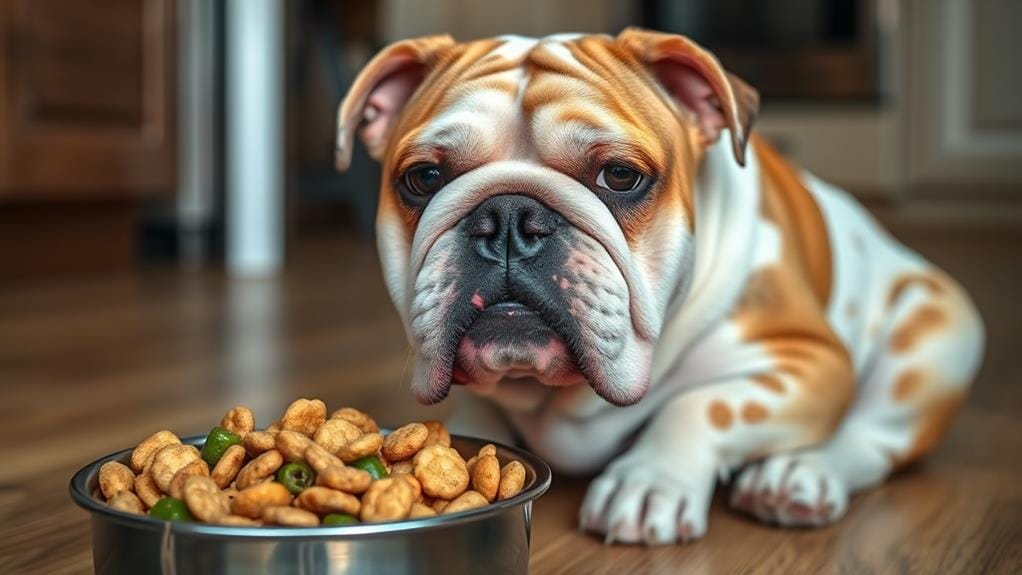
Bulldogs commonly experience food allergies, with signs including itchy skin, gastrointestinal distress, ear infections, and excessive paw licking. Common allergens are beef, dairy, and chicken. To address these issues, we recommend implementing an elimination diet with novel protein sources or hydrolyzed protein diets. Careful reintroduction of ingredients helps identify specific allergens. Supplements like omega-3 fatty acids and probiotics can provide relief. Long-term management involves maintaining a hypoallergenic diet and regular veterinary consultations. Documenting dietary changes and symptoms is essential for effective management. Understanding these signs and strategies is the first step in improving your bulldog’s quality of life.
Key Takeaways
- Itchy skin, coat issues, and persistent scratching are common signs of food allergies in Bulldogs.
- Gastrointestinal distress, including vomiting and diarrhea, may indicate food sensitivities.
- Ear infections, inflammation, and excessive paw licking can be symptoms of food allergies.
- Implement an elimination diet with novel proteins or hydrolyzed diets to identify and manage food allergens.
- Consult a veterinarian regularly and consider supplements like omega-3 fatty acids for long-term allergy management.
Itchy Skin and Coat Issues
You may be interested



Itchy skin and coat issues are often the telltale signs of food allergies in Bulldogs. We see these adorable pups struggling with persistent scratching, inflammation, and even hair loss. When our Bulldogs develop allergic dermatitis, it’s not just uncomfortable—it can lead to secondary infections in areas they lick or scratch excessively. Here’s what we need to watch for:
- Continuous itching unrelated to seasons
- Inflammation and redness of the skin
- Excessive scratching and licking
- Hair loss in affected areas
Common allergens causing these issues include:
- Proteins (beef, chicken)
- Grains (wheat)
To address these problems, we must work with our veterinarians to implement a hypoallergenic diet trial. This process helps identify specific food allergens and can provide relief for our Bulldogs’ skin and coat issues.
Gastrointestinal Distress
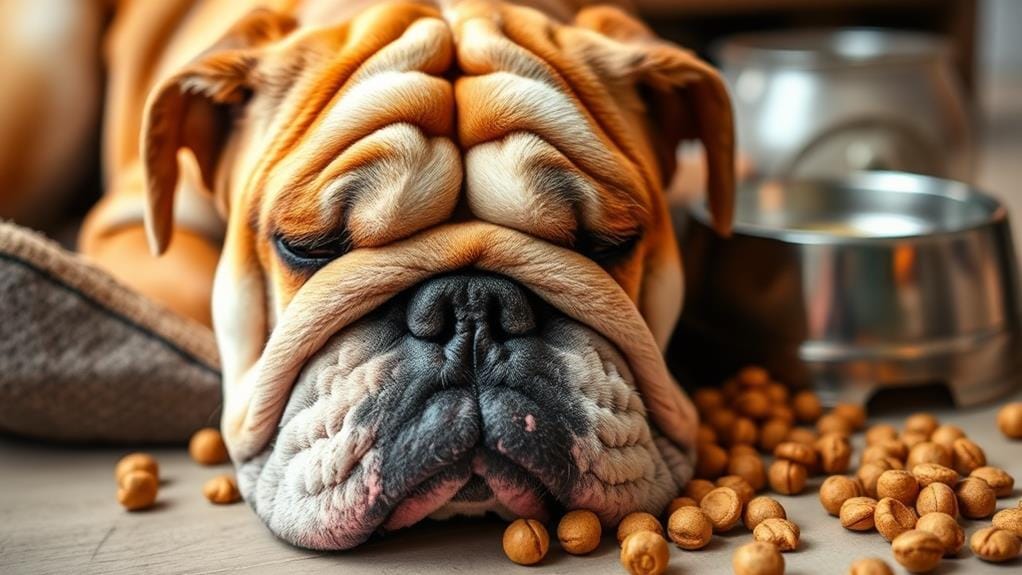
While skin issues are often the most visible signs of food allergies in Bulldogs, we can’t overlook the impact on their digestive system. Gastrointestinal problems can manifest as vomiting, diarrhea, flatulence, and abdominal pain, indicating an immune response to specific food proteins. It’s important to mention that about 20% of dogs with food allergies experience these symptoms.
To address these issues, we recommend implementing a strict hypoallergenic diet trial for 2-3 weeks. This approach helps identify food intolerances and sensitivities. A novel protein diet, featuring ingredients your Bulldog hasn’t consumed before, can effectively alleviate gastrointestinal distress linked to food allergies.
Throughout the diet trial, regular veterinary consultations are vital to guarantee nutritional adequacy and address any digestive issues that may arise during the dietary change.
Ear Infections and Inflammation
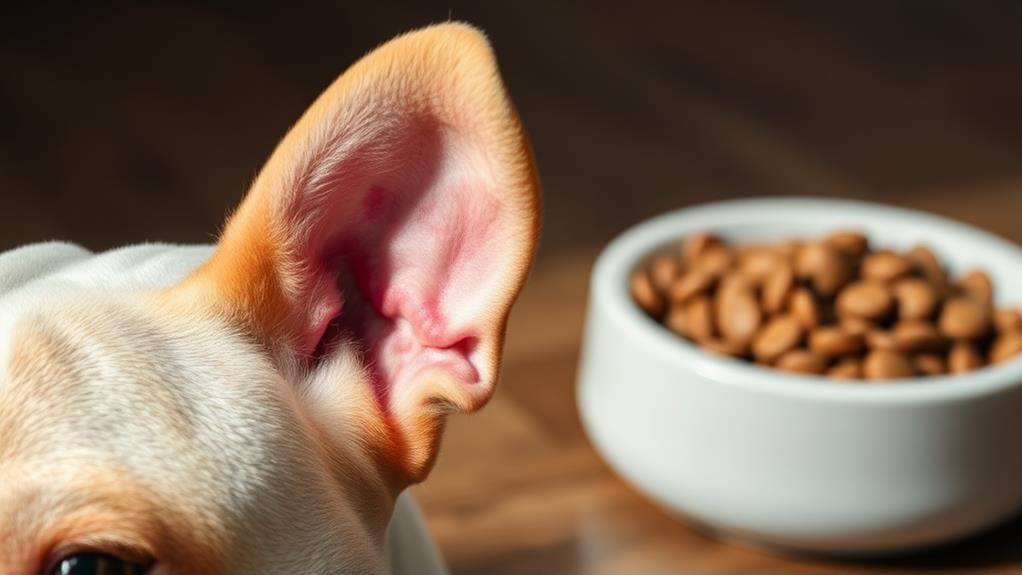
Ear infections in bulldogs can be a telltale sign of food allergies, often manifesting with symptoms like head shaking, scratching, and foul odors. We’ll explore how common allergens, such as chicken, beef, and dairy, can trigger these ear problems in our canine companions. Understanding the connection between diet and ear health is essential, as we’ll discuss how treating ear-related allergies often involves dietary adjustments and ongoing monitoring under veterinary guidance.
Common Ear Infection Symptoms
Several telltale signs can alert bulldog owners to potential ear infections in their pets. We’ll often notice our bulldogs excessively scratching or pawing at their ears, accompanied by frequent head shaking. These common symptoms, along with inflammation and redness inside the ear canal, are strong indicators of an infection. We might also observe a foul-smelling discharge, which can vary in color from brown to yellow or even bloody.
Our bulldogs may exhibit signs of discomfort, such as whining or sensitivity when we touch the affected area. It’s essential to monitor these symptoms closely, as chronic ear infections can lead to more severe complications, including hearing loss or polyp development. If we notice any of these signs, it’s imperative to seek prompt vet care to prevent further complications and guarantee our bulldog’s comfort and health.
Allergies Triggering Ear Problems
Many bulldog owners don’t realize that food allergies can be a hidden culprit behind persistent ear problems. In bulldogs, these allergies often manifest as ear infections, characterized by redness, swelling, and discharge. We’ve observed that up to 20% of dogs with skin issues also suffer from ear problems related to food allergies. The unique facial structure of bulldogs makes them particularly susceptible to these complications.
When addressing ear infections in bulldogs, it’s essential to take into account the role of diet. Switching to a hypoallergenic diet can greatly reduce the frequency of allergic reactions and subsequent ear problems. Treatment typically involves a two-pronged approach:
- Dietary changes to eliminate allergens
- Medications (e.g., antibiotics, antifungals) to treat active infections
Treating Ear-Related Allergies
Now that we’ve explored how food allergies can trigger ear problems in bulldogs, let’s focus on treating these ear-related allergies. It’s essential to work with a veterinarian to diagnose and manage these issues effectively. They’ll help identify the underlying cause and recommend appropriate treatments. Here’s a summary of common approaches:
| Treatment | Purpose | Duration |
|---|---|---|
| Antibiotics | Treat secondary infections | 7-14 days |
| Antifungals | Address yeast overgrowth | 10-30 days |
| Ear cleaning | Remove debris and discharge | As needed |
| Hypoallergenic diet | Eliminate food allergens | 8-12 weeks |
| Topical medications | Reduce inflammation | As prescribed |
Paw Licking and Chewing
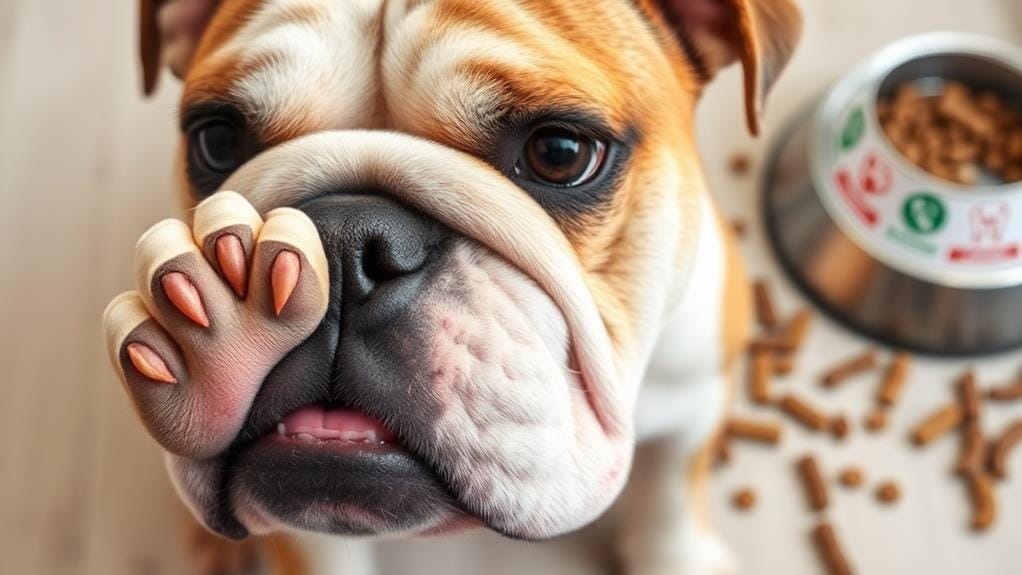
Let’s examine the telltale signs of paw allergies in bulldogs, which often manifest as persistent licking and chewing. We’ll explore the underlying causes of this excessive behavior, including food allergies and secondary infections that can exacerbate the problem. Finally, we’ll discuss effective treatments for irritated paws, focusing on dietary modifications and veterinary interventions to provide relief for your bulldog.
Identifying Paw Allergies
For bulldogs, excessive paw licking and chewing can be telltale signs of food allergies. We need to be vigilant in identifying these symptoms, as they often lead to inflammation, redness, and secondary infections. Common culprits include proteins like beef and chicken, but environmental allergies can also play a role. To pinpoint the cause, we’ll need to work closely with a veterinarian.
Our vet may recommend an eliminate diet trial to isolate specific food allergens. This process involves carefully managing our bulldog’s diet under professional supervision. It’s essential to differentiate between food allergies and other potential causes, such as flea allergies or contact dermatitis. Regular check-ups are important, especially during peak allergy seasons when environmental factors can exacerbate symptoms. By being proactive, we can help our bulldogs find relief from persistent paw irritation.
Causes of Excessive Licking
Understanding the root causes of excessive licking in bulldogs is essential to addressing this troublesome behavior. Food allergies often trigger this response, with common culprits including beef and chicken proteins. Environmental allergens, such as pollen and dust mites, can also cause skin irritation, leading to excessive licking. Notably, bulldogs may develop allergies to foods they’ve consumed for years, with symptoms appearing 2-3 months after exposure.
This persistent licking can result in secondary infections, exacerbating skin issues. To identify the specific allergens, a thorough veterinary examination is vital. An elimination diet trial may be necessary to pinpoint the problematic ingredients. It is significant to highlight that excessive licking, particularly of the paws, is often accompanied by other symptoms like redness, inflammation, and hair loss in affected areas.
Treating Irritated Paws
Tackling irritated paws in bulldogs calls for a multi-faceted approach. We’ll focus on addressing food allergies, which often manifest as excessive licking and chewing of the paws. To treat this condition effectively, we recommend:
- Implementing a hypoallergenic diet to identify and eliminate potential allergens
- Regular grooming and cleaning of the paws to minimize irritants
- Seeking veterinary intervention for secondary infections and appropriate treatments
Identifying Common Allergens
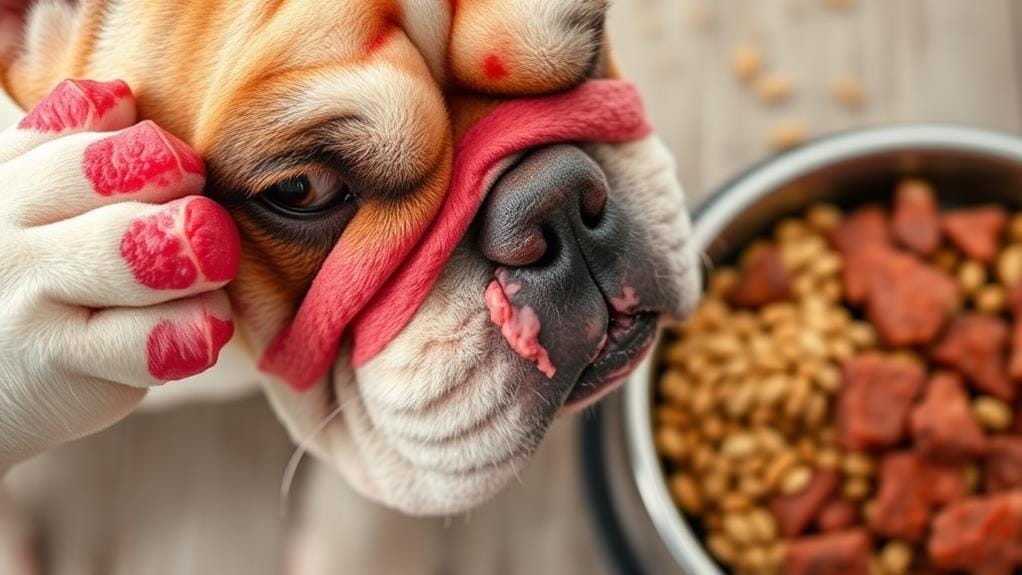
Identifying common allergens in Bulldogs involves recognizing the top culprits that frequently trigger allergic reactions. We’ve found that proteins like beef, chicken, and dairy are the most common food allergens for Bulldogs. Beef tops the list, accounting for 34% of cases, followed by dairy at 17% and chicken at 15%. Other potential allergens include wheat, lamb, soy, and corn. It’s vital to understand that Bulldogs can develop allergies to foods they’ve eaten for years, so we must stay vigilant. To accurately diagnose food allergies in Bulldogs, we often recommend an elimination diet followed by a re-challenging method. This process helps identify specific allergens, as Bulldogs may be allergic to multiple ingredients. Consulting with a veterinarian is essential for proper diagnosis and management of food allergies in Bulldogs.
Recommended Products

SUPPORT DIGESTIVE HEALTH FOR SENSITIVE STOMACHS: Grain-free and vegan, our pumpkin and sweet potato dog treats are packed with natural fiber to promote healthy digestion and regular bowel movements—perfect for dogs with sensitive stomachs, food allergies and a low fat diet.
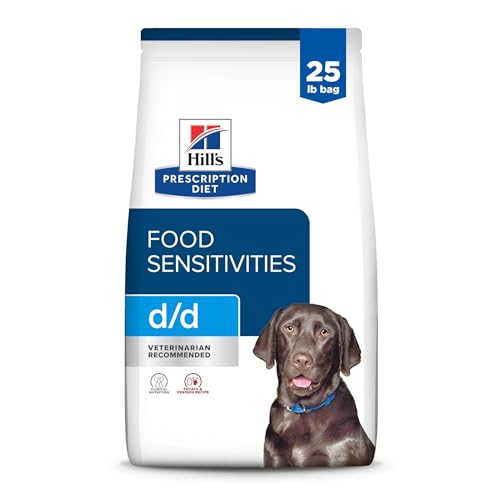
Hill's Prescription Diet d/d Food Sensitivities Potato & Venison Formula Dry Dog Food is specially formulated by Hill’s nutritionists and veterinarians to support your dog’s food sensitivities

Long-Lasting Chew: These turkey tendon chews feature a satisfyingly chewy texture and savory, meaty flavor dogs love. Ideal for moderate chewers or dogs that enjoy working on a tasty, longer-lasting treat.
Elimination Diet Process

Let’s explore the elimination diet process for bulldogs with food allergies, focusing on three key aspects: diet selection criteria, implementation and duration, and reintroduction and monitoring. We’ll examine how to choose an appropriate novel protein source and carbohydrate, implement the diet for 10-12 weeks under veterinary supervision, and carefully reintroduce ingredients to identify specific allergens. Understanding these steps is essential for successfully managing your bulldog’s food allergies and improving their overall health and comfort.
Recommended Products

Made with high-quality venison as the ingredient

Premium Venison for Sensitive Dogs: Easily digestible novel protein ideal for dogs with allergies to common proteins like chicken, beef, or lamb. Perfect for your, small-sized furry friends.
Diet Selection Criteria
For bulldogs with suspected food allergies, an elimination diet is an imperative diagnostic tool. When selecting an appropriate diet, we must take into account specific criteria to guarantee the best results. Here are three key factors to keep in mind:
- Novel protein sources: Choose proteins your bulldog hasn’t been exposed to before, such as insect-based food or hydrolyzed proteins.
- Limited ingredients: Opt for a hypoallergenic diet with minimal components to reduce potential allergens.
- Nutritional adequacy: Confirm the diet meets your bulldog’s nutritional needs during the 8-12 week trial period.
Collaborating with a veterinarian is vital in this process. They’ll help us select a diet that addresses your bulldog’s specific needs while maintaining nutritional balance. Remember, during the elimination diet, we must strictly control all food sources, including treats and supplements, to accurately identify any food allergies.
Implementation and Duration
The elimination diet journey begins with a clean slate. We’ll guide your Bulldog through an 8 to 12-week trial period, focusing on novel protein and carbohydrate sources. During this time, it’s vital to avoid all other food items, including treats and table scraps, to guarantee we accurately identify potential allergens.
We may recommend a hydrolyzed protein diet, which breaks down proteins to prevent immune recognition. This approach can be particularly effective when a food allergy happens. Throughout the process, we’ll monitor your pet’s diet and allergy symptoms closely.
After the initial phase, we’ll enter the re-challenge stage, gradually reintroducing previously consumed foods to pinpoint specific allergens. Remember, veterinary supervision is essential to maintain nutritional adequacy and properly document any changes in your Bulldog’s condition throughout the elimination diet process.
Reintroduction and Monitoring
Once your Bulldog has completed the initial 10-12 week elimination diet, we’ll begin the essential reintroduction phase. This process is important for identifying specific food allergens and monitoring for allergic reactions. We’ll systematically reintroduce one ingredient at a time, observing your dog for 5-7 days before introducing the next.
During this phase, it’s necessary to:
- Keep a detailed diary of symptoms and dietary changes
- Monitor closely for any adverse reactions
- Consult your veterinarian regularly for guidance
If negative symptoms reappear upon reintroduction of a specific food, we’ll permanently eliminate that ingredient from your Bulldog’s diet. This meticulous approach allows us to pinpoint potential allergens and create a tailored diet that minimizes allergic reactions. Remember, patience and consistency are key to successfully managing your Bulldog’s food allergies.
Novel Protein Food Options
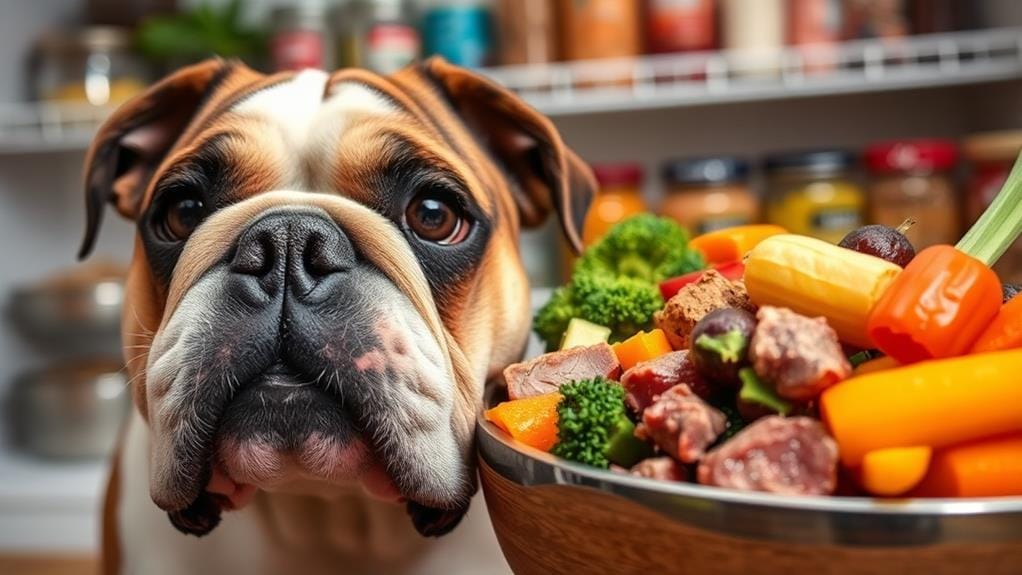
Novel protein diets offer a lifeline for bulldogs suffering from food allergies. These diets introduce unique protein sources like kangaroo, venison, duck, and insect-based proteins, which help reduce allergic reactions. By utilizing hydrolyzed proteins, we’re able to prevent the immune system from recognizing them as allergens. It’s vital to guarantee these diets meet all of a bulldog’s nutritional needs while avoiding common allergens.
The elimination diet trial, lasting 10-12 weeks, is the gold standard for diagnosing food allergies in bulldogs. We recommend collaborating with a veterinarian when implementing a novel protein diet to monitor your bulldog’s response and manage any allergic reactions.
| Protein Source | Hypoallergenic | Nutritionally Complete |
|---|---|---|
| Kangaroo | Yes | Yes |
| Venison | Yes | Yes |
| Duck | Yes | Yes |
| Insect-based | Yes | Yes |
| Hydrolyzed | Yes | Yes |
Recommended Products
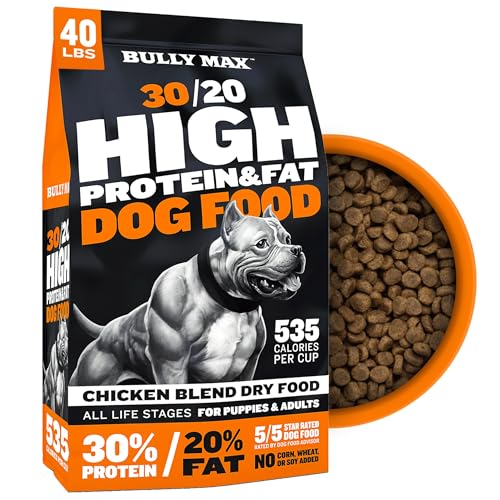
OPTIMAL MUSCLE & WEIGHT GAIN: Bully Max 30/20 High Protein Dog Food, the ONLY 5-star rated performance dog food by the world’s #1 online dog food review site, is designed for healthy weight gain and rapid muscle growth. With 30% more protein and 20% more fat than traditional options and a substantial 535 calories per cup, it efficiently nourishes your dog. This results in lower serving sizes with the same major dog fuel, particularly active breeds, receives ample energy for daily activities.

FORMULATED FOR PUREBRED BULLDOGS: Royal Canin Bulldog Puppy Dog Food is designed to meet the nutritional needs of purebred Bulldogs 8 weeks to 15 months old

COMPLETE NUTRITIONAL POWERHOUSE: This Bully Max bundle combines our 25/11 High Protein & Low Fat Lamb Dry Dog Food with our Chicken-flavored Instant Fresh Dehydrated Wet Dog Food and high-protein Beef Flavor Treats. This trio delivers balanced nutrition and muscle support for dogs at all life stages, small and large breeds, ensuring healthy growth, weight management, and vitality.
Hydrolyzed Protein Diets
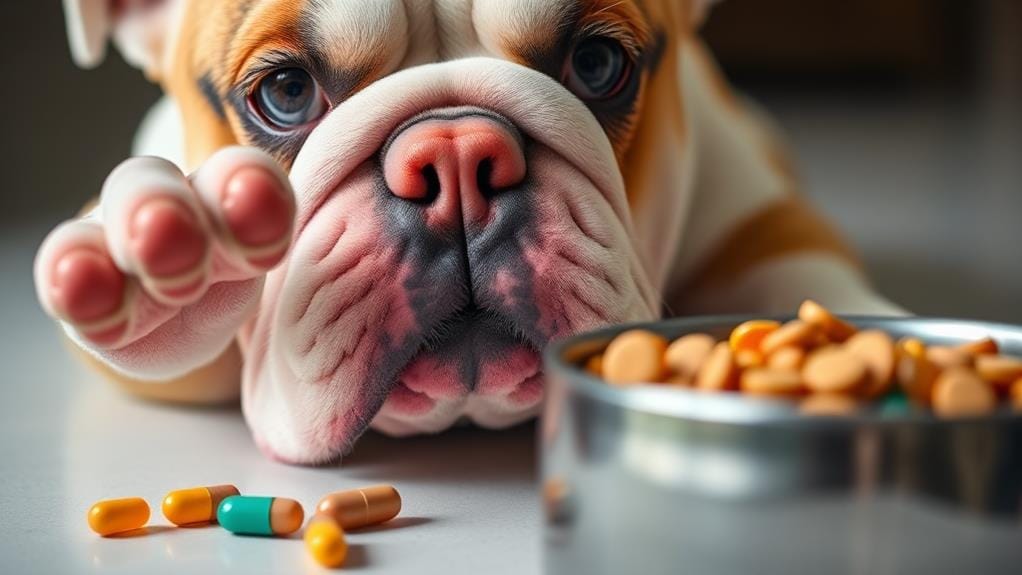
Diving into hydrolyzed protein diets, we find a powerful tool for managing food allergies in bulldogs. These specialized diets consist of proteins broken down into smaller molecules, reducing the likelihood of triggering an immune response. We often use them as part of an elimination diet trial, typically lasting 8-12 weeks under veterinary supervision.
The effectiveness of hydrolyzed protein diets lies in their ability to:
- Reduce allergic reactions
- Help identify specific food allergies
- Manage symptoms effectively
It’s essential to guarantee all food, treats, and supplements given during the trial are hydrolyzed to maintain the integrity of the elimination process. Many veterinarians recommend these diets as a first-line treatment for suspected food allergies, as they’re designed to include proteins the pet hasn’t been previously exposed to, aiding in symptom improvement.
Recommended Products

The Enhanced Bland Diet for cats: Complete and optimal recovery food for cats of all life stages with easy-to-digest ingredients

High protein dog food formula contains a single hydrolyzed protein source

Salmon Flavor high protein dog food formula contains hydrolyzed protein sources
Supplements for Allergy Relief
Exploring supplements for allergy relief can offer bulldogs additional support in managing food allergies. We’ve found that Omega-3 fatty acids, commonly sourced from fish oil, can effectively reduce inflammation and improve skin health in our allergy-prone pups. Probiotics are another valuable addition, supporting gut health and potentially alleviating gastrointestinal symptoms associated with food sensitivities.
For immediate relief during flare-ups, supplements containing quercetin, a natural antihistamine, can help reduce itching and inflammation. We also recommend considering Vitamin E supplements, as this antioxidant promotes skin healing and may soothe irritation caused by allergic reactions.
However, it’s essential to remember that every bulldog is unique. Before introducing any supplements, we strongly advise consulting with a veterinarian to guarantee they’re appropriate and safe for your furry friend’s specific health needs.
Recommended Products

Cat/Dog Skin and Coat Supplement: Relieve your pet from rashes, itchy skin & hot spots with Ultra Oil’s hemp & liquid fish oil for pets. Simply pump into their meal(s) for healthy skin & fur that shimmers!
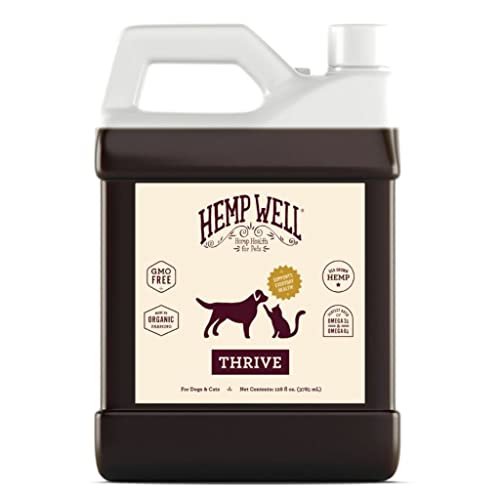
Hemp Well Thrive Pet Oil is an everyday supplement for overall pet health, including joint support and heart health. Hemp is a better option than salmon oil for dogs and cats.
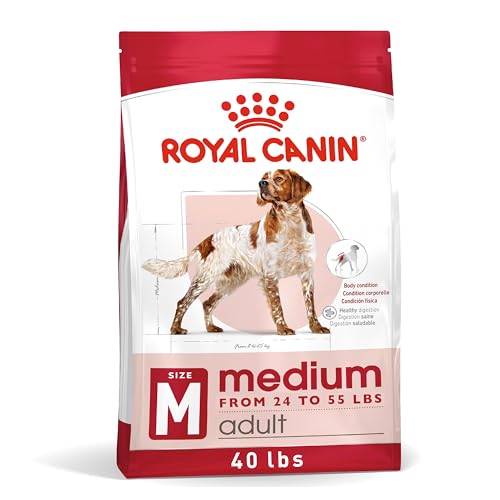
MEDIUM BREED DOG FOOD: Royal Canin Medium Adult Dry Dog Food for medium dogs 1 year to 7 years weighing 23 to 55 lbs
Long-Term Management Strategies
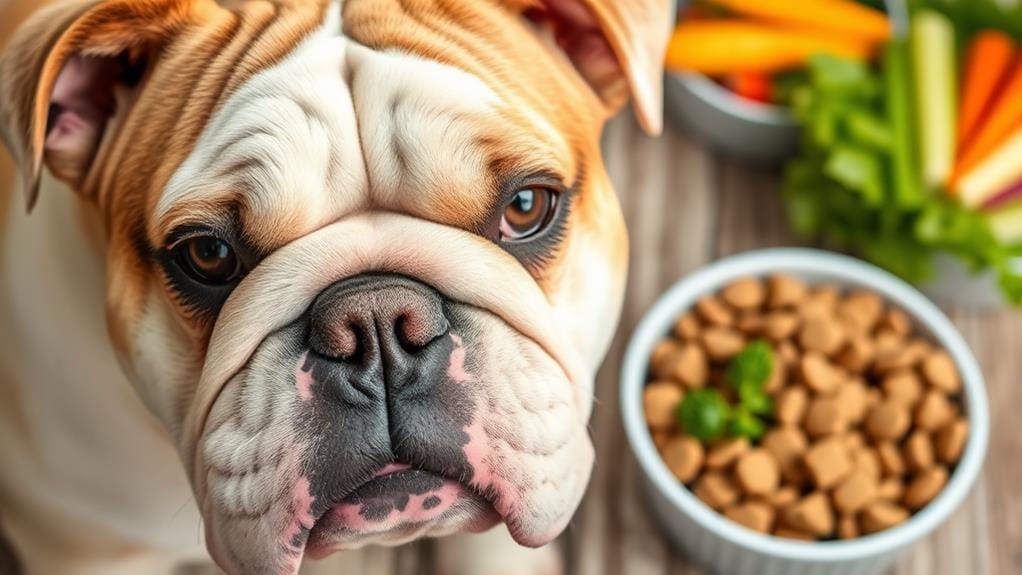
Maintaining a successful long-term strategy for managing your bulldog’s food allergies requires dedication and consistency. We’ll need to focus on implementing a hypoallergenic diet with novel protein sources and limited ingredients. Regular vet consultations are essential for monitoring your pet’s health and ensuring the diet remains nutritionally complete.
To effectively manage your bulldog’s food allergies in the long term:
- Strictly adhere to the elimination diet and hypoallergenic food plan
- Document any changes in symptoms or dietary responses
- Maintain a consistent feeding routine to prevent accidental allergen exposure
Frequently Asked Questions
What Do You Feed a Bulldog With Allergies?
We’d recommend hypoallergenic dog food or limited ingredient diets for our allergic bulldog buddy. Let’s explore novel protein sources and grain-free options. We could even try homemade dog meals, but first, let’s consider allergy testing methods to pinpoint triggers.
How to Fix Bulldog Allergies?
Let’s tackle those bulldog allergies together! We’ll start with an elimination diet and try hypoallergenic foods to pinpoint ingredient sensitivities. We can explore natural remedies, but don’t forget vet consultations and allergy testing for a tailored approach, dear friend.
How Do You Treat Dog Food Allergy Symptoms?
Like detectives solving a mystery, we’ll start with symptom identification and allergy testing. Let’s work together on diet elimination and ingredient awareness. We’d love to guide you through veterinary consultation and even home cooking if needed, dear friend.
How Long Does It Take for a Food Allergy to Leave a Dog’s System?
We’ve found that a food allergy can take 8-12 weeks to leave our furry friend’s system. During this timeline, we’ll monitor their immune response and symptom resolution. Let’s be patient as we navigate the dietary elimination process together.