As an Amazon Associate, we earn from qualifying purchases. Some links on this site are affiliate links at no extra cost to you. Our recommendations are based on thorough research and editorial judgment.


Why Choose Grain-Free Options for Your Allergic Bulldog?

We recommend grain-free options for allergic bulldogs due to their potential benefits in managing food sensitivities. While true grain allergies are rare, affecting less than 1% of dogs, grain-free diets can help reduce allergic reactions by eliminating common allergens like wheat and corn. These diets often improve digestive health with easily digestible ingredients such as sweet potatoes and peas. An elimination diet trial, lasting at least ten weeks, is essential for identifying specific allergens. Grain-free alternatives like potatoes, lentils, and chickpeas provide important nutrients and fiber. However, it’s critical to consult with a veterinarian to guarantee nutritional adequacy and monitor for potential health concerns. The following sections offer deeper insights into this dietary approach.
Key Takeaways
- Grain-free diets can reduce allergic reactions by eliminating common allergens like wheat and corn.
- Improved digestive health is observed with easily digestible ingredients like sweet potatoes and peas.
- Limited ingredient diets can help identify specific sensitivities by containing fewer potential allergens.
- Grain-free options may enhance overall digestive function and alleviate gastrointestinal issues.
- Alternative carbohydrate sources like potatoes and legumes provide essential nutrients without common grain allergens.
Understanding Bulldog Food Allergies
You may be interested



We’ve all seen those adorable bulldog faces, but what many don’t realize is that these lovable pups often struggle with food allergies. Bulldogs frequently experience symptoms like itching, skin infections, and gastrointestinal upset due to food intolerances. Contrary to popular belief, proteins and additives are more common allergens than grains in bulldogs.
To diagnose these allergies, veterinarians typically recommend elimination diet trials lasting at least ten weeks, focusing on one variable at a time. This process requires diligent monitoring of symptoms and dietary changes. Maintaining a food diary can be invaluable in tracking reactions to specific ingredients.
While grain-free options may seem appealing, it’s essential to understand that true grain allergies affect less than 1% of dogs. Proper diagnosis and management of food allergies in bulldogs often necessitate professional guidance to guarantee ideal health and well-being.
Benefits of Grain-Free Diets

We’ll now explore two key benefits of grain-free diets for bulldogs: reduced allergic reactions and improved digestive health. For bulldogs with grain sensitivities, eliminating grains from their diet can greatly decrease allergic responses, leading to healthier skin and coat. In addition, grain-free options often incorporate easily digestible ingredients like sweet potatoes and peas, which can enhance overall digestive function and potentially alleviate common gastrointestinal issues in bulldogs.
Recommended Products

Fun Dog Chews - Our whole grain thick cut beef hides (lasts much longer than traditional rawhide) will occupy your dog

Supports a Strong Immune System: Our powerful blend of Turkey Tail mushrooms and Beta-Glucan helps promote everyday wellness and immune defense for dogs of all breeds.

Long Lasting Rawhide Dog Chews - Full Grain, using both the upper and outer layer of the hide, provides a stronger chew that does not break up or become brittle, making our rolled rawhides safe long lasting chews
Reduced Allergic Reactions
Bulldogs prone to food sensitivities may find relief in grain-free diets. These formulations often eliminate common allergens like wheat and corn, potentially reducing allergic reactions in sensitive dogs. While many food allergies in bulldogs are triggered by proteins rather than grains, grain-free options can be beneficial for those with suspected grain sensitivities.
| Diet Type | Protein Source | Potential Benefits |
|---|---|---|
| Grain-Free | High-quality animal | Reduced allergens |
| Limited Ingredient | Single protein | Easier identification |
| Veterinarian-Recommended | Tailored to needs | Nutritional balance |
We recommend consulting a veterinarian when considering grain-free diets for bulldogs with allergies. They can guide owners in managing sensitivities effectively and ensuring nutritional balance. Limited ingredient grain-free diets may be particularly helpful, as they contain fewer potential allergens, aiding in the identification of specific sensitivities.
Improved Digestive Health
Beyond allergy relief, grain-free diets offer bulldogs significant digestive health benefits. We’ve observed that these diets can reduce gastrointestinal upset in sensitive bulldogs by substituting grains with alternative carbohydrate sources. Many bulldogs experience improved stool quality due to higher fiber content from non-grain sources. The absence of grains can also stimulate a more favorable balance of gut bacteria, as alternative carbohydrates serve as prebiotics.
Here’s what we’ve noticed in bulldogs on grain-free diets:
- Reduced instances of diarrhea and constipation
- Decreased bloating and gas
- Improved nutrient absorption
- Enhanced overall liveliness and energy levels
Common Grain Alternatives
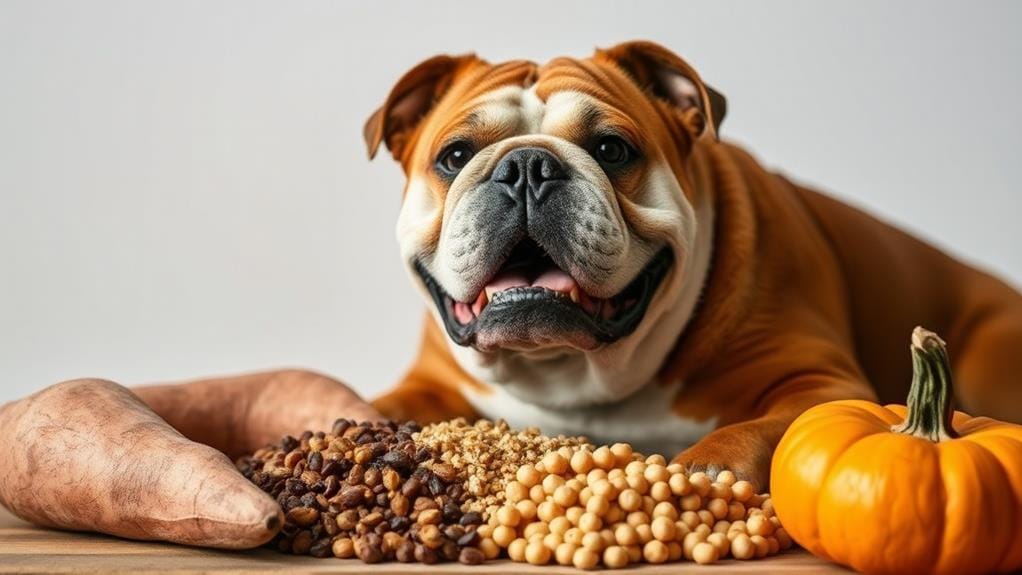
Grain-free diets for bulldogs often rely on a variety of common alternatives to provide essential nutrients and energy. We’ve compiled a list of popular grain substitutes that can support your bulldog’s digestive health and address food sensitivities or allergies. These alternatives include potatoes, peas, lentils, and beans, which offer carbohydrates and fiber while excluding traditional grains.
| Alternative | Nutrient Profile | Potential Benefits |
|---|---|---|
| Potatoes | Carbs, Vitamin C | Energy source |
| Peas | Protein, Fiber | Digestive support |
| Lentils | Protein, Iron | Muscle maintenance |
| Beans | Fiber, Folate | Gut health |
| Chickpeas | Protein, Zinc | Immune support |
While these alternatives can be beneficial, it’s imperative to maintain a balanced diet. We recommend consulting with a veterinarian to determine the most suitable grain-free options for your bulldog’s specific needs.
Recommended Products
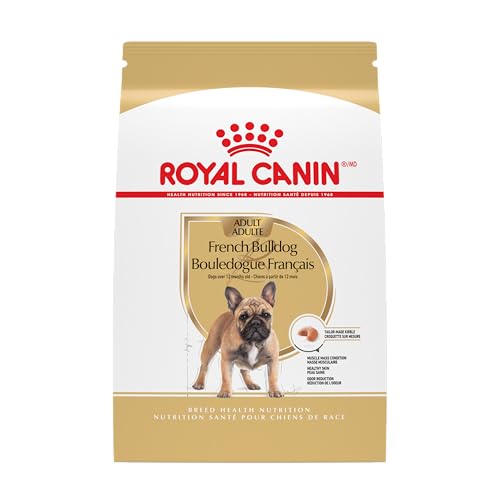
BREED HEALTH NUTRITION DOG FOOD: Royal Canin Breed Health Nutrition French Bulldog Adult Dog Food Dry Formula for purebred French Bulldogs 12 months and older

BREED HEALTH DOG FOOD: Royal Canin Breed Health Nutrition Bulldog Adult Dog Food Dry Formula for purebred Bulldogs 12 months and older

BREED HEALTH NUTRITION PUPPY DOG FOOD: Royal Canin Breed Health Nutrition French Bulldog Puppy Dog Food Dry Formula for purebred French Bulldogs 8 weeks to 12 months old
Identifying Allergic Reactions

We’ll now explore how to identify allergic reactions in bulldogs, which is essential for determining the effectiveness of grain-free diets. Common allergy symptoms include itching, skin infections, gastrointestinal upset, and behavioral changes, all of which can indicate a food-related issue. To pinpoint specific allergens, we recommend an elimination process under veterinary guidance, alongside potential diagnostic testing methods such as blood tests or skin prick tests.
Common Allergy Symptoms
Identifying allergic reactions in bulldogs can be challenging due to the variety of symptoms they may exhibit. We’ve observed that common allergy symptoms in bulldogs include itching, skin infections, gastrointestinal upset, and behavioral changes. Atopic dermatitis, a frequent allergic reaction, often manifests as redness, swelling, and excessive scratching. Food allergies can develop from repeated exposure to allergens, making it essential to identify specific triggers.
To help you recognize potential allergic reactions in your bulldog, watch for these signs:
- Persistent scratching or licking of the skin
- Vomiting or diarrhea (gastroenteritis)
- Increased irritability or changes in behavior
- Redness or swelling of the skin
We recommend keeping a food diary to track symptoms and manage dietary changes effectively. This approach can help pinpoint allergens and guide appropriate dietary management for your beloved bulldog.
Allergen Elimination Process
Pinpointing the exact allergens affecting your bulldog requires a methodical approach. We recommend conducting an elimination diet trial lasting at least ten weeks. This process involves systematically removing potential allergens from your bulldog’s diet and reintroducing them one at a time. It’s essential to work closely with your veterinarian during this process to guarantee proper guidance and avoid cross-contamination.
To identify food allergies in bulldogs, we focus on common symptoms such as itching, skin infections, and gastrointestinal upset. Keeping a detailed food diary can help track reactions to specific ingredients. It’s significant to remember that allergies in bulldogs often stem from proteins rather than grains, making grain-free options a potential solution. However, we must evaluate all dietary components when determining allergens. This systematic approach allows us to make informed dietary adjustments tailored to your bulldog’s specific needs.
Diagnostic Testing Methods
Diagnostic testing plays an essential role in identifying allergic reactions in bulldogs. We rely on various methods to pinpoint the culprits behind our furry friends’ discomfort. Elimination diets, under veterinarian guidance, are the gold standard for diagnosing food allergies. These trials typically last ten weeks, allowing us to observe changes in symptoms. For environmental allergies, skin and blood tests can be helpful, though less effective for food-related issues.
To aid in the process, we recommend:
- Keeping a detailed food diary
- Conducting Taurine serum tests for bulldogs on grain-free diets
- Performing regular veterinary check-ups
- Monitoring for signs of dilated cardiomyopathy (DCM)
Throughout the diagnostic journey, we must maintain close communication with our veterinarians. Their expertise guarantees we’re on the right track in managing our bulldogs’ allergies and overall health.
Transitioning to Grain-Free Food
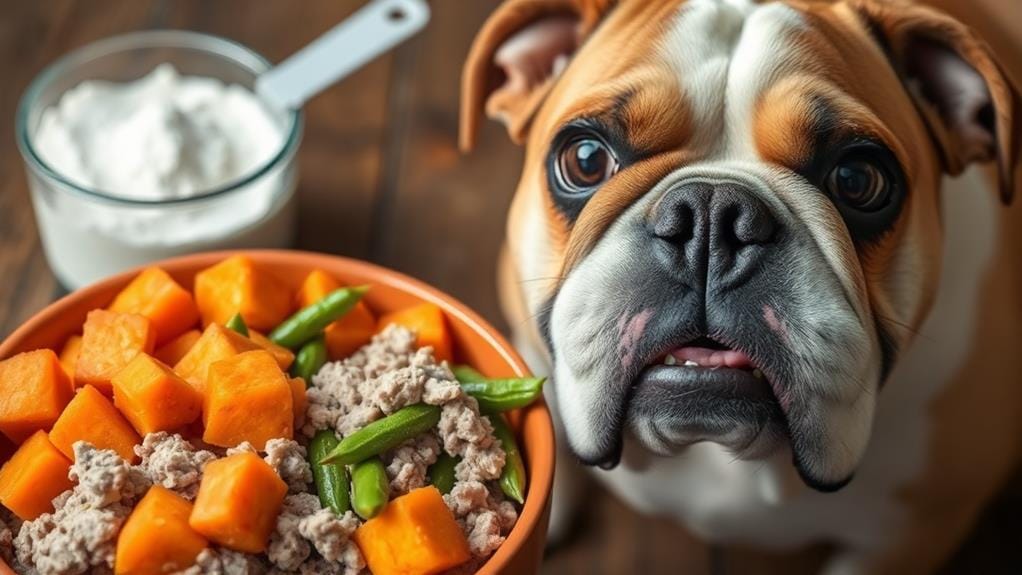
Initiating a grain-free diet for your bulldog requires careful planning and veterinary guidance. We recommend shifting gradually over a week, mixing old and new food to prevent digestive upset. It’s vital to consult with your veterinarian to guarantee the diet meets your allergic bulldog’s specific nutritional needs.
When switching to grain-free options, we’ll often use alternative carbohydrate sources like potatoes and legumes. However, it’s important to monitor for any new sensitivities. A thorough elimination diet trial, lasting at least ten weeks, is necessary to identify food allergies effectively.
Throughout the shift, we’ll closely monitor your bulldog’s health and symptoms. Some dogs may show improvement, while others may not respond positively. Regular check-ins with your veterinarian will help us adjust the diet as needed, ensuring peak nutrition and allergy management for your beloved pet.
Recommended Products
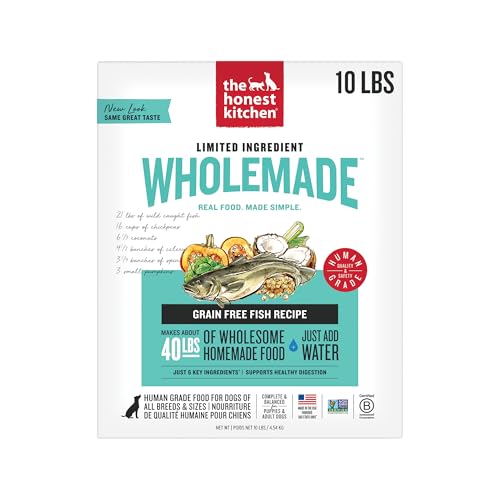
MAKES 40 LBS OF FOOD: Just add warm water for a wholesome and delicious meal that rehydrates to 4x its weight. A 10 LB box makes 40 LBs of fresh food Serve alone as a complete easy homemade meal, or use as a topper to dry food.
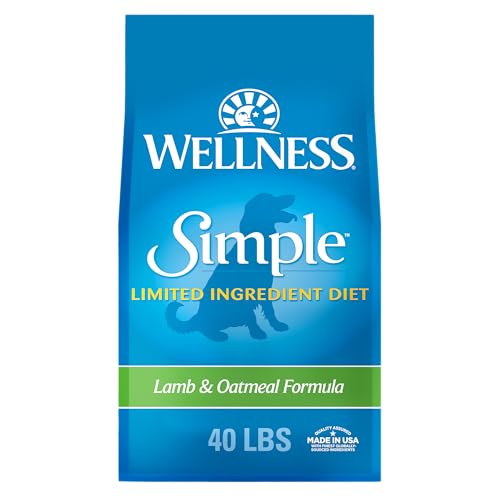
LIMITED INGREDIENT ADULT DOG FOOD: All natural, limited ingredient chicken free recipe crafted with a single source of protein from lamb, and expertly balanced with easily digestible carbohydrates from oatmeal, without any extra fillers.

LIMITED INGREDIENT DOG FOOD: Get as close as you can to the raw diet a dog would eat in the wild. With only 1 protein & 1 complex carb, Canine Caviar dog food is easily digestible.
Homemade Grain-Free Meal Ideas
We’ve got some tasty homemade grain-free meal ideas for your bulldog that’ll make mealtime a breeze. When preparing meals for bulldogs with food allergies, it’s vital to focus on balanced nutrition using protein sources, vegetables, and healthy fats. Here are some key components to include:
- Lean meats like chicken, turkey, or fish for essential amino acids
- Fiber-rich vegetables such as sweet potatoes, carrots, and green beans
- Healthy fats like fish oil or flaxseed oil for skin health
- Proper portion sizes to maintain a healthy weight
Recommended Products

Healthy Dog Chew Worth Yakkin' About - Long lasting dog chew made from yak milk, cow milk, lime juice, salt, and nothing else! Oh, except love... did we mention we make all our natural dog chew sticks with love?

VETERINARY FORMULATED NUTRITION: Made with human-grade chicken and nutrient-dense organ meats to deliver a complete & balanced raw diet that supports your puppy's natural biology. High-protein nutrition powered by real ingredients you can see and name.
Nutritional Considerations for Bulldogs

Bulldogs require a carefully balanced diet to maintain ideal health, even when considering grain-free options. When addressing food allergies in bulldogs, we must guarantee their nutritional needs are met. While grain-free diets can be beneficial for some, it’s vital to understand that grains provide essential nutrients and fiber. A balanced diet for bulldogs should include both animal proteins and plant-based foods to support overall health and digestive function. Without grains, we need to carefully select alternative carbohydrate sources to prevent nutrient deficiencies. It’s important to consult with a veterinarian to develop a tailored meal plan that addresses your bulldog’s specific needs. Remember, grain-free doesn’t always mean healthier, and we must prioritize a well-rounded diet that supports your bulldog’s unique nutritional requirements for peak health and longevity.
Recommended Products
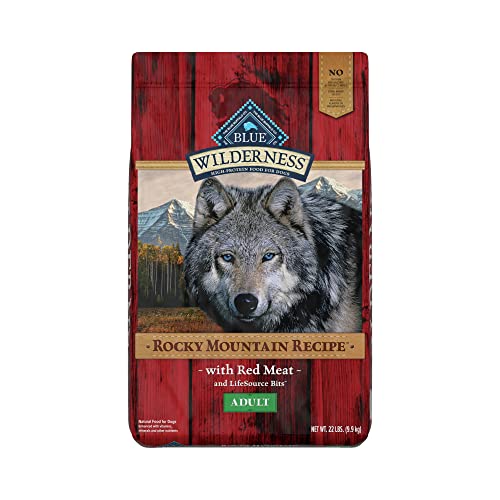
HIGH-PROTEIN NUTRITION: BLUE Wilderness dog food with real red meat as the first ingredient has 30% protein to help support lean muscle in adult dogs

Consulting Your Veterinarian

A essential step in exploring grain-free options for your bulldog is consulting with a veterinarian. These experts can assess your dog’s specific health needs and guide you through the process of dietary changes. They’ll help determine if a grain-free diet is appropriate and recommend high-quality protein sources. Veterinarians can also conduct elimination trials to identify food allergies accurately.
When consulting your veterinarian about grain-free diets for your bulldog, they may:
- Evaluate your dog’s current health status
- Discuss potential risks and benefits of grain-free options
- Suggest appropriate limited ingredient or hypoallergenic diets
- Develop a monitoring plan for potential health issues
Regular check-ups are important for bulldogs on grain-free diets. Your veterinarian will monitor for early signs of health concerns, such as dilated cardiomyopathy, ensuring your bulldog’s nutritional needs are met while addressing potential allergies.
Frequently Asked Questions
Is Grain Free Better for Dogs With Allergies?
Let’s be clear: grain-free isn’t always better for dogs with allergies. We should focus on their specific food sensitivities, digestive health, and skin conditions. It’s essential we consult our vet for recommendations on diet adjustments and long-term effects.
Is Grain Free Better for Bulldogs?
Picture a happy, healthy bulldog: We’ve found grain-free isn’t necessarily better. Let’s focus on balanced nutrition, quality protein sources, and watching for allergy symptoms. Always check ingredient labels and consult your vet about feeding guidelines for your pup’s specific needs.
Why Do Vets Not Recommend Grain Free Dog Food?
We’ve seen vets shy away from grain-free due to potential health risks. Let’s explore vet recommendations, debunk grain-free myths, and discuss food sensitivity. We’ll focus on nutritional balance, holistic approaches, and ingredient sourcing to guarantee your pup’s digestive health.
What Is a Good Food for Bulldogs With Allergies?
Like Goldilocks finding the perfect porridge, we’ll help you find the right food for your allergic bulldog. We recommend hypoallergenic ingredients, limited diets, and quality protein sources. Consult your vet about food rotation and natural remedies for digestive health and skin conditions.