As an Amazon Associate, we earn from qualifying purchases. Some links on this site are affiliate links at no extra cost to you. Our recommendations are based on thorough research and editorial judgment.


Easy Bulldog Diets for Sensitive Tummies: Ultimate Guide

To manage your Bulldog’s sensitive stomach, focus on high-quality, easily digestible proteins and limited ingredient diets. Avoid common allergens like chicken, beef, and grains, opting instead for novel proteins such as duck or fish. Incorporate probiotics and prebiotics to support gut health, and consider grain-free options with alternative carbohydrates like sweet potatoes. Gradually shift to new foods over 7-10 days, and maintain consistent feeding schedules. Keep a food diary to track reactions, and consult your veterinarian regularly for personalized advice. Homemade meals can be beneficial but require careful nutritional balancing. The following sections will provide deeper insights into crafting the ideal diet for your Bulldog’s sensitive tummy.
Key Takeaways
- Choose limited ingredient diets with novel proteins like duck or fish to minimize allergic reactions and digestive issues.
- Incorporate easily digestible carbohydrates such as sweet potatoes and peas to support energy levels and gut health.
- Gradually transition to new foods over 7-10 days, mixing old and new diets to prevent digestive upset.
- Include probiotics and prebiotics in the diet to support gut health and alleviate gastrointestinal problems.
- Consult with a veterinarian regularly to tailor the diet plan and monitor your Bulldog’s digestive health.
Understanding Bulldog Digestive Sensitivities

You may be interested



Bulldogs often struggle with digestive sensitivities due to their unique physical characteristics. Their anatomy predisposes them to conditions like allergies and respiratory issues, which can complicate their digestive health.
As a Bulldog owner, you’ll need to be vigilant for signs of a sensitive stomach, including:
- Frequent vomiting
- Diarrhea
- Excessive gas or bloating
- Skin irritations
These symptoms may indicate underlying food intolerances or allergies. To address these issues, focus on providing a diet rich in high-quality, easily digestible proteins and low in fillers.
Many veterinarians recommend limited ingredient diets or grain-free formulations to help identify allergens and reduce digestive upset.
Regular consultations with your vet are essential to tailor your Bulldog’s diet and monitor any changes. By understanding your Bulldog’s digestive sensitivities, you can better manage their diet and overall health.
Identifying Common Food Allergens

When identifying common food allergens for your French Bulldog, you’ll need to be aware of both obvious and hidden culprits.
Proteins like chicken, beef, and dairy are frequent offenders, often causing digestive upset and skin issues in sensitive dogs.
You’ll also want to watch out for less obvious ingredients, such as grains (wheat, corn), soy, and artificial additives, which can trigger allergic reactions and gastrointestinal problems in some Bulldogs.
Common Protein Allergens
Why do some bulldogs seem to have trouble with certain foods? The answer often lies in common protein allergens that can trigger sensitivities in breeds like French Bulldogs. These allergens include:
- Chicken
- Beef
- Lamb
Additionally, dairy and eggs can cause issues.
Food allergies typically manifest as skin irritations, gastrointestinal upset, and chronic ear infections. To identify specific allergens, veterinarians recommend an elimination diet approach. This method involves removing potential triggers and gradually reintroducing them to observe reactions.
For dogs with sensitivities, novel protein sources such as duck or fish are often recommended, as they’re less likely to cause allergic responses.
It’s essential to consult with a veterinarian or canine nutritionist when managing food allergens in sensitive dogs, as they can provide expert guidance on appropriate dietary changes and nutritional needs.
Hidden Ingredient Culprits
While protein allergens are often the usual suspects, they’re not the only culprits behind your bulldog’s tummy troubles. Hidden ingredient culprits can wreak havoc on your French Bulldog’s sensitive stomach, causing digestive upset and other health issues. Consider these common triggers:
| Ingredient Type | Examples | Potential Effects |
|---|---|---|
| Grains | Wheat, corn | Allergies, sensitivities |
| Artificial additives | Preservatives, fillers | Digestive problems, allergic reactions |
| Vegetables | Peas, potatoes | Sensitivities in grain-free diets |
To identify these hidden culprits, an elimination diet is often recommended. This process involves gradually removing potential allergens from your bulldog’s diet and reintroducing them one at a time. By carefully monitoring your dog’s reactions, you can pinpoint specific ingredients causing issues and tailor their diet accordingly, improving overall digestive health and well-being.
Choosing Hypoallergenic Protein Sources

When choosing protein sources for your Bulldog with a sensitive stomach, you’ll want to take into account novel proteins, single-source options, and hydrolyzed alternatives.
Novel proteins like duck, venison, and fish can reduce the risk of allergic reactions, while single-source protein diets help pinpoint and eliminate specific allergens.
You might also explore hydrolyzed protein options, which break down proteins into smaller, more digestible components, potentially easing your Bulldog’s digestive discomfort.
Recommended Products

FOR ALL BREEDS AND LIFE STAGES: Crafted from real, whole foods — not vitamin premixes — Carna4 delivers complete, synthetic-free nutrition made from real ingredients pets can fully absorb and thrive on.

SUPPORT DIGESTIVE HEALTH FOR SENSITIVE STOMACHS: Grain-free and vegan, our pumpkin and sweet potato dog treats are packed with natural fiber to promote healthy digestion and regular bowel movements—perfect for dogs with sensitive stomachs, food allergies and a low fat diet.

Dual-Protein Recipe for Balanced Nutrition: Made with 96% salmon, duck, and duck liver, providing ethically sourced protein and omega-3 fatty acids for healthy skin and coat.
Novel Protein Options
For Bulldogs with sensitive stomachs, choosing the right protein source can make a world of difference.
Novel protein options, such as duck, venison, and fish, are excellent choices for dogs with food sensitivities. These hypoallergenic protein sources are less likely to trigger allergic reactions compared to common proteins like chicken or beef.
When selecting a novel protein diet for your Bulldog, consider the following:
- Look for brands that list the novel protein as the first ingredient
- Opt for limited ingredient diets to minimize potential allergens
- Consult your veterinarian for personalized recommendations
Single-Source Protein Benefits
Building on the concept of novel proteins, single-source protein diets offer significant advantages for Bulldogs with sensitive stomachs. These diets, featuring a single protein like lamb, duck, or fish, minimize the risk of allergic reactions and digestive upset.
By choosing hypoallergenic protein sources, you’re less likely to trigger food sensitivities in your French Bulldog.
Limited ingredient diets with single-source proteins allow for easier identification of allergens, enabling effective dietary management. These high-quality proteins provide essential amino acids necessary for muscle maintenance and overall health.
When combined with easily digestible carbohydrates such as sweet potatoes or rice, single-source proteins enhance nutrient absorption and promote gut health.
Consider incorporating a single-source protein diet to support your Bulldog’s digestive health. This approach can help alleviate gastrointestinal issues while ensuring your dog receives the necessary nutrients for peak well-being.
Hydrolyzed Protein Advantages
Hydrolyzed proteins offer a game-changing solution for Bulldogs with sensitive stomachs or food allergies. These specially processed proteins are broken down into smaller fragments, making them easier to digest and less likely to trigger allergic reactions.
For Bulldogs struggling with food allergies or digestive issues, hydrolyzed protein diets can provide significant relief.
Key advantages of hydrolyzed protein diets include:
- Reduced immune system recognition, minimizing allergic responses
- Improved nutrient absorption due to smaller protein molecules
- Decreased gastrointestinal upset, including less vomiting and diarrhea
When considering a hydrolyzed protein diet for your Bulldog, consult with your veterinarian. They can recommend specific formulations tailored to your dog’s unique dietary needs.
Hydrolyzed protein sources, such as chicken or fish, offer essential nutrients without compromising digestive comfort. By choosing a hydrolyzed protein diet, you’re taking a proactive step towards improving your Bulldog’s overall health and well-being.
Limited Ingredient Diet Benefits

Simplicity can be a bulldog’s best friend when it comes to sensitive stomachs. Limited ingredient diets (LIDs) offer numerous benefits for French Bulldogs with digestive issues. By featuring a single protein source, these diets reduce the risk of food sensitivities and support better digestion.
LIDs also incorporate easily digestible carbohydrates, such as sweet potatoes or peas, which maintain energy levels without exacerbating stomach problems.
Many LIDs are fortified with probiotics and prebiotics, promoting a healthy gut microbiome and enhancing nutrient absorption. This combination of simple ingredients and digestive support can lead to fewer gastrointestinal disturbances in your bulldog.
Studies have shown that dogs on LIDs experience improved overall health and well-being. By choosing a limited ingredient diet, you’re providing your French Bulldog with a tailored nutritional approach that addresses their specific digestive needs and supports their long-term health.
Recommended Products

PROMOTES HEALTHY SKIN & COAT: This recipe uses omega-3 fatty acid-rich wild-caught Alaska Pacific Cod to promote a healthier skin and coat.

Fresh Cooked, Shipped Frozen: PetPlate's premium, human grade dog food is shipped frozen to maintain freshness in transit, preserving nutrient and flavor. Store in the fridge for up to 5 days, or freeze for long term fresh pet meals for your pup.

HUMAN GRADE INGREDIENTS YOU CAN TRUST: This recipe adheres to the highest safety and quality standards and is made in a human food facility, ensuring your dog enjoys top-quality ingredients.
Grain-Free Options for Bulldogs

Bulldogs’ sensitive stomachs often benefit from grain-free diets, which can help alleviate digestive issues and reduce allergic reactions.
These diets typically replace grains with alternative carbohydrates like peas and sweet potatoes, making them easier to digest for Bulldogs with sensitive tummies. Many reputable brands offer grain-free formulas specifically designed for Bulldogs, featuring high-quality protein sources and essential nutrients to support overall health.
When selecting a grain-free diet for your Bulldog, consider the following:
- Guarantee adequate fiber and probiotic content for best gut health
- Choose a formula with high-quality protein sources
- Look for brands that offer Bulldog-specific formulations
Research has shown that dogs on grain-free diets often experience improved digestive health compared to those on traditional grain-based diets.
Recommended Products

Fun Dog Chews - Our whole grain thick cut beef hides (lasts much longer than traditional rawhide) will occupy your dog

Supports a Strong Immune System: Our powerful blend of Turkey Tail mushrooms and Beta-Glucan helps promote everyday wellness and immune defense for dogs of all breeds.

Long Lasting Rawhide Dog Chews - Full Grain, using both the upper and outer layer of the hide, provides a stronger chew that does not break up or become brittle, making our rolled rawhides safe long lasting chews
Probiotics and Digestive Health

While grain-free diets can help many Bulldogs with sensitive stomachs, incorporating probiotics and prebiotics into their diet can further enhance digestive health.
These beneficial bacteria and non-digestible fibers work together to support a balanced gut microbiome, which is vital for dogs with sensitive stomachs.
Probiotics, live beneficial bacteria, directly support gut health and can alleviate gastrointestinal issues in your Bulldog.
Prebiotics, on the other hand, nourish these beneficial bacteria, promoting their growth and effectiveness.
By including both in your Bulldog’s diet, you can expect:
- Improved digestion
- Reduced gas
- More regular bowel movements
Many commercial dog foods now include probiotics and prebiotics specifically for digestive health.
Research has shown that maintaining a balanced gut microbiome through probiotic supplementation can greatly alleviate symptoms associated with sensitive stomachs, improving your Bulldog’s overall well-being.
Recommended Products

PUPPY MILK REPLACEMENT - The next best to Mother’s milk, Goat’s Milk Esbilac is made with whole goat milk protein for puppies with sensitive digestive systems. It provides all the nutritional elements necessary for puppies, newborn to six weeks old.


DIGESTIVE SUPPORT SOFT CHEWS – PupGrade’s Digestive Support is formulated with ingredients to help support your dog’s normal gut function. Our probiotic-rich formula provides enzymes, soluble fibers, vitamins, minerals, antioxidants, and more to support everyday digestive wellness.*
Homemade Meal Ideas

Carefully prepared homemade meals can be an excellent option for Bulldogs with sensitive stomachs. When crafting these meals, focus on ingredients that are gentle on your dog’s digestive system.
A simple blend of boiled chicken and white rice provides an easily digestible base. For a lean protein source, consider incorporating low-fat ground turkey. To enhance fiber content and aid digestion, add mashed sweet potatoes or pumpkin to your Bulldog’s meals.
Here are three key considerations for homemade meals:
- Consult a veterinarian to guarantee balanced nutrition
- Include probiotics like plain yogurt for gut health
- Gradually introduce new ingredients to avoid upset
Recommended Products

MAKES 40 LBS OF FOOD: Just add warm water for a wholesome and delicious meal that rehydrates to 4x its weight. A 10 LB box makes 40 LBs of fresh food Serve alone as a complete easy homemade meal, or use as a topper to dry food.

LIMITED INGREDIENT ADULT DOG FOOD: All natural, limited ingredient chicken free recipe crafted with a single source of protein from lamb, and expertly balanced with easily digestible carbohydrates from oatmeal, without any extra fillers.
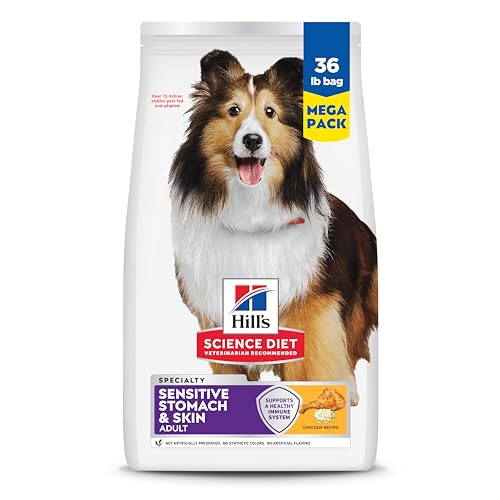
Triple support for stomach, skin and immune system health
Transitioning to Sensitive Stomach Diets

Shifting your Bulldog to a sensitive stomach diet requires patience and careful planning. To change your dog successfully, gradually introduce the new food over 7-10 days by mixing it with their current diet. Monitor your pet closely for adverse reactions and adjust the change speed if necessary. Maintain a consistent feeding schedule to support digestive stability.
When selecting food for sensitive stomachs, opt for high-quality options with easily digestible dog food ingredients and limited protein sources. Consult your veterinarian for personalized guidance, especially if your Bulldog has ongoing digestive issues.
| Change Phase | Old Food | New Food |
|---|---|---|
| Days 1-3 | 75% | 25% |
| Days 4-6 | 50% | 50% |
| Days 7-10 | 25% | 75% |
Monitoring and Adjusting Diet Plans

After shifting your Bulldog to a sensitive stomach diet, ongoing monitoring is essential for success.
Keep a detailed food diary to track your dog’s meals and any digestive problems that occur. This will help you and your veterinarian identify potential allergens or problematic ingredients.
Regularly assess your Bulldog’s condition, looking for signs of digestive upset such as vomiting, diarrhea, or excessive gas.
To effectively monitor and adjust your Bulldog’s diet plan:
- Consult with your veterinarian every few months to review your dog’s health and make necessary dietary adjustments.
- Gradually shift to new foods over 7-10 days to minimize digestive disturbances.
- Reevaluate the diet plan periodically, considering your dog’s age, weight changes, and any emerging health concerns.
Frequently Asked Questions
What Can I Feed My English Bulldog With a Sensitive Stomach?
To address your bulldog’s food allergies, opt for easily digestible proteins and limited ingredient diets. Focus on digestive health tips like probiotics and grain-free options. Maintain a consistent feeding schedule. Always consult your vet for personalized advice.
What Is the Best Thing to Feed a Dog With a Sensitive Stomach?
Carefully choose canine cuisine that caters to your companion’s sensitive stomach symptoms. You’ll want easily digestible proteins, limited ingredients, and probiotics. Watch for food intolerance signs and follow digestive health tips to keep your pup’s tummy happy.
What Is the Best Homemade Dog Food for a Sensitive Stomach?
You can make homemade recipes with easily digestible ingredients like boiled chicken and rice. Try ingredient alternatives such as sweet potatoes or pumpkin. Cooking tips: avoid allergens, add probiotics, and always consult your vet for personalized advice.
What Dog Food Is Easiest on the Stomach?
You’ll find grain-free options and foods with probiotic benefits are easiest on your dog’s stomach. Consider a bland diet of easily digestible proteins like turkey or fish. Wet food can also be gentler due to its higher moisture content.
Conclusion
You’ve now got the tools to manage your Bulldog’s sensitive stomach effectively. Remember, every dog is unique, so you’ll need to monitor and adjust as needed. Notably, studies show that up to 10% of all dog allergies are food-related, highlighting the importance of a carefully tailored diet. By implementing these strategies, you’re taking a significant step towards improving your Bulldog’s digestive health and overall well-being. Stay consistent, patient, and attentive to your dog’s needs for the best results.