As an Amazon Associate, we earn from qualifying purchases. Some links on this site are affiliate links at no extra cost to you. Our recommendations are based on thorough research and editorial judgment.


Why Do Active Bulldogs Need High-Protein Meals?

Active Bulldogs need high-protein meals to meet their unique energy requirements and maintain muscle mass. These dogs require 1,000 to 1,600 calories daily, with 18-30% coming from high-quality protein sources. Animal-based proteins, such as chicken, beef, or fish, provide essential amino acids important for muscle repair and function. A protein-rich diet supports weight management, promotes satiety, and aids in addressing breed-specific health concerns like hip dysplasia. Proper portion control and feeding frequency are vital, with adult Bulldogs typically requiring two meals per day. By understanding the significance of protein in a Bulldog’s diet, you’ll be better equipped to support your pet’s health and well-being.
Key Takeaways
- High-protein meals support muscle repair and maintenance in active Bulldogs.
- Protein promotes satiety, helping manage weight and prevent obesity.
- Essential amino acids from protein are crucial for energy and peak performance.
- Protein-rich diets aid in muscle recovery after physical activity.
- High-quality protein supports overall health and addresses breed-specific health concerns.
Bulldogs’ Unique Energy Requirements
You may be interested



Understanding the energy needs of Bulldogs is vital for their well-being. These stocky, short-snouted companions require a carefully balanced diet to maintain their energy levels and muscle mass. Active Bulldogs typically need between 1,000 and 1,600 calories daily, depending on their activity level. To meet these demands, high-protein dog food is essential.
Adult Bulldogs require a minimum of 18% protein in their diet, while puppies need at least 22%. This protein-rich nutrition supports their moderately active lifestyle and helps prevent obesity. A balanced diet with adequate protein guarantees your Bulldog stays energetic and healthy throughout its life.
When selecting food for your Bulldog, consider energy-dense meals that are rich in protein. This will fuel their unique energy requirements, aid in muscle recovery after exercise, and maintain peak performance levels.
Recommended Products

Vegetarian dog food formula contains a single hydrolyzed protein source

High-Protein Puppy Growth Formula: Bully Max 24/14 dry dog food with lamb and rice is designed to meet the energy needs of all puppy breeds, promoting strong growth with 419 calories per cup.

PUPPY MILK REPLACEMENT - The next best to Mother’s milk, Goat’s Milk Esbilac is made with whole goat milk protein for puppies with sensitive digestive systems. It provides all the nutritional elements necessary for puppies, newborn to six weeks old.
Protein’s Role in Muscle Maintenance
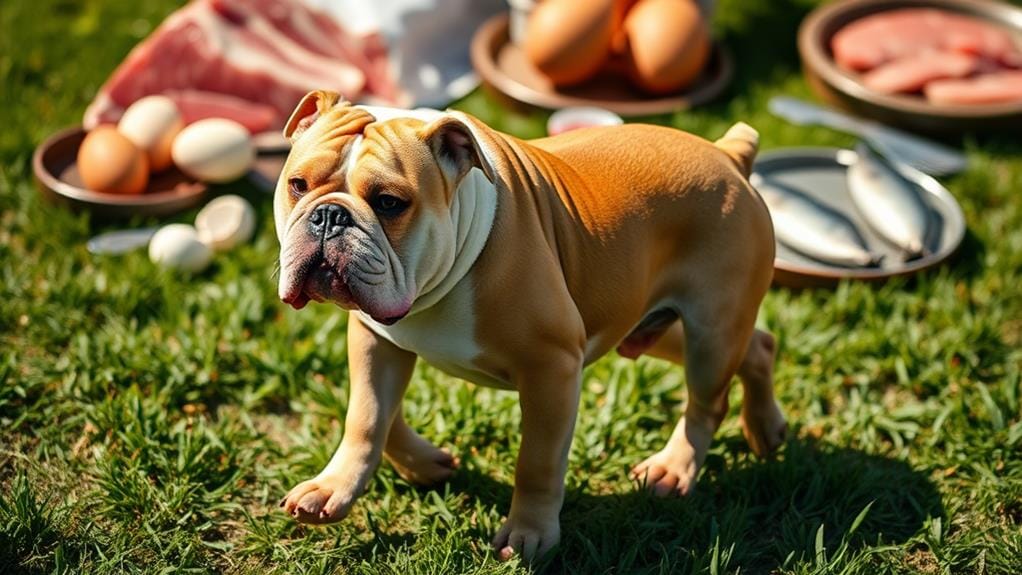
Muscle maintenance in Bulldogs hinges on protein-rich nutrition. Your active bulldog’s diet should contain 18% to 30% high-quality protein to support muscle repair and function. This guarantees your furry companion has the necessary amino acids for peak performance and recovery after exercise.
To meet your bulldog’s protein needs, focus on incorporating animal-based proteins like chicken, beef, and fish into their meals. These sources are more bioavailable, providing essential amino acids that help maintain lean muscle mass. Remember, regular intake of adequate protein is essential for preventing muscle loss and supporting overall health in your active bulldog.
While monitoring protein intake is important to avoid potential health issues, a balanced, high-protein diet is beneficial for sustaining muscle health in active breeds. By prioritizing protein-rich nutrition, you’re helping your bulldog maintain their strength and energy.
Weight Management Through High-Protein Diets

High-protein meals play a vital role in managing your Bulldog’s weight by promoting satiety and reducing the need for excessive carbohydrates. This approach helps your dog feel fuller for longer periods, potentially decreasing overall calorie intake while maintaining lean muscle mass. By preserving muscle tissue during weight management efforts, you’re supporting your Bulldog’s metabolic health and energy levels, which are essential for their overall well-being and activity.
Recommended Products

OPTIMAL MUSCLE & WEIGHT GAIN: Bully Max 30/20 High Protein Beef Dry Dog Food delivers 30% protein, 20% fat, and 530 calories per cup to support muscle growth, healthy weight gain, and lasting energy. Ideal for active, working, and underweight dogs, its calorie-dense formula helps reduce serving sizes while powering performance for small and large breed dogs.

Nutro Natural Choice Large Breed Dry Dog Food, Adult Dog Food Chicken and Brown Rice Recipe, 36 lbs.
Made With Real Chicken: This Nutro large breed adult dog food recipe is made with real chicken as the #1 ingredient in this protein-rich dry recipe

Supports a Strong Immune System: Our powerful blend of Turkey Tail mushrooms and Beta-Glucan helps promote everyday wellness and immune defense for dogs of all breeds.
Protein’s Role in Satiety
When it comes to managing your Bulldog’s weight, protein plays a crucial role in promoting satiety. High-protein dog food helps your active Bulldog feel fuller for longer periods, reducing the likelihood of overeating. The protein content in these meals takes longer to digest compared to carbohydrates, leading to prolonged energy release and decreased hunger pangs between feedings.
| Protein Benefits | Impact on Bulldogs |
|---|---|
| Increased satiety | Reduced overeating |
| Slower digestion | Prolonged energy |
| Hormone regulation | Enhanced fullness |
| Muscle maintenance | Prevents muscle loss |
| Nutrient density | Efficient calorie intake |
To meet your Bulldog’s nutritional requirements, feed your Bulldog high-protein meals that support muscle maintenance and energy levels. This approach helps prevent weight gain while ensuring active Bulldogs receive essential nutrients without excessive calories from carbohydrates and fillers.
Muscle Mass Preservation
For Bulldogs, maintaining muscle mass is vital during weight management efforts. A high-protein diet plays an important role in muscle mass preservation, supporting your Bulldog’s activity levels and overall health. When you provide your furry companion with high-quality protein sources, you’re ensuring they have the building blocks necessary for muscle repair and growth.
Consider these benefits of a high-protein diet for your Bulldog:
- Preserves lean muscle tissue during weight loss
- Supports efficient calorie utilization
- Enhances muscle retention and strength
- Promotes ideal body composition
- Aids in recovery after physical activity
Optimal Protein Sources for Bulldogs
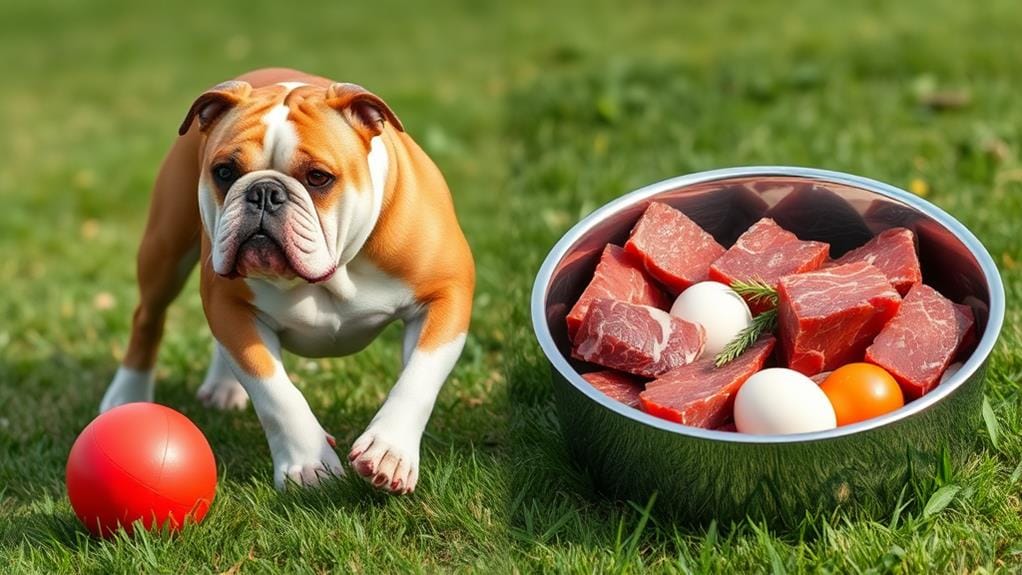
When selecting protein sources for your Bulldog, it’s crucial to understand the difference between animal and plant-based proteins. Animal proteins, such as those found in chicken, beef, lamb, and fish, are generally more bioavailable and contain a complete amino acid profile that Bulldogs require for ideal health. You’ll want to look for high-quality protein indicators on pet food labels, including specific meat sources listed as the first ingredient and a minimum protein content of 18% for adult Bulldogs or 22% for puppies.
Recommended Products

Hill's Prescription Diet z/d Hydrolyzed Dry Dog Food is specially formulated by Hill’s nutritionists and veterinarians to manage dogs' food sensitivities.

96% Beef and Organs for Nutrient-Rich Protein: Made with beef tripe, lung, liver, and heart to provide high-quality protein, ethically sourced to support lean muscle, vitality, and overall health.
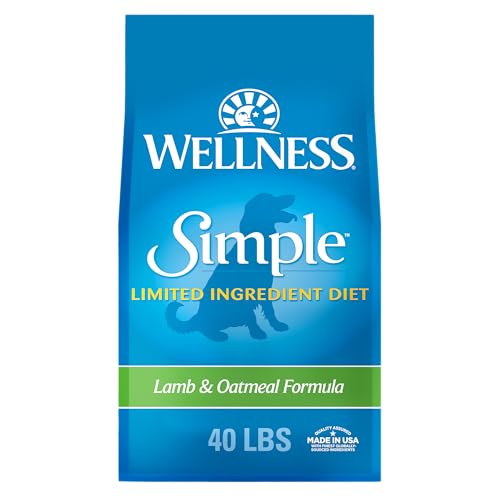
LIMITED INGREDIENT ADULT DOG FOOD: All natural, limited ingredient chicken free recipe crafted with a single source of protein from lamb, and expertly balanced with easily digestible carbohydrates from oatmeal, without any extra fillers.
Animal vs. Plant Proteins
While both animal and plant proteins can contribute to a Bulldog’s diet, animal-based proteins reign supreme as the ideal source for these lovable canines. Animal proteins offer superior bioavailability, providing essential amino acids fundamental for your Bulldog’s muscle repair and growth. High-quality protein sources from animals should be the foundation of your Bulldog’s meals, meeting their dietary needs of 22% protein as puppies and 18% as adults.
When selecting food for your Bulldog, look for:
- Named meat sources as the first ingredient
- A variety of animal protein sources
- Minimal plant-based proteins
- Protein content meeting or exceeding minimum requirements
- High-quality ingredients overall
Plant proteins, while offering some nutritional value, often lack the complete amino acid profile found in animal sources. To guarantee ideal health and wellness for your Bulldog, prioritize animal-based proteins in their diet.
Quality Protein Indicators
Your Bulldog’s health and significance depend largely on the quality of protein in their diet. When selecting high-protein meals for active Bulldogs, focus on complete and balanced options with named meat sources. Look for crude protein levels of at least 18% for adults and 22% for puppies, prioritizing animal-based proteins for maximum digestibility.
| Protein Source | Quality Indicator |
|---|---|
| Chicken | High digestibility |
| Beef | Essential amino acids |
| Fish | Omega-3 fatty acids |
| Plant-based | Lower digestibility |
Avoid low-quality fillers like corn gluten meal, which can stress your Bulldog’s kidneys. Instead, choose foods with real meat as the primary ingredient. Remember, protein quality is just as essential as quantity for your active Bulldog. By selecting high-quality protein sources, you’re ensuring your furry companion receives the necessary nutrients for muscle repair, energy, and overall health.
Balancing Nutrients for Active Lifestyles
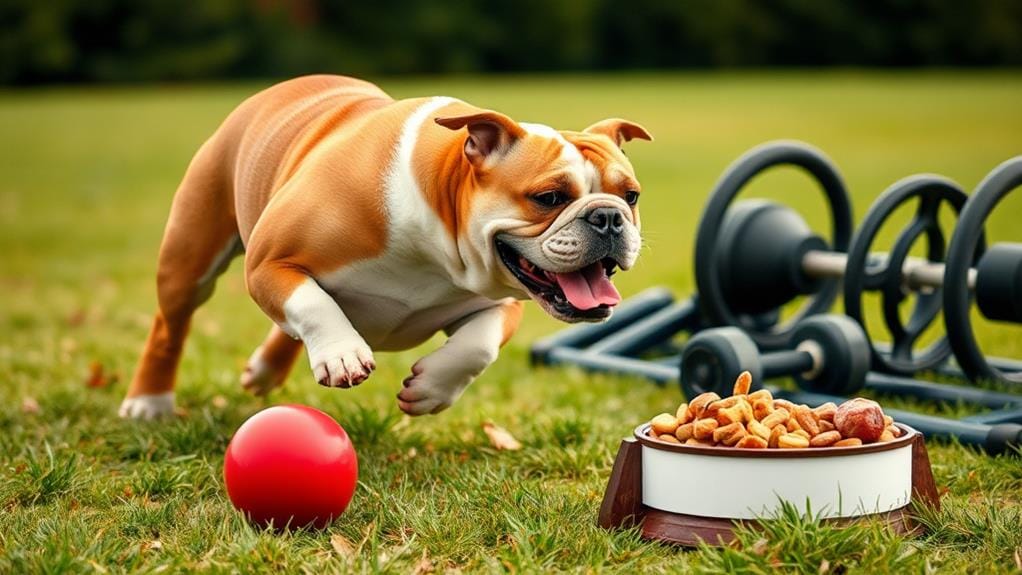
Active Bulldogs thrive on a carefully balanced diet that meets their unique nutritional needs. A high-protein, balanced diet is vital for these energetic companions, providing the necessary fuel for their active lifestyles. Essential amino acids from quality animal proteins support muscle growth and recovery, while a mix of healthy fats and carbohydrates guarantees sustained energy throughout the day.
To create a well-rounded meal plan for your active Bulldog, consider incorporating:
- Lean meats (chicken, turkey, fish)
- Whole grains (brown rice, quinoa)
- Colorful vegetables (sweet potatoes, carrots)
- Nutrient-dense fruits (blueberries, apples)
- Healthy fats (fish oil, flaxseed)
Monitoring calorie intake is important, as active Bulldogs may require between 1,000 to 1,600 calories daily. This balanced approach guarantees they receive adequate vitamins and minerals while maintaining peak energy levels for their active pursuits.
Addressing Breed-Specific Health Concerns
Bulldogs face unique health challenges that require careful dietary consideration. High-protein diets are essential in addressing these breed-specific health concerns. For active Bulldogs, protein food is fundamental for maintaining muscle mass and supporting joint stability, which can help mitigate issues like hip dysplasia. By promoting satiety and reducing carbohydrate intake, these diets also aid in weight management, a significant factor for Bulldogs prone to obesity. The protein content should range from 18-22%, depending on your Bulldog’s activity levels. Quality protein sources are important, as they provide bioavailable nutrients for tissue repair and immune function. Given their slower metabolism, a nutrient-dense, high-protein diet helps Bulldogs efficiently utilize energy without excessive fat accumulation. This approach addresses their unique health concerns while supporting overall well-being and mobility.
Recommended Products

High-Protein, Growth-Focused Formula: Bully Max 24/14 Puppy Dry Food with lamb and rice offers a protein-rich meal with 419 calories per cup, supporting puppies’ energy and growth needs.
Portion Control and Feeding Frequency
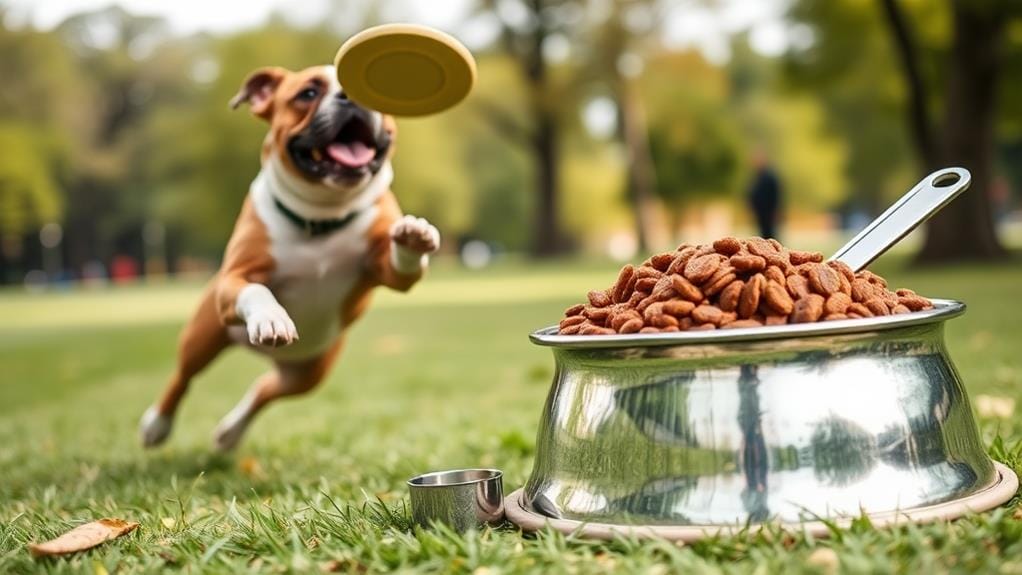
How much and how often should you feed your Bulldog? Proper portion control and feeding frequency are vital for your furry companion’s health. Adult Bulldogs typically require 1,200 to 1,600 calories daily, depending on their activity level. Feeding twice a day is generally recommended for adult dogs, while puppies may need three to four meals to support growth.
To guarantee your Bulldog maintains a healthy weight and receives a well-balanced diet, consider:
- Using a calorie measuring cup for accurate portions
- Monitoring your dog’s weight regularly
- Adjusting meal sizes based on activity level
- Maintaining consistent feeding schedules
- Consulting with your veterinarian for personalized advice
Transitioning to Protein-Rich Meals
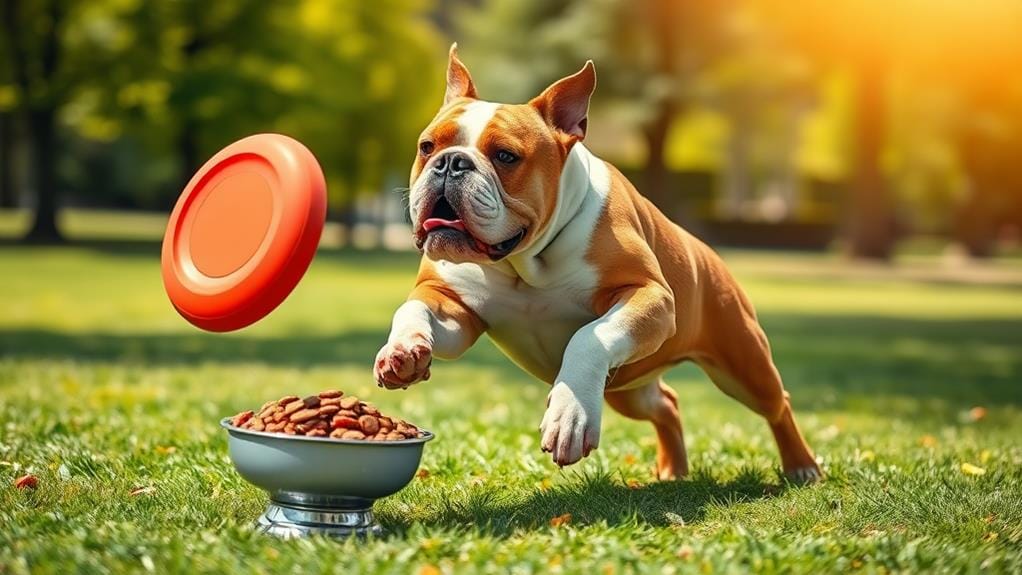
With proper portion control established, it’s time to focus on boosting your Bulldog’s protein intake. Shifting to protein-rich meals requires a gradual approach over 7 to 10 days to prevent gastrointestinal issues. Active Bulldogs need a high-protein diet containing 25-30% protein to support their energy needs and muscle development.
When introducing a new diet:
- Choose quality animal-based protein sources like chicken, beef, or fish.
- Gradually increase the proportion of new food while decreasing the old.
- Monitor your Bulldog’s weight and adjust portion sizes accordingly.
- Consult with a veterinarian for tailored dietary recommendations.
Frequently Asked Questions
Do English Bulldogs Need High-Protein Food?
Yes, your English Bulldog needs high-protein food to meet their dietary needs. It’s essential for muscle development and maintaining energy levels. Consult your vet about proper protein sources and feeding schedules to address any health concerns.
Do Active Dogs Need High-Protein Food?
You’ll find active dogs thrive on high-protein food. It boosts muscle development, elevates energy levels, and maintains nutritional balance. For your active bulldog’s diet, choose quality protein sources and adjust feeding frequency to support their dynamic lifestyle.
Why Would My Dog Need High-Protein Food?
Your furry friend may need high-protein food to support their overall dog health. It’s essential for muscle growth, maintaining energy levels, and ensuring a proper dietary balance. Consider quality protein sources and follow feeding guidelines for your pup’s specific needs.
Why Do Working Dogs Need More Protein?
While you lounge, your working dog’s muscles strain. They need more protein for energy and recovery. High-quality sources fuel their intense activity levels, supporting muscle growth and overall health. It’s vital for meeting their unique dietary needs.