As an Amazon Associate, we earn from qualifying purchases. Some links on this site are affiliate links at no extra cost to you. Our recommendations are based on thorough research and editorial judgment.


Bulldog-Friendly Recipes: Healthy Homemade Weight Control Meals

To create healthy homemade weight control meals for your Bulldog, focus on balanced nutrition with lean proteins, fiber-rich vegetables, and controlled portions. Opt for low-calorie protein sources like skinless chicken breast, ground turkey, or fish. Incorporate nutrient-dense vegetables such as broccoli, green beans, and carrots. Measure portions carefully, aiming for 900-1,200 calories daily depending on your dog's size and activity level. Include healthy fats in moderation, like fish oil or flaxseed oil, for coat health. Prepare meals in advance and store them properly for convenience. Gradually shift to homemade meals and monitor your Bulldog's weight and energy levels regularly. The following sections offer deeper insights into crafting ideal meals for your canine companion.
Key Takeaways
- Combine lean proteins like skinless chicken breast or white fish with fiber-rich vegetables for balanced, low-calorie meals.
- Incorporate nutrient-dense greens such as broccoli, kale, and green beans to promote satiety and digestive health.
- Use healthy fats like fish oil or sunflower oil in moderation to support skin health and control weight.
- Practice portion control by filling half the bowl with vegetables and measuring servings based on the Bulldog's weight.
- Prepare meals in advance and store properly to ensure consistent nutrition and easy weight management.
Understanding Bulldog Nutritional Needs
You may be interested
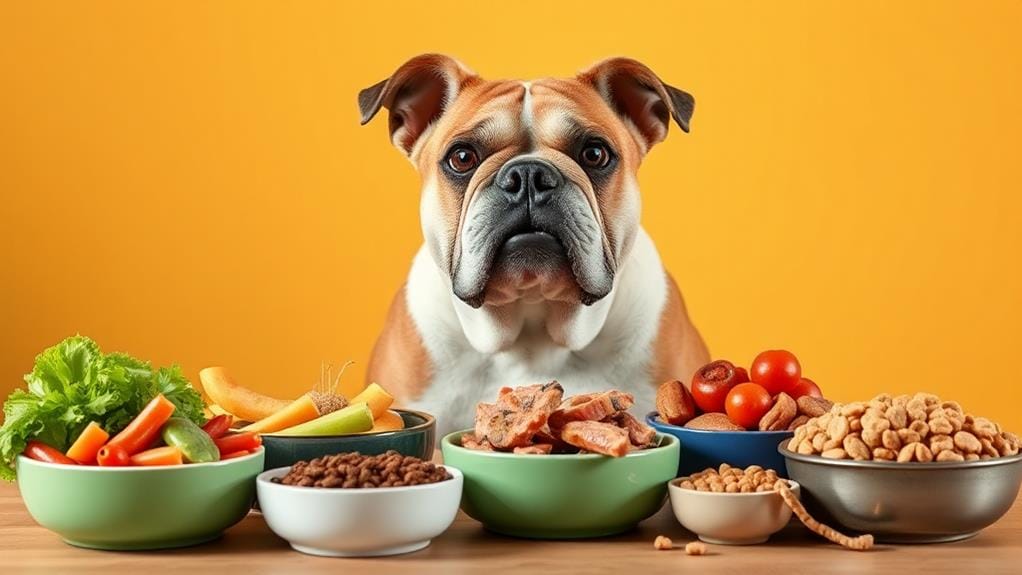


While bulldogs may seem like easygoing couch potatoes, they've got specific nutritional needs that require careful attention. When preparing healthy homemade dog food for your bulldog, it's vital to understand their unique dietary requirements. Bulldogs thrive on a balanced diet rich in high-quality protein, healthy fats, and carbohydrates to maintain their muscular build and energy levels. However, portion control is essential due to their predisposition to obesity.
To keep your bulldog at a healthy weight, aim for a daily caloric intake of 900 to 1,200 calories, depending on age, weight, and activity level. Incorporate fiber-rich vegetables like carrots and green beans to aid digestion. Essential fatty acids, particularly omega-3 and omega-6, are vital for maintaining skin and coat health. Consult with your veterinarian to develop a tailored diet plan that addresses your bulldog's specific nutritional needs and health conditions.
Low-Calorie Protein Sources
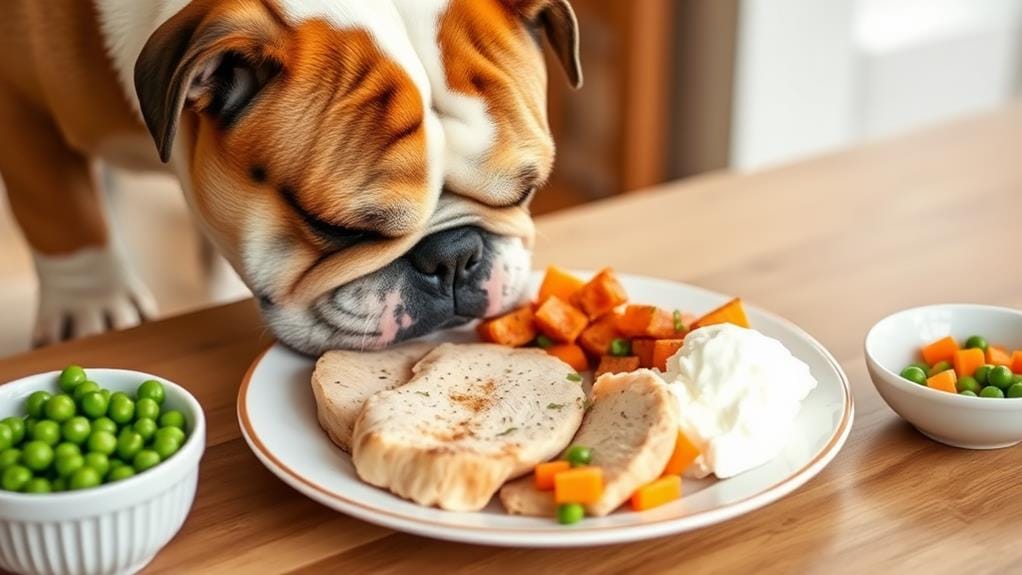
Five key low-calorie protein sources can keep your bulldog's diet lean and nutritious. When preparing homemade dog food, focus on lean meats like skinless chicken breast and ground turkey. These options provide essential protein without excess fat. Fish, such as cod and whitefish, offer omega fatty acids for skin and coat health while being lower in calories than red meats. For a versatile protein source, consider eggs, which deliver high-quality protein and essential amino acids at only 70 calories each. Incorporate plant-based proteins like lentils or chickpeas to add fiber and reduce overall fat content.
| Protein Source | Benefits | Calories |
|---|---|---|
| Lean Chicken | Essential protein | Low |
| Ground Turkey | Low-fat option | Moderate |
| Fish | Omega fatty acids | Low |
Recommended Products

One (1) 28 Pound Bag: Avoderm Natural Weight Support Chicken Meal & Brown Rice Dry Dog Food

Balanced Nutrition Across All Life Stages – This comprehensive bundle includes Bully Max 25/11 High Protein Dry Food, Bully Max 26/12 High Protein Wet Food, and Bully Max Power Tabs. Together, they offer balanced calories, essential proteins, and daily multivitamin support for puppies, adults, and seniors across all breeds and sizes.
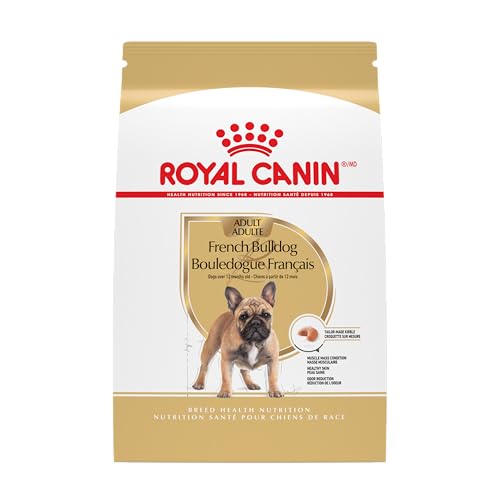
BREED HEALTH NUTRITION DOG FOOD: Royal Canin Breed Health Nutrition French Bulldog Adult Dog Food Dry Formula for purebred French Bulldogs 12 months and older
Vegetable Options for Bulldogs
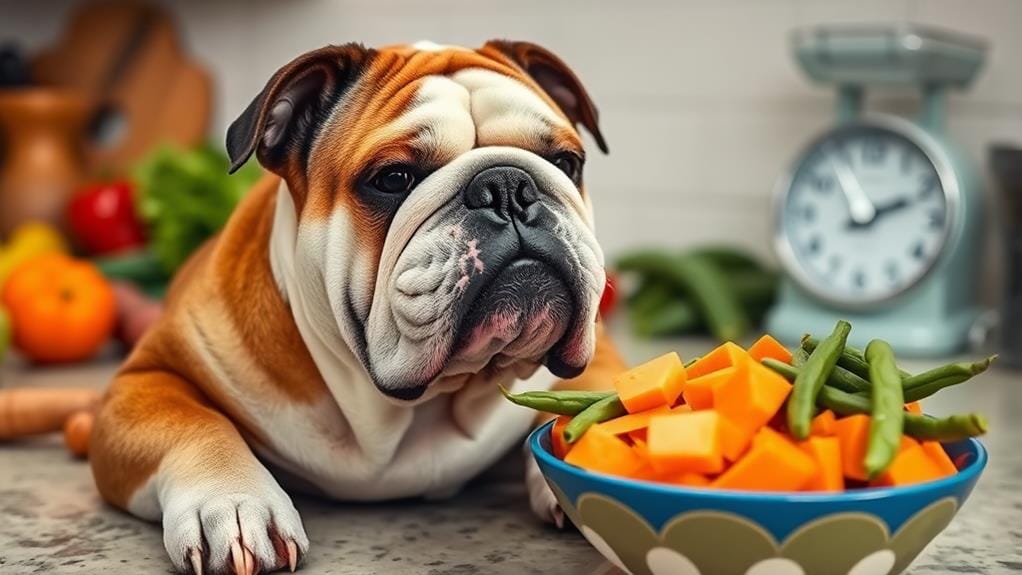
When selecting vegetables for your Bulldog's diet, you'll want to focus on safe, nutrient-rich options that support their health and weight management goals. Consider incorporating leafy greens like spinach, which offer iron and antioxidants, alongside fiber-rich choices such as green beans and broccoli. To guarantee proper nutrition without overfeeding, consult with your veterinarian about appropriate portion sizes and preparation methods for each vegetable you introduce to your Bulldog's meals.
Recommended Products

VALUE PACK - Stock up on the food your dog loves, save on every bag, and enjoy the convenience of consistent, premium nutrition. Our best-selling 1 pound bag of Nutra Complete Dog Food now comes in a pack of four!

REAL CHICKEN FIRST: This grain-free dog food for senior dogs is made with real, high-quality chicken as the #1 ingredient

Weight control dog food made with high-quality protein sources, including real turkey as the number 1 ingredient, to promote strong muscles including a healthy heart
Safe Veggie Choices
Nutrition plays an essential role in keeping your bulldog healthy and happy. When considering safe veggie choices for your furry friend's weight loss and healthy digestion, opt for low-calorie options that provide essential nutrients. Incorporate these vegetables into your bulldog's diet:
| Vegetable | Benefits | Serving Suggestion |
|---|---|---|
| Carrots | High fiber, promotes digestion | Raw or steamed, sliced small |
| Green beans | Low-calorie, vitamin-rich | Steamed, cut into bite-sized |
| Sweet potatoes | Healthy carbs, fiber-rich | Cooked, mashed or cubed |
Spinach offers anti-inflammatory benefits and iron, while cucumbers provide hydration and crunch. These vegetables support weight management and overall health. Remember to introduce new foods gradually and in moderation. Consult your veterinarian for personalized advice on portion sizes and frequency of vegetable treats for your bulldog's specific needs.
Nutrient-Rich Greens
Building on our veggie options, let's explore nutrient-rich greens that can supercharge your bulldog's diet. Incorporating greens into homemade dog food is an excellent way to support weight control while providing essential nutrients. Consider these options:
- Broccoli: High in fiber and vitamin C, promoting digestive health and immune function
- Kale: Rich in antioxidants and calcium, supporting bone strength
- Green beans: Low-calorie, high-fiber option for satiety
When preparing these greens for your bulldog's meals:
- Chop into small, digestible pieces
- Cook lightly to enhance nutrient absorption
- Mix with other ingredients for balanced nutrition
These nutrient-rich greens offer a variety of benefits, from weight management to overall health support. By incorporating them into your bulldog's homemade meals, you're providing a foundation for superior nutrition and wellbeing.
Portion Control Tips
As we explore portion control tips for vegetable options, it's important to understand how to balance your bulldog's meals effectively. To manage your bulldog's weight, incorporate low-calorie vegetables like green beans, carrots, and broccoli. These filling options help control calorie intake without sacrificing volume.
Key portion control tips:
- Fill half of your bulldog's bowl with vegetables
- Steam or cook vegetables for easier digestion
- Introduce new vegetables gradually to monitor for allergies
- Aim for 10-20% of daily caloric intake from vegetables
- Adjust portions based on your bulldog's weight and activity level
Remember to provide a variety of colorful vegetables for balanced nutrition. By following these guidelines, you'll help your bulldog maintain a healthy weight while ensuring they receive essential nutrients. Always consult with your veterinarian for personalized advice on your bulldog's dietary needs.
Healthy Fats for Weight Control
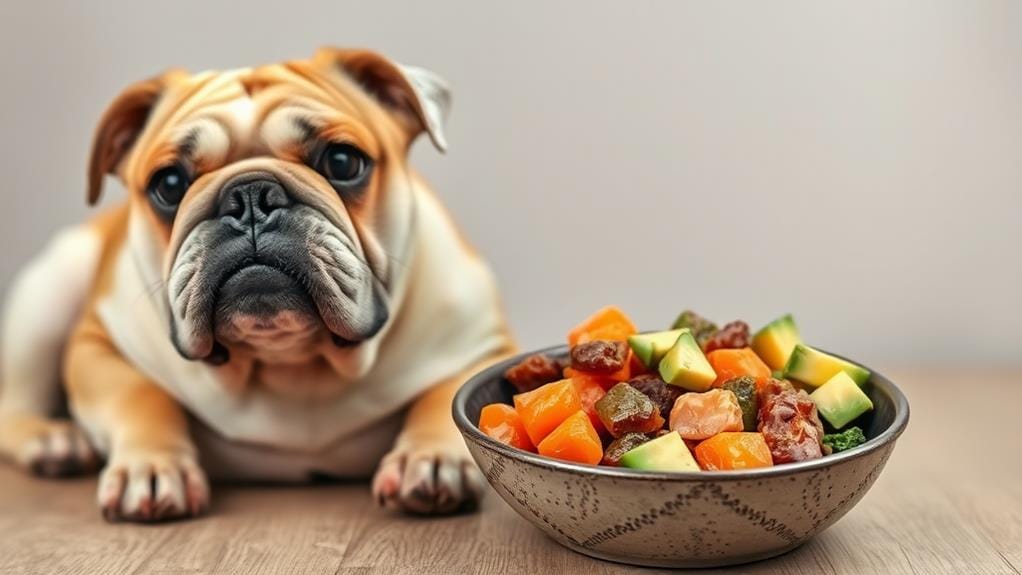
Bulldogs, with their adorable wrinkles and stocky builds, can be prone to weight gain. Incorporating healthy fats into your pup's diet is essential for weight management and overall health. Omega-3 fatty acids, found in fish oil and flaxseed oil, support skin and coat health while aiding in weight control. When preparing homemade dog food, consider adding sunflower oil for beneficial fatty acids without excessive calories.
To effectively use healthy fats for weight management:
- Measure portions carefully, as fats are calorie-dense
- Include moderate amounts to promote satiety and reduce overeating
- Monitor your bulldog's intake and adjust as needed
Consult your veterinarian to determine the appropriate type and quantity of healthy fats for your bulldog's specific needs. By incorporating these fats judiciously, you'll help maintain your furry friend's ideal weight while supporting their overall well-being.
Recommended Products

Cat/Dog Skin and Coat Supplement: Relieve your pet from rashes, itchy skin & hot spots with Ultra Oil’s hemp & liquid fish oil for pets. Simply pump into their meal(s) for healthy skin & fur that shimmers!
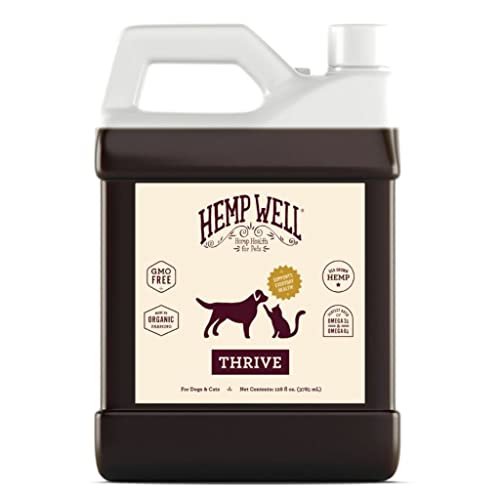
Hemp Well Thrive Pet Oil is an everyday supplement for overall pet health, including joint support and heart health. Hemp is a better option than salmon oil for dogs and cats.

Contains one (1) 30 lb. bag of CRAVE Grain Free Adult Dry Dog Food with Protein from White Fish and Salmon—for any size dog
Portion Control Strategies
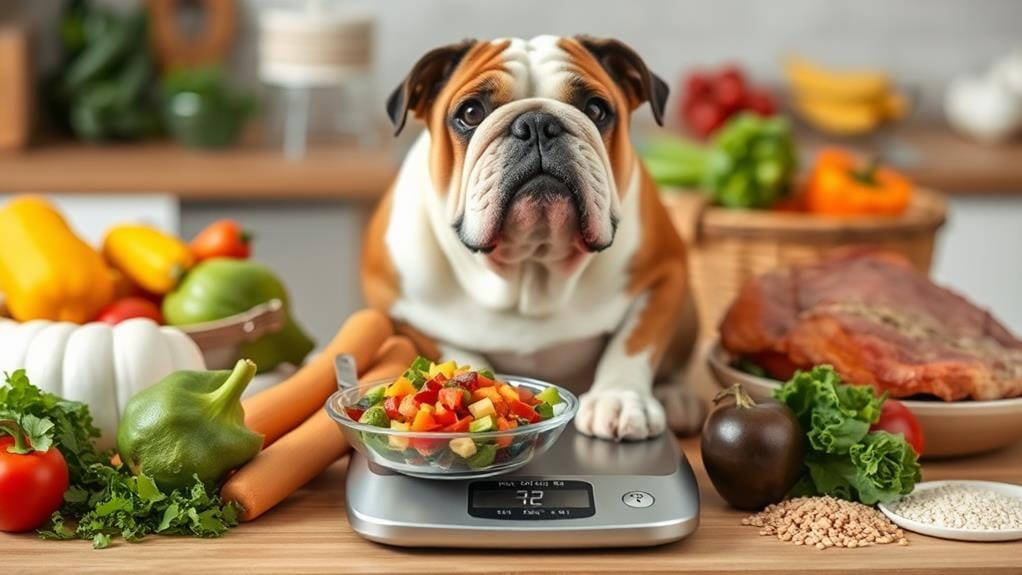
Three key strategies can help you maintain proper portion control for your Bulldog's homemade meals. First, calculate serving sizes based on your dog's weight, using the guideline of 1 cup per 15 lbs. Second, incorporate a dedicated measuring cup for dog food to guarantee consistent portions. Third, consider using a food scale for precise calorie counting, especially important when preparing homemade dog food.
To fine-tune your portion control strategy:
- Monitor your Bulldog's weight every 2-3 weeks
- Divide daily food intake into two meals
- Adjust portions as needed for weight management
These techniques are essential for maintaining your Bulldog's health, particularly if they have food allergies. By carefully controlling portions, you'll make sure your furry companion receives the right amount of nutrients without overfeeding, promoting ideal weight and overall well-being.
Recommended Products

Save Space, Keep Your Home Neat and Clean: Two tiers stackable dog crate (37"L x 22.5"W x 55.5"H), Each stackable dog crate measures 36.61"L x 22.44" Wx 55.5"H (Interior Height: 22.5 inches), making your house cleaner and more organized—A rare design in the market that ideal for multi-pet households, breeders, kennels, multi-pet households, pet hospitals, and groomers. The screw-fixed design ensures stability and safety when stacking, maximizing vertical space while maintaining comfort for your dogs

【41" TALL GATE】The tall baby gate is 41 inches high for added security and effectively prevents pet cats from jumping, suitable for stairs, doorways and hallways. Suitable for stairs, doorways, hallways.The included 3 extensions allow for a customizable width between 30.5"-55".Please measure your openings before purchase this extra tall dog gate

Ultimate Mess-Proof Feeding Solution: By combining our mess-proof pet feeder, the Neater Feeder with our protective silicone mat, the Neater Mat, you're ensuring that your floors will be protected from any food or water spills.
Meal Prep and Storage Tips
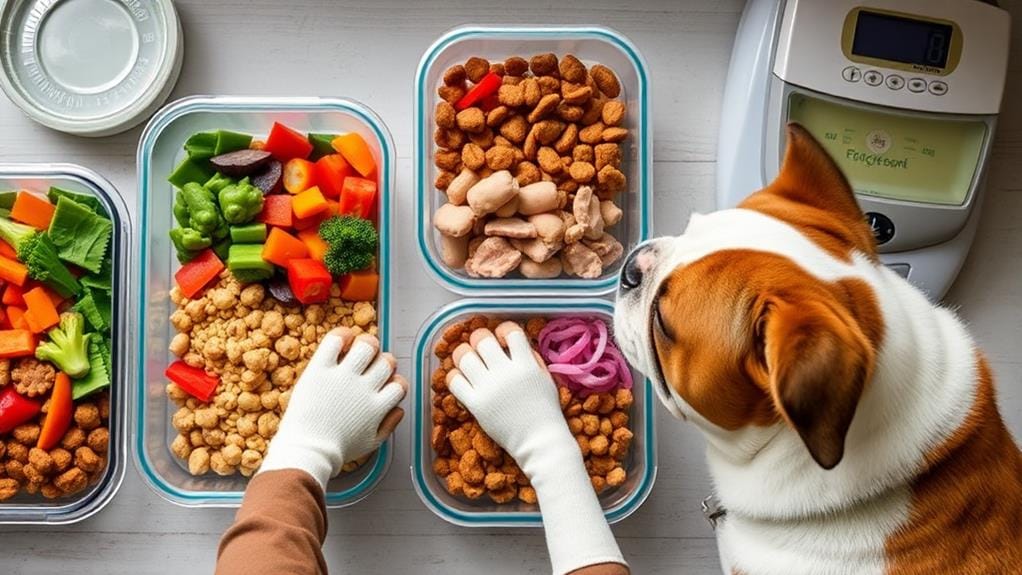
Preparing meals in advance for your Bulldog can save you time and guarantee your furry friend always has nutritious food on hand. When engaging in meal prep for your homemade dog food, store it in airtight containers in the refrigerator for up to 3 days to maintain freshness. For longer-term storage, freeze portion-sized servings for up to 3 months. This approach allows for easy meal access and reduces waste.
Labeling containers with preparation dates is essential for tracking food freshness and ensuring your Bulldog consumes safe meals. When serving frozen meals, thaw them in the refrigerator overnight and heat to just below body temperature to prevent burns. Regular weight monitoring every 2-3 weeks will help you adjust portion sizes based on your Bulldog's dietary needs and activity levels.
Recommended Products

AIRTIGHT SEAL, LOCKED TIGHT: Clamp the lid shut and a silicone gasket forms an airtight seal — keeping pet food fresh and curious paws out.

40 lbs Large Capacity: Stores up to 40 lbs of dry pet food (dog, cat, bird seed) and bulk grains, reducing constant refills and clutter. Ideal for multi-pet households, farms, or storage for large food batches in pantries, garages, or courtyards

Elevate Storage With Style: Say goodbye to unattractive plastic bins with this durable, large-sized pet food storage solution. Perfect for any space, from the laundry room to your pet's feeding area, it blends functionality with a chic design that complements your home.
Transitioning to Homemade Meals
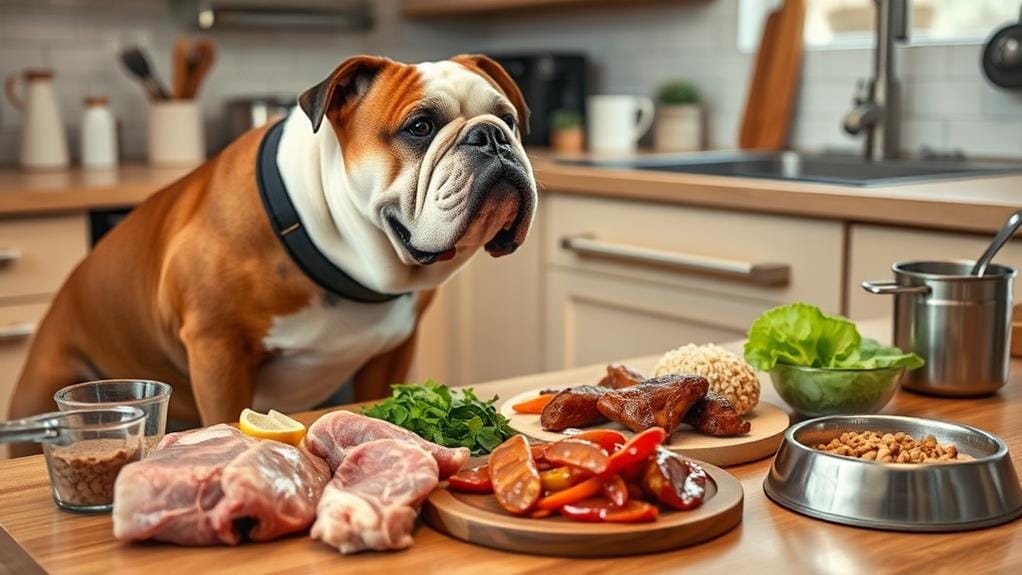
When switching your Bulldog to homemade meals, it is vital to introduce the new diet gradually. Begin by mixing small portions of the homemade food with your dog's current diet, gradually increasing the ratio over time. This approach helps prevent digestive upset and allows your furry friend to adjust comfortably.
As you're moving to homemade meals, monitor your Bulldog's response closely. Pay attention to their energy levels, coat condition, and overall health. Consult with a veterinarian to create a balanced recipe that meets your Bulldog's specific nutritional needs and calorie requirements. Regular vet check-ups are important during this adjustment period to assess your dog's health and make necessary adjustments to their diet.
Track your Bulldog's weight every 2-3 weeks to confirm they're losing weight at a healthy rate. By carefully managing this change, you'll set your Bulldog up for success with their new, nutritious homemade meals.
Monitoring Progress and Adjustments
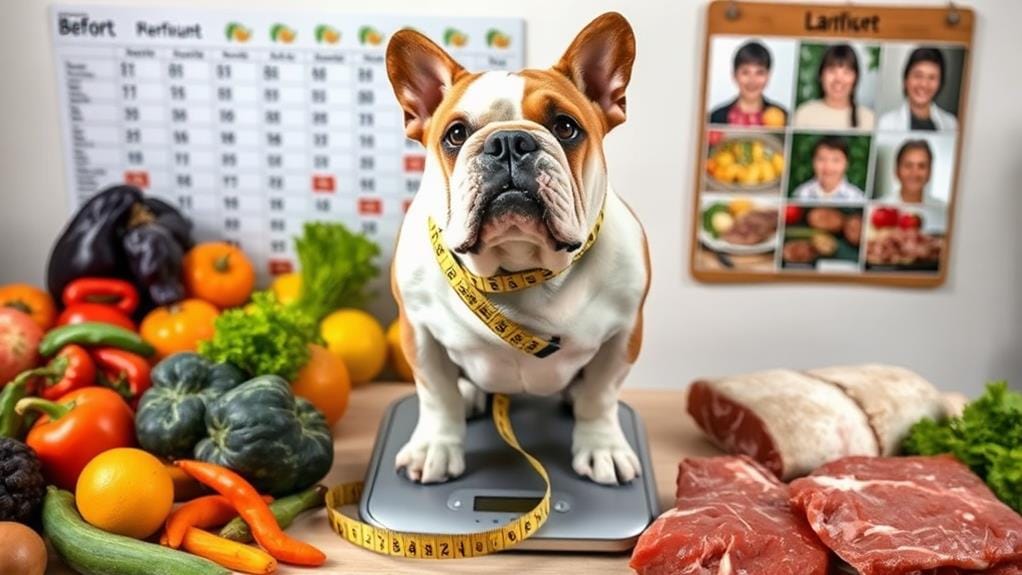
Once you've shifted your bulldog to homemade meals, it's essential to monitor their progress and make necessary adjustments. Regular weigh-ins every 2-3 weeks will help you assess the effectiveness of the diet, allowing you to adjust portion sizes accordingly. Additionally, tracking your dog's energy levels and overall health will provide valuable insights into how well they're responding to the new meal plan, enabling you to fine-tune their diet for ideal weight management.
Regular Weigh-Ins
In light of your bulldog's weight loss journey, regular weigh-ins are essential for tracking progress and making necessary adjustments. As a dedicated dog owner, you should conduct weigh-ins every 2-3 weeks to guarantee your furry friend is on the right path. These regular check-ins allow you to:
- Monitor weight loss trends
- Adjust portion sizes of homemade meals
- Evaluate the effectiveness of your current diet plan
Remember to keep a detailed log of your bulldog's weight, noting any changes in eating habits or energy levels. This information will prove invaluable when consulting with your veterinarian or making dietary modifications. Additionally, assess your dog's body condition score (BCS) alongside weight measurements to gain a thorough understanding of their overall health. If weight loss stalls or occurs too rapidly, don't hesitate to seek professional guidance to refine your bulldog's meal plan.
Adjusting Portion Sizes
Adjusting portion sizes goes hand in hand with regular weigh-ins for your bulldog's weight management journey. Monitor your bulldog's weight every 2-3 weeks to assess the effectiveness of the homemade diet and make necessary adjustments. A general guideline is to feed approximately 1 cup of food per 15 lbs of body weight, but individual needs may vary based on activity level and metabolism.
To guarantee proper nutrition and weight control:
- Track your dog's energy levels and coat condition
- Adjust portion sizes gradually to avoid digestive upset
- Introduce changes over several days if needed
Tracking Energy Levels
Tracking your bulldog's energy levels is an essential component of monitoring their progress on a homemade weight control diet. Observe your furry friend's behavior after meals, noting any changes in their activity levels. An increase in energy may indicate that they're receiving adequate nutrition from their homemade dog food, while lethargy could suggest a need for dietary adjustments.
Keep a detailed journal to record your bulldog's weight and energy levels every 2-3 weeks. This practice will help you identify patterns and inform future meal modifications. Consult with your veterinarian regularly to evaluate your dog's overall health and determine if any changes in their weight or energy levels warrant adjustments to their diet. Remember to modify portion sizes based on your bulldog's activity level, ensuring they receive the appropriate amount of nutrients to maintain ideal energy without risking weight gain.
Frequently Asked Questions
Will Homemade Dog Food Help My Dog Lose Weight?
Great Caesar's ghost! You'll find homemade dog food can absolutely help your pup shed pounds. With weight loss benefits like portion control and nutritional balance, you're taking a loving step towards avoiding obesity. It's a tail-wagging solution!
What Homemade Food Can Dogs Eat Every Day?
You can feed your furry friend nutritious ingredients daily like lean meats, veggies, and whole grains. Mix up meal options, use safe seasonings, and practice portion control. It's a loving way to nourish your pup every day.
What Can I Cook My Dog to Lose Weight?
You can cook lean proteins and veggies for your pup to shed pounds. Focus on portion control and balanced nutrition. Offer healthy treats and low-calorie snacks sparingly. Remember, your furry friend's weight loss journey is a team effort!
What Ingredients Are Good for Homemade Dog Food?
Imagine your pup's bowl as a colorful canvas. You'll want to paint it with nutrient-balanced ingredients: lean protein sources, veggie options like carrots or pumpkin, and safe spices. It's a labor of love for your furry friend.