As an Amazon Associate, we earn from qualifying purchases. Some links on this site are affiliate links at no extra cost to you. Our recommendations are based on thorough research and editorial judgment.


Essential Bulldog Puppy Nutrition: A Complete Feeding Guide

Bulldog puppy nutrition requires careful attention to guarantee ideal growth and health. Your puppy needs a diet rich in high-quality protein (22%), essential fats (8%), and balanced carbohydrates with adequate fiber (6%). Vital vitamins and minerals, especially calcium (1%) and phosphorus (1.2%), support bone development. Feed your puppy 25-30 kcal per pound daily, divided into three meals until 8 weeks old. Maintain proper hydration by providing fresh water consistently. As your puppy grows, gradually shift to adult food around 12 months, adjusting protein and fat content. Regular vet check-ups are important to monitor nutritional needs and prevent obesity. Understanding the nuances of each nutritional component will help you tailor your puppy's diet effectively.
Key Takeaways
- Bulldog puppies require a diet with 22% protein, 8% fat, and 6% fiber for optimal growth and development.
- Feed puppies 1 to 1.5 cups of high-quality food daily, divided into three meals until 8 weeks old.
- Transition from mother's milk to puppy food around 3-4 weeks, introducing solid food by 6 weeks.
- Ensure proper hydration with 1 ounce of water per pound of body weight daily.
- Begin transitioning to adult food at 12 months, gradually adjusting protein and fat content over 7-10 days.
Understanding Bulldog Puppy Nutritional Needs
You may be interested



From the moment you bring your Bulldog puppy home, understanding their nutritional needs is essential. Bulldog puppies require a diet rich in calories and essential nutrients to support their rapid growth and development. A balanced diet for these adorable companions should include:
- Minimum 22% protein
- 8% fat
- 6% fiber
- 1% calcium
- 1.2% phosphorus
Additionally, vitamins and omega-3 fatty acids are fundamental for overall health. Your puppy's daily intake should be approximately 25-30 kcal per cup, divided into three meals until 8 weeks of age. As they grow, you'll need to adjust their feeding schedule and portion sizes. Regular veterinary check-ups are critical to monitor your puppy's health and dietary needs, ensuring they receive proper nutrition throughout their growth phases. Remember, shifting to adult food around 12 months helps prevent weight gain and maintains muscle health.
Protein Requirements for Optimal Growth

When it comes to protein requirements for ideal growth in Bulldog puppies, you'll need to guarantee they're getting enough of this fundamental nutrient. Protein is critical for your puppy's development, and high-quality protein sources are essential. Here's what you should know:
- Bulldog puppies need at least 22% protein in their diet
- Protein sources should include chicken, turkey, beef, or lamb
- At 12 months, shift to adult food with 18% protein minimum
- Balance protein with at least 8% fat for energy and vitamin absorption
- Regular vet check-ups help monitor protein intake
Ensuring your Bulldog puppy receives adequate protein is fundamental for muscle growth and overall health. Choose foods that meet these protein requirements and contain high-quality protein sources. Remember, your puppy's nutritional needs may vary, so consult your veterinarian to tailor their diet appropriately.
Recommended Products

PUPPY MILK REPLACEMENT - The next best to Mother’s milk, Goat’s Milk Esbilac is made with whole goat milk protein for puppies with sensitive digestive systems. It provides all the nutritional elements necessary for puppies, newborn to six weeks old.

Supports a Strong Immune System: Our powerful blend of Turkey Tail mushrooms and Beta-Glucan helps promote everyday wellness and immune defense for dogs of all breeds.
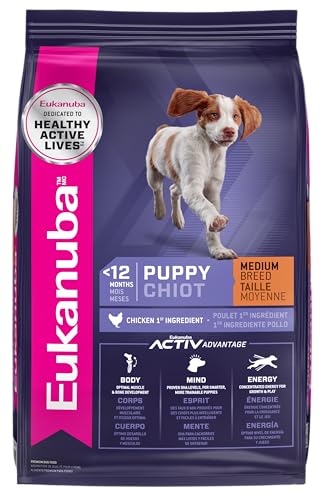
FOR MEDIUM BREED PUPPIES: Eukanuba Puppy Medium Breed Dry Dog Food is complete and balanced nutrition for medium breed puppies up to 12 months old with an expected adult weight between 24 to 54 lb
Essential Fats and Fatty Acids

Three essential components make up the fat requirements for Bulldog puppies: overall fat content, omega-3 fatty acids, and omega-6 fatty acids. Your puppy's diet should contain a minimum of 8% fat to support energy needs and promote proper growth. Essential fats are important for your Bulldog's development, providing energy, supporting healthy skin and coat, and aiding in vitamin absorption.
Omega-3 fatty acids, found in fish oil and flaxseed oil, contribute to brain development and reduce inflammation. Omega-6 fatty acids, present in chicken fat, support overall health. Balancing these fatty acids is critical for your puppy's well-being.
While fats are essential, careful management is necessary to maintain a healthy weight. Excess fat can lead to obesity and associated health issues in Bulldogs. Consult with your veterinarian to determine the appropriate fat content for your puppy's individual needs.
Recommended Products

Cat/Dog Skin and Coat Supplement: Relieve your pet from rashes, itchy skin & hot spots with Ultra Oil’s hemp & liquid fish oil for pets. Simply pump into their meal(s) for healthy skin & fur that shimmers!
Hemp Well Thrive Pet Oil is an everyday supplement for overall pet health, including joint support and heart health. Hemp is a better option than salmon oil for dogs and cats.
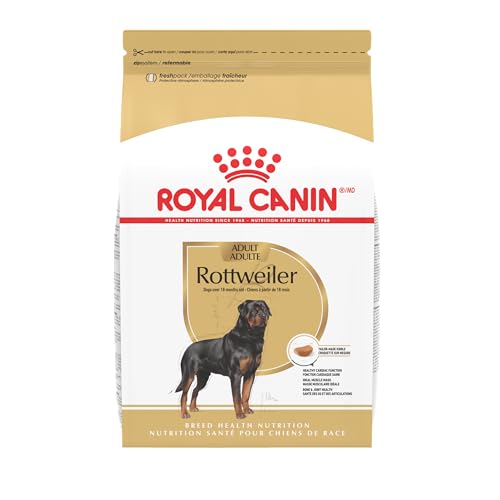
FORMULATED FOR PUREBRED ROTTWEILERS: Royal Canin Rottweiler Adult Dry Dog Food is designed to meet the nutritional needs of purebred Rottweilers 18 months and older
Carbohydrates and Fiber Balance

While fats play an essential role in your Bulldog puppy's diet, carbohydrates and fiber are equally important components. A balanced diet for your Bulldog pup should include approximately 30% carbohydrates to provide essential energy for growth and activity. Fiber, vital for digestive health, should make up around 6% of their diet. Consider these key points:
- Carbohydrates fuel your puppy's energy needs
- Fiber regulates bowel movements and prevents constipation
- Brown rice, oats, and sweet potatoes are excellent carb sources
- Proper carb and fiber balance helps maintain a healthy weight
- High-quality kibble provides balanced nutrition without excessive fillers
When selecting commercial puppy food, monitor the fiber content to guarantee it meets your Bulldog's needs. The right balance of carbohydrates and fiber will support your puppy's growth while preventing obesity, a common concern for this breed due to their stocky build.
Recommended Products

LIMITED INGREDIENT DOG FOOD: Get as close as you can to the raw diet a dog would eat in the wild. With only 1 protein & 1 complex carb, Canine Caviar dog food is easily digestible.
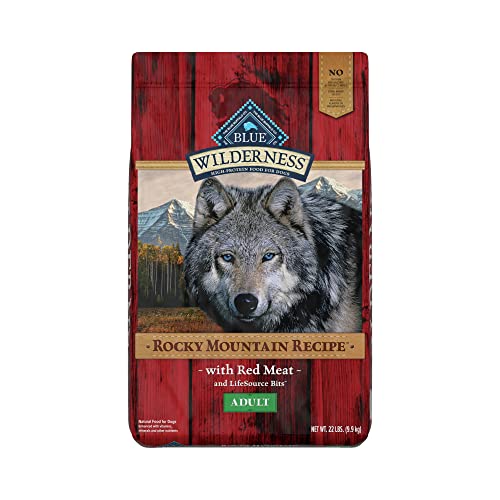
HIGH-PROTEIN NUTRITION: BLUE Wilderness dog food with real red meat as the first ingredient has 30% protein to help support lean muscle in adult dogs

REAL SALMON FIRST: This Blue Buffalo dry dog food is made with real, high-quality salmon as the #1 ingredient
Vitamins and Minerals for Bulldogs

Your Bulldog puppy's health depends on a balanced intake of essential vitamins and minerals. Vitamins A, B, C, D, E, and K are essential for supporting overall health and immune function in Bulldogs, while minerals like calcium and phosphorus play an important role in bone development. You'll need to guarantee your puppy's diet contains the right balance of these nutrients, with recommended levels of 1% calcium and 1.2% phosphorus to promote healthy growth and development.
Essential Vitamin Requirements
Bulldogs, like all dogs, require a balanced diet rich in essential vitamins and minerals to maintain ideal health. Your furry companion's overall health depends on these important nutrients, which support various bodily functions. A balanced diet should provide the following essential vitamins:
- Vitamin A for vision and immune response
- B-complex vitamins for metabolism and energy
- Vitamin C for immune system support
- Vitamin D for bone health
- Vitamin E for skin and coat health
Ensuring your Bulldog receives these vitamins through their diet or supplements is necessary for their well-being. Regular veterinary check-ups can help assess your dog's vitamin levels and provide tailored dietary recommendations. Remember, deficiencies can lead to health issues, so it's important to stay vigilant about your Bulldog's nutritional needs. By providing a diet rich in essential vitamins, you're setting your furry friend up for a healthier, happier life.
Mineral Balance for Bulldogs
Maintaining a proper mineral balance is essential for your Bulldog's overall health and development. Calcium and phosphorus are particularly important, with minimum requirements of 1% and 1.2% respectively, to support strong bones and teeth during growth phases. Your Bulldog's diet should also include a balanced intake of vitamins and minerals, including vitamins A, B, C, D, E, and K, which play significant roles in immune function and skin health. Additionally, omega-3 and omega-6 fatty acids are important for maintaining healthy skin, coat, and joints. However, it's critical to avoid excessive supplementation, as imbalances can lead to health issues. Regular veterinary check-ups are essential to monitor your Bulldog's mineral and vitamin levels, ensuring their dietary needs are met and adjusted as they grow. This careful balance will help prevent bone malformations and metabolic disorders in your beloved companion.
Hydration and Water Intake

When it comes to your bulldog puppy's health, proper hydration can't be overstated. Water intake is essential for supporting growth and preventing health problems. Your puppy needs approximately 1 ounce of water per pound of body weight daily, though this may vary based on activity and temperature.
To guarantee ideal hydration:
- Provide fresh, clean water at all times
- Use a weighted bowl to prevent spills
- Encourage drinking after meals and playtime
- Monitor water consumption regularly
- Clean the water bowl daily
Dehydration can lead to serious issues, including kidney problems and lethargy. By maintaining proper hydration, you're supporting your bulldog puppy's overall health and energy levels. Remember to adjust water intake based on your puppy's specific needs, and consult your veterinarian if you notice any changes in drinking habits or signs of dehydration.
Feeding Schedule and Portion Control

Just as important as hydration is establishing a proper feeding schedule and portion control for your bulldog puppy. Start by feeding 1 to 1.5 cups of high-quality puppy food daily, divided into three meals until 8 weeks old. Around 3-4 weeks, begin shifting from mother's milk to puppy mush, progressing to solid food by week 6. At 8 weeks, adjust to 2-3 meals per day, monitoring weight and adjusting portions as needed. By week 9, your puppy should be fully weaned, consuming 3 meals daily, and weighing between 9-12 pounds. As your bulldog grows, maintain consistent portion control, typically 2-3 cups of food daily for healthy adults, split into 2-3 meals. Remember to adjust based on weight and activity level, ensuring proper nutrition throughout your bulldog's life.
Recommended Products

Nutro Dog Food with Ultra Difference: Nutro Ultra Large Breed Puppy High Protein Dry Dog Food provides high-quality ingredients like our trio of animal proteins and exclusive blend of 14 superfoods to deliver flavor & gourmet nutrition your pet will love

Quality Dog Food Dry Recipe: This Nutro Ultra Dog Food dry recipe is made with non-GMO ingredients; no chicken by-product meal, corn, wheat, or soy

Hill's Prescription Diet z/d Hydrolyzed Dry Dog Food is specially formulated by Hill’s nutritionists and veterinarians to manage dogs' food sensitivities.
Transitioning to Adult Bulldog Diet

As your Bulldog puppy approaches 12 months of age, it's time to contemplate shifting to an adult diet. You'll need to implement a gradual process, typically spanning 7-10 days, where you'll slowly introduce adult food into your puppy's meals. This change involves adjusting to adult food with lower fat content and reduced caloric density, while still maintaining adequate protein levels to support your Bulldog's muscle mass and overall health.
Recommended Products

Sturdy Integrated Design: Our six packs two-tier 31 inch dog crate for small dogs features an integrated design, providing exceptional stability and reducing the tipping or wobbling. The overall dimensions of two-tier are 31"L x 20.3" Wx 45.67"H, with each tier measuring 18.1" in height, accommodating pets up to 45 pounds per tier. This vertical space-saving design is ideal for breeders, kennels, multi-pet households, pet hospitals, and groomers

Rigid internal support structure for safety, durability and longevity; Made from durable UV-rated, weather-resistant 1200-denier textile material
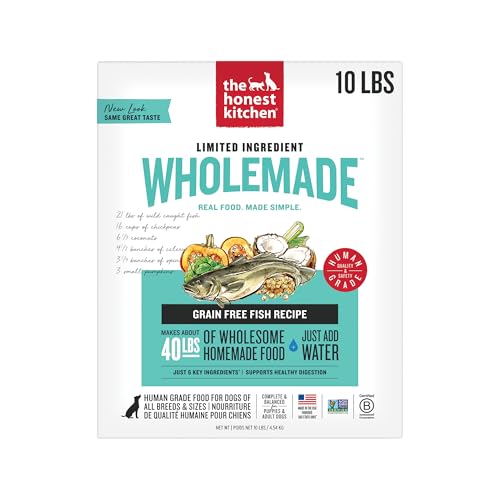
MAKES 40 LBS OF FOOD: Just add warm water for a wholesome and delicious meal that rehydrates to 4x its weight. A 10 LB box makes 40 LBs of fresh food Serve alone as a complete easy homemade meal, or use as a topper to dry food.
Gradual Diet Transition Process
In light of your Bulldog's first birthday, it's time to think about shifting from puppy food to an adult diet. This change is vital for your furry friend's health and should be approached carefully. Here's a step-by-step guide to guarantee a smooth diet change:
- Begin at 12 months of age
- Gradually introduce adult food over 7-10 days
- Mix new food with puppy food, increasing ratio slowly
- Monitor weight and adjust portions as needed
- Consult with your veterinarian throughout the process
As you adapt, you'll notice the protein and fat content decreasing to match your Bulldog's adult nutritional needs. Adult food typically contains 18% protein and 5% fat, compared to puppy food's higher content. Keep a close eye on your Bulldog's weight and energy levels, making adjustments as necessary to prevent obesity and maintain ideal health.
Adult Food Nutritional Adjustments
Now that you've begun introducing adult food, let's examine the nutritional shifts your Bulldog needs. Adult dog food for Bulldogs requires a significant adjustment in protein and fat content. While puppy food is designed for growth, adult Bulldogs require a diet with at least 18% protein and 5% fat to maintain muscle mass without promoting weight gain. As you shift, it's essential to monitor your Bulldog's weight closely, aiming for a daily caloric intake of 25-30 calories per pound of body weight. Regular veterinary check-ups during this period will help guarantee the new diet meets your Bulldog's specific nutritional needs. Remember, the shift should occur gradually over 7-10 days, mixing increasing amounts of adult kibble with puppy food to prevent digestive issues. This careful approach will support your Bulldog's health as they enter adulthood.
Frequently Asked Questions
How Much Should I Feed My Bulldog Puppy?
You'll want to feed your precious bulldog puppy 1 to 1.5 cups of high-quality food daily. Practice portion control, adjusting as they grow. Remember, proper bulldog feeding supports healthy puppy growth. It's all about nourishing your little companion!
What Are the Complete Puppy Feeding Guidelines?
Like Hercules's twelve labors, raising a bulldog puppy requires dedication. You'll need a strict puppy feeding schedule, balanced nutritional supplements, and awareness of common feeding mistakes. Don't overfeed; it's a rookie error many pet parents make.
What Is the Best Diet for an English Bulldog Puppy?
Your bulldog puppy's health depends on the right diet. Choose high-quality puppy food with 22% protein and 8% fat. Feed them 1-1.5 cups daily in three meals. Don't forget supplements for ideal growth. These diet tips guarantee a happy, healthy pup!
How Much to Feed a Puppy Chart?
Like Goldilocks finding the perfect porridge, you'll need a puppy feeding schedule that's just right. Consider age-specific needs and portion control tips. You'll want to adjust amounts as your little fur-baby grows and develops.