As an Amazon Associate, we earn from qualifying purchases. Some links on this site are affiliate links at no extra cost to you. Our recommendations are based on thorough research and editorial judgment.

What Should I Feed My Bulldog Puppy?

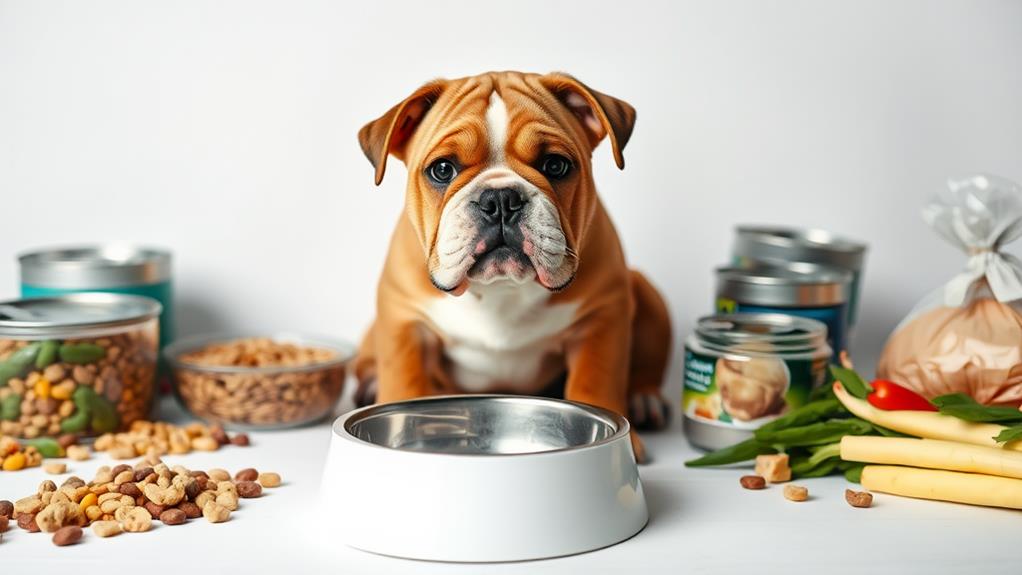
To feed your Bulldog puppy properly, focus on a balanced diet rich in high-quality protein (at least 22%) from sources like chicken, turkey, or fish. Include healthy fats (8%) for energy and vitamin absorption, and incorporate digestible carbohydrates and vegetables for fiber and nutrients. Establish a consistent feeding schedule, starting with three meals daily and gradually increasing portions as your puppy grows. At 8 weeks, feed 1/2 to 3/4 cup daily, increasing to 2-4 cups as they mature. Consult a veterinarian to verify nutritional needs are met and consider homemade meals for best nutrition control. The following sections provide in-depth guidance for nourishing your Bulldog puppy effectively.
Key Takeaways
- Feed high-quality puppy food with at least 22% protein from sources like chicken, turkey, beef, or fish.
- Include healthy fats (8% of diet) from fish oil or flaxseed oil for energy and coat health.
- Incorporate digestible carbohydrates and vegetables like sweet potatoes, brown rice, carrots, and peas.
- Start with 1/2 to 3/4 cup daily at 8 weeks, divided into three meals, increasing gradually as the puppy grows.
- Consult a veterinarian regularly to ensure balanced nutrition and adjust the diet as needed.
Nutritious Homemade Puppy Food Basics
You may be interested

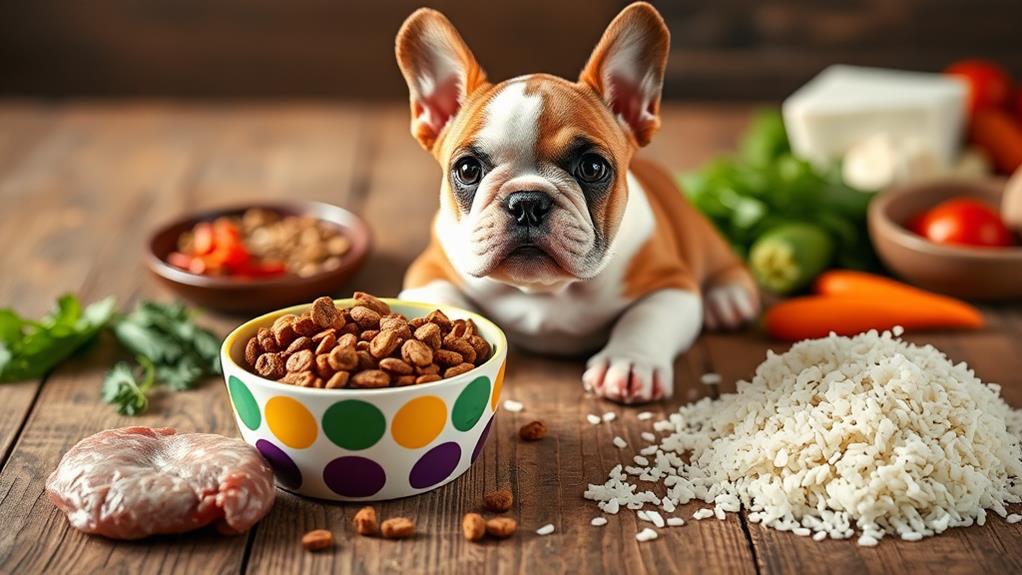
When preparing homemade food for your Bulldog puppy, it's important to understand the nutritional basics.
Your English Bulldog puppy requires a diet rich in protein, with at least 22% during the growth phase to support muscle development. Incorporate healthy fats, aiming for 8% content, to provide energy and aid vitamin absorption.
Balance the meal with vegetables and grains like sweet potatoes and brown rice for carbohydrates and fiber.
Pay close attention to the calcium-to-phosphorus ratio, targeting 1:1 for proper bone growth.
Before implementing homemade diets, consult your vet to guarantee all nutrition needs are met. They can help you avoid potential health risks associated with unbalanced meals.
Protein-Rich Recipes for Bulldog Puppies
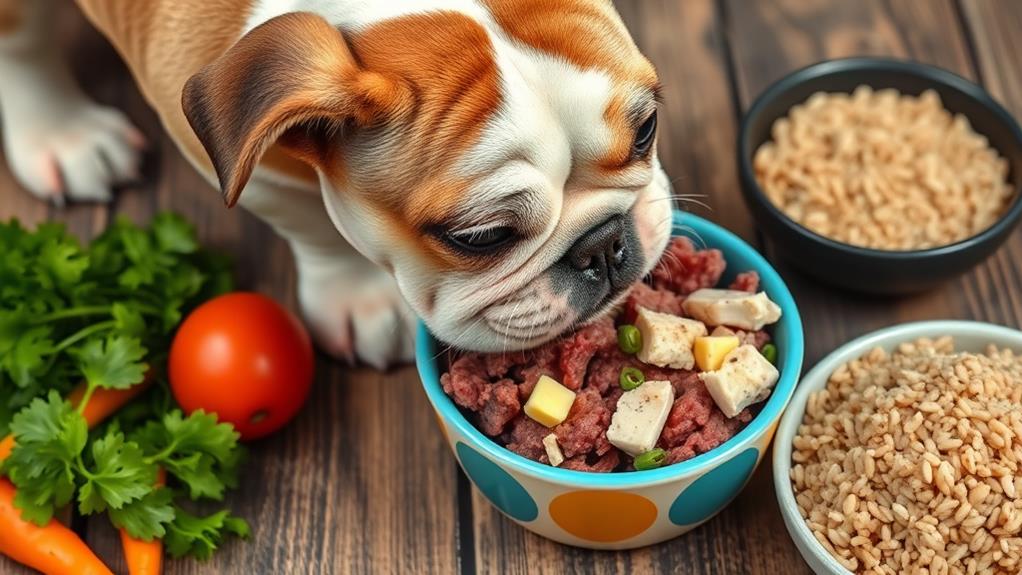
When crafting protein-rich recipes for your Bulldog puppy, you'll want to focus on high-quality protein sources that meet their nutritional needs.
Consider incorporating lean meats like chicken, turkey, beef, or fish as the foundation of your homemade meals.
You can create balanced, nutrient-dense dishes by combining these proteins with easily digestible carbohydrates and vegetables, ensuring your puppy receives the essential amino acids and vitamins required for healthy growth.
Recommended Products

PUPPY MILK REPLACEMENT - The next best to Mother’s milk, Goat’s Milk Esbilac is made with whole goat milk protein for puppies with sensitive digestive systems. It provides all the nutritional elements necessary for puppies, newborn to six weeks old.

Supports a Strong Immune System: Our powerful blend of Turkey Tail mushrooms and Beta-Glucan helps promote everyday wellness and immune defense for dogs of all breeds.

FREEZE DRIED RAW MEAT: Kibble in the Raw locks in the nutrients and flavor of raw meat through our freeze-dried process. Unlike traditional kibble, it delivers optimized nutrition and digestibility without high-heat cooking and overprocessing.
High-Quality Protein Sources
Bulldog puppies thrive on a protein-rich diet, and you'll need to focus on high-quality sources to support their growth. For your English Bulldog puppy, prioritize ingredients like chicken, beef, lamb, fish, and eggs, which provide essential amino acids for healthy development.
Avoid meat by-products, as they often contain lower quality protein that may not meet your puppy's nutritional needs.
To guarantee a balanced diet, consider incorporating fresh, human-grade meat into homemade recipes. This approach can enhance protein content while avoiding harmful additives found in some commercial foods.
If necessary, you may supplement your puppy's diet with protein supplements, such as whey protein or specialized puppy formulas.
Homemade Puppy Meal Ideas
To create nutritious homemade meals for your Bulldog puppy, you'll need to focus on protein-rich recipes that meet their specific dietary needs. Include high-quality protein sources like ground turkey, chicken, or lean beef to satisfy their 22% protein requirement during growth. Incorporate cooked vegetables such as carrots, peas, and sweet potatoes for essential vitamins and minerals. Maintain a calcium to phosphorus ratio close to 1:1 by adding crushed eggshells or bone meal.
| Protein Source | Vegetable | Supplement |
|---|---|---|
| Ground Turkey | Carrots | Eggshells |
| Chicken | Peas | Bone Meal |
| Lean Beef | Sweet Potato | Calcium Powder |
| Fish | Green Beans | Vitamin Mix |
Avoid harmful ingredients like onions and garlic, as Bulldogs are prone to food allergies. Keep meals simple and wholesome. Consult your veterinarian regularly to guarantee nutritional adequacy and adjust recipes based on your puppy's growth and health status.
Vegetable-Based Meals for Balanced Nutrition
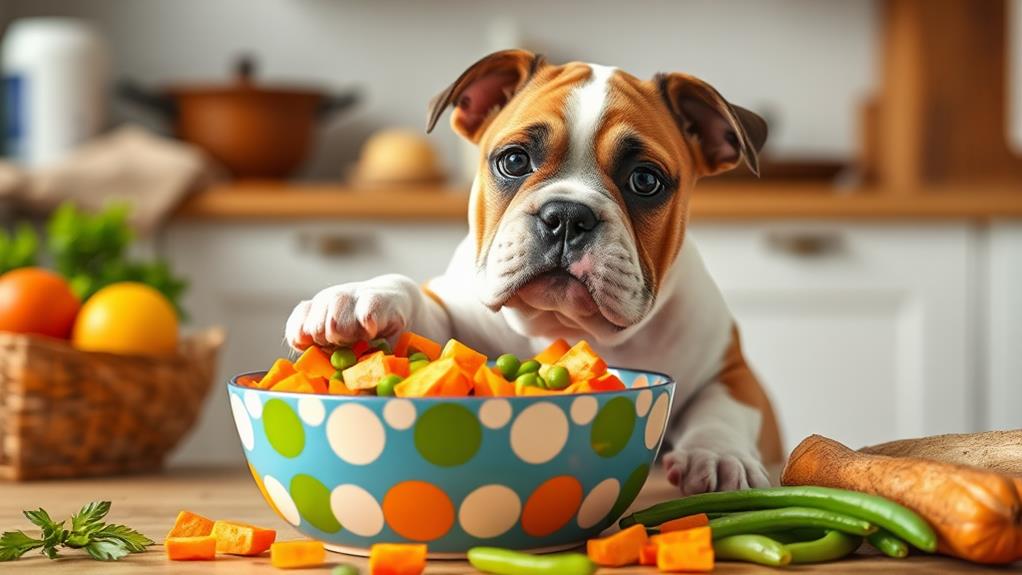
When introducing vegetable-based meals to your Bulldog puppy's diet, focus on nutrient-rich options like sweet potatoes, carrots, and peas, which provide essential vitamins and minerals.
To prepare puppy-friendly veggie meals, steam or lightly cook the vegetables to enhance digestibility, and consider pureeing them for easier consumption.
Remember to balance these vegetable offerings with high-quality protein sources, ensuring your puppy receives a well-rounded diet that supports their growth and development.
Recommended Products

Cat/Dog Skin and Coat Supplement: Relieve your pet from rashes, itchy skin & hot spots with Ultra Oil’s hemp & liquid fish oil for pets. Simply pump into their meal(s) for healthy skin & fur that shimmers!

DRY DOG FOOD - Our 26 lb bag of dog food contains a specially prepared entrée with turkey, turkey broth, goose, and a mix of fruits & vegetables. Meets the nutritional levels established by the AAFCO Dog Food Nutrient Profiles for all life stages.

QUALITY YOU CAN TRUST - A nutritionally balanced blend of highest quality ingredients, freeze-dried pork, fruits and vegetables
Nutrient-Rich Vegetable Options
Incorporating nutrient-rich vegetables into your Bulldog puppy's diet can boost their overall health and provide essential vitamins and minerals. When selecting vegetables for your English Bulldog puppies, consider options that complement their puppy formula and support digestion.
Sweet potatoes and carrots are excellent choices, offering antioxidants and fiber. Green beans, low in calories and high in fiber, help maintain a healthy weight while promoting digestive health. Spinach, rich in iron, calcium, and vitamins A, C, and K, contributes to strong bones and a robust immune system. Peas serve as a good protein source, meeting the higher requirements of growing puppies.
Remember to:
- Cook vegetables thoroughly
- Introduce new foods gradually
- Serve in moderation
- Consult your veterinarian for personalized recommendations
Preparing Puppy-Friendly Veggie Meals
Creating puppy-friendly veggie meals for your Bulldog requires careful planning and preparation. When incorporating vegetables into your puppy's diet, remember to maintain a balanced approach. Vegetables should comprise no more than 10-20% of your Bulldog's total food intake, guaranteeing adequate protein levels for growth.
To enhance digestibility and nutrient absorption, steam or boil vegetables before serving.
Consider these steps when preparing veggie meals for your Bulldog puppy:
- Gradually introduce new vegetables to monitor for adverse reactions
- Complement vegetable meals with high-quality puppy food to meet protein needs
- Aim for a variety of nutrient-rich options like carrots, green beans, and sweet potatoes
- Verify vegetables are properly cooked and cooled before serving
Balancing Veggies With Protein
A well-balanced diet is essential for your Bulldog puppy's growth and development. When incorporating vegetables into your puppy's diet, it's vital to maintain the proper balance with protein sources.
Vegetables like carrots, peas, and sweet potatoes can complement high-protein meals, providing essential vitamins and fiber. However, you must guarantee that the overall diet maintains a calcium to phosphorus ratio of approximately 1:1 for ideal bone health.
To enhance digestibility for Bulldogs' sensitive stomachs, cook and puree vegetables before adding them to meals. This process improves nutrient absorption and reduces the risk of digestive issues.
Remember, while vegetables offer nutritional benefits, protein should remain the primary focus, comprising at least 22% of your puppy's diet during growth phases.
Always consult with a veterinarian before making significant changes to your Bulldog puppy's diet to guarantee it meets their specific nutritional needs.
Safe Ingredients for Homemade Puppy Food
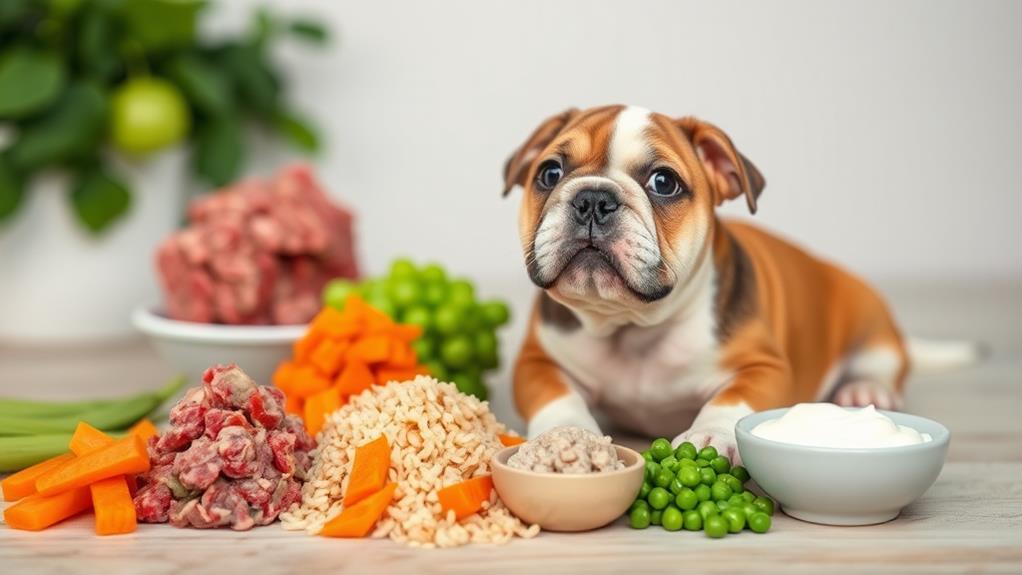
Homemade puppy food for Bulldogs requires five key ingredient categories to secure proper nutrition. When preparing meals for your Bulldog puppy, focus on high-quality protein sources like lean meats to meet their 22% protein requirement.
Incorporate healthy carbohydrates such as brown rice or sweet potatoes, which are gentle on your Bulldog's sensitive stomach. Include vegetables like carrots, peas, and pumpkin for essential vitamins and improved digestion. Add appropriate fats, aiming for at least 8% fat content to promote healthy skin and coat.
When crafting homemade diets, consider these pivotal factors:
- Consult a veterinarian to guarantee proper nutrient balance
- Maintain a calcium-to-phosphorus ratio close to 1:1
- Use fish oil or flaxseed oil for essential fatty acids
- Avoid fillers and harmful ingredients
Recommended Products
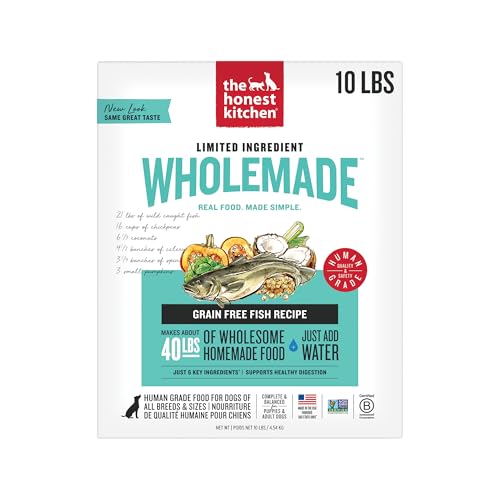
MAKES 40 LBS OF FOOD: Just add warm water for a wholesome and delicious meal that rehydrates to 4x its weight. A 10 LB box makes 40 LBs of fresh food Serve alone as a complete easy homemade meal, or use as a topper to dry food.

OPTIMAL MUSCLE & WEIGHT GAIN: Bully Max 30/20 High Protein Beef Dry Dog Food delivers 30% protein, 20% fat, and 530 calories per cup to support muscle growth, healthy weight gain, and lasting energy. Ideal for active, working, and underweight dogs, its calorie-dense formula helps reduce serving sizes while powering performance for small and large breed dogs.

MEDIUM BREED PUPPY FOOD: Royal Canin Medium Breed Dry Puppy Food for puppies 2 months to 1 year with an expected adult weight of 23 to 55 lbs
Portion Sizes and Feeding Schedule
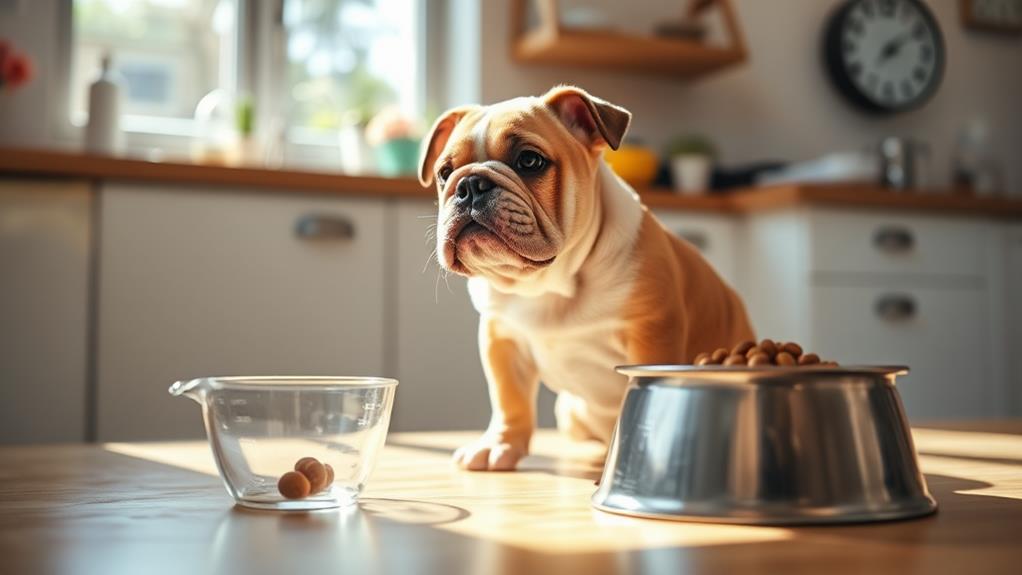
For Bulldog puppies, proper portion sizes and a consistent feeding schedule are vital to their health and development.
At 8 weeks old, an English Bulldog puppy should consume approximately 1/2 to 3/4 cup of high-quality puppy food daily, divided into three meals. As they grow, gradually increase their daily intake to 2-4 cups by adulthood.
Shift to a fixed feeding schedule by week 10, aiming for three to four meals daily until 6-7 months, then reduce to two meals. Monitor stool consistency and adjust portions accordingly.
Regular weight checks are important, as individual needs may vary based on activity level and breeder recommendations.
Remember that portion sizes should support healthy growth without overfeeding. By following these guidelines and closely monitoring your puppy's progress, you'll guarantee ideal nutrition for your Bulldog's development.
Recommended Products

Versatile & Comfortable: The Kenyone C310L pet stroller offers a 3-in-1 design as a stroller, a detachable carrier, and a car seat, catering to all pet owner's needs. Made from durable 600D oxford cloth, the stroller is built to withstand sun and wear. It has mesh windows for good air circulation, and your pet's comfort is assured with an easy-to-clean liner and an anti-slip pad.

LARGE BREED PUPPY FOOD: Royal Canin Large Breed Dry Puppy Food for puppies 2 to 15 months with an expected adult weight of 56 to 100 lbs

FORMULATED FOR PUREBRED BULLDOGS: Royal Canin Bulldog Puppy Dog Food is designed to meet the nutritional needs of purebred Bulldogs 8 weeks to 15 months old
Transitioning to Homemade Puppy Meals
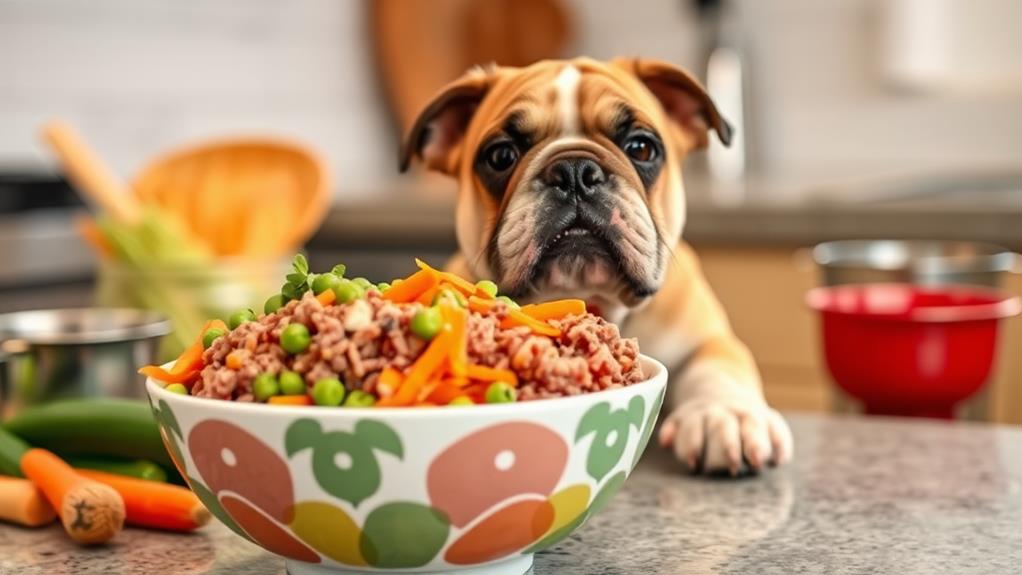
Shifting your Bulldog puppy to homemade meals requires careful planning and execution. To guarantee a balanced diet, include a protein source comprising at least 22% of the meal, and aim for 8% fat content. Incorporate vegetables and carbohydrates to provide essential vitamins and minerals, maintaining a proper calcium to phosphorus ratio.
Gradually introduce homemade meals over a week to prevent digestive upset.
When adapting to homemade puppy meals, consider the following:
- Consult a veterinarian or pet nutritionist to meet nutritional requirements
- Choose high-quality ingredients suitable for your puppy's growth
- Calculate portion sizes based on your puppy's age and weight
- Regularly monitor your puppy's health and adjust the diet as needed
Recommended Products
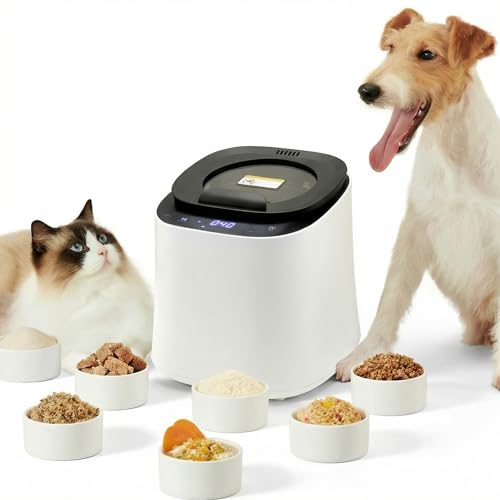
7-in-1 Versatile Design: This pet food maker integrates 7 functions in one, capable of making jerky, flocculent wet food, dry food, meat powder, meat floss, soup, and paste. It is designed to fit various feeding scenarios, including puppies/kittens, senior pets, and pets with different dietary preferences, allowing you to prepare food that aligns with your fur baby’s taste and eating habits.

Auto 5-in-1 Multi-Function:Pet meal maker innovative appliance automates 5 key steps,chopping ingredients,slow-cooking,mixing during the process,self-cleaning and time-all in one compact unit. Easily prepare fresh,nutrient-rich meals tailored to your pet needs. Just simply add pre-chopped ingredients (small chunks) into the machine,load,press start,and serve,you can produce grains in various forms such as clumping dog jerky,dry food,wet food,meat meal,wet cat food.

ABOUT FRESH FROZEN DOG FOOD THAT SUPPORTS HEALTHY WEIGHT: This low-calorie dog food supports safe, sustainable weight loss with lean pork, veggies, and whole grains to keep dogs feeling full and satisfied.
Frequently Asked Questions
What Is the Best Diet for a Bulldog Puppy?
You'll want to focus on bulldog nutrition tailored for puppy growth. Follow feeding guidelines for high-quality food brands like Royal Canin. Consider dietary supplements if needed. Practice portion control and address breed-specific needs for ideal health.
How Often Should You Feed a Bulldog Puppy?
You should feed your bulldog puppy three times daily until they're 5-6 months old. Adjust portion sizes as they grow. Maintain a consistent feeding schedule to support digestive health. Don't forget to account for training treats in their daily intake.
What Foods Should Bulldogs Avoid?
You'd think bulldogs could eat anything, right? Wrong! Avoid fatty foods, chocolate, grapes, onions, garlic, and dairy. These common toxins and harmful ingredients can cause digestive issues, allergies, and weight problems. Stick to nutritious treats for proper management.
What Do Bulldog Puppies Need?
Your bulldog puppy needs a balanced diet tailored to their growth and breed characteristics. Focus on nutritional needs, feeding frequency, and meal planning. Adjust portions based on puppy sizes, and monitor digestive health. Consult your vet for personalized advice.
Conclusion
You've now got a thorough guide for feeding your bulldog puppy homemade meals. Remember, consistency is key in maintaining your pup's health and vitality. Always consult with your veterinarian before making significant dietary changes, and monitor your puppy's weight and energy levels closely. By following these recipes and guidelines, you'll guarantee your little furry friend grows into a strong, healthy adult. Just like upgrading from a flip phone to a smartphone, shifting to homemade meals can greatly enhance your puppy's quality of life.