As an Amazon Associate, we earn from qualifying purchases. Some links on this site are affiliate links at no extra cost to you. Our recommendations are based on thorough research and editorial judgment.

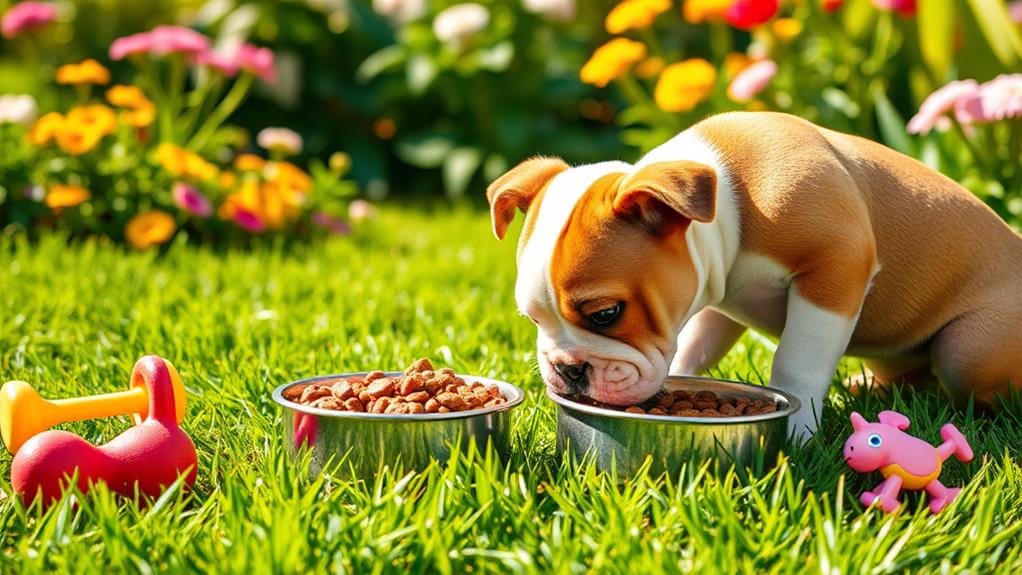
5 Tips: Switching Bulldog Puppies to Adult Food

To switch your bulldog puppy to adult food effectively, consider these tips:
- Nutritional Differences: Understand that puppy food has higher protein and fat levels essential for growth.
- Timing: Shift ideally occurs between 12-14 months, as your puppy nears adult size.
- Gradual Transition: Mix foods over ten days to reduce stomach issues.
- Quality Selection: Choose high-quality adult food, prioritizing animal protein as the main ingredient.
- Health Monitoring: Regularly check weight and energy levels, and consult your vet for dietary adjustments.
You may be interested


These strategies guarantee a smooth shift, supporting your bulldog's ongoing health. More insights await.
Key Takeaways
- Transition Bulldog puppies to adult food between 12-14 months, ensuring they reach 80% of their adult size before switching.
- Gradually mix puppy food with adult food over 10 days to minimize digestive upset and allow adaptation.
- Choose high-quality adult food with animal protein as the first ingredient and avoid fillers and artificial additives.
- Monitor your Bulldog's weight, energy levels, and coat condition to identify any nutritional deficiencies during the transition.
- Consult your veterinarian for breed-specific advice and regular check-ups to ensure dietary adequacy and overall health.
Understand Nutritional Differences
Understanding the nutritional differences between puppy and adult dog food is essential for ensuring your bulldog's healthy development. Puppy food is specifically formulated with higher protein levels—typically 22-32%—and fat content of 8-20%, important for their rapid growth and energy needs.
Key points to take into account include:
- Essential Nutrients: Puppy food contains greater amounts of calcium and phosphorus, critical for bone health, especially for bulldogs prone to joint problems.
- Brain Development: Omega-3 fatty acids in puppy food support cognitive and visual development during these formative stages.
- Growth Needs: Adult dog food, with about 18% protein and 5.5% fat, lacks the caloric density necessary for healthy growth, making early shifts potentially harmful.
Ensuring your puppy receives the right nutrients is paramount.
Recommended Products

PUPPY MILK REPLACEMENT - The next best to Mother’s milk, Goat’s Milk Esbilac is made with whole goat milk protein for puppies with sensitive digestive systems. It provides all the nutritional elements necessary for puppies, newborn to six weeks old.

Supports a Strong Immune System: Our powerful blend of Turkey Tail mushrooms and Beta-Glucan helps promote everyday wellness and immune defense for dogs of all breeds.
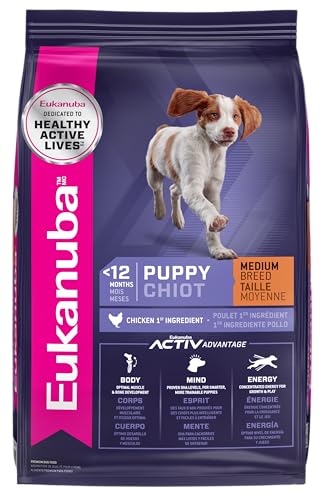
FOR MEDIUM BREED PUPPIES: Eukanuba Puppy Medium Breed Dry Dog Food is complete and balanced nutrition for medium breed puppies up to 12 months old with an expected adult weight between 24 to 54 lb
Determine the Right Timing

Knowing when to switch your bulldog puppy to adult food is key to maintaining their health and well-being. Typically, you should determine when to switch around 12-14 months, as your puppy reaches about 80% of their adult size. Factors like activity level and whether your dog has been spayed or neutered can influence this timing; spayed or neutered dogs may require an earlier alteration due to reduced calorie needs. It is crucial to monitor your dog's weight closely during this period. Consult with a veterinarian for breed-specific recommendations, as bulldogs have unique nutritional needs. Remember, changing too early can lead to nutrient deficiencies, while changing too late can cause obesity and joint issues.
Recommended Products

Sturdy Integrated Design: Our six packs two-tier 31 inch dog crate for small dogs features an integrated design, providing exceptional stability and reducing the tipping or wobbling. The overall dimensions of two-tier are 31"L x 20.3" Wx 45.67"H, with each tier measuring 18.1" in height, accommodating pets up to 45 pounds per tier. This vertical space-saving design is ideal for breeders, kennels, multi-pet households, pet hospitals, and groomers

Rigid internal support structure for safety, durability and longevity; Made from durable UV-rated, weather-resistant 1200-denier textile material
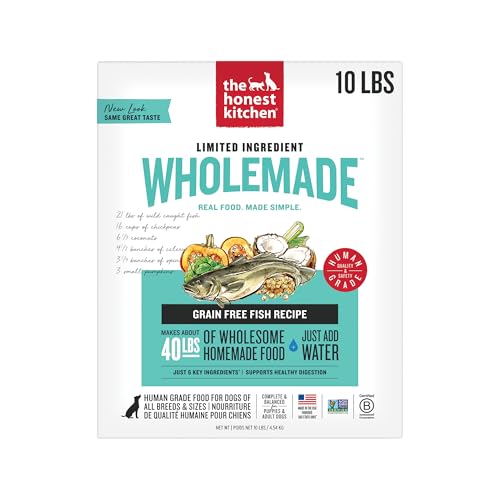
MAKES 40 LBS OF FOOD: Just add warm water for a wholesome and delicious meal that rehydrates to 4x its weight. A 10 LB box makes 40 LBs of fresh food Serve alone as a complete easy homemade meal, or use as a topper to dry food.
Gradual Transition Process

When it's time to switch your bulldog puppy to adult food, a gradual change is essential to avoid upsetting their stomach. Start this adjustment around 12-14 months, when your puppy reaches about 80% of their adult size. Here's how to do it:
- Days 1-3: Mix 75% puppy food with 25% adult dog foods.
- Days 4-6: Adjust the blend to 50% puppy food and 50% adult dog foods.
- Days 7-9: Shift to 25% puppy food and 75% adult dog foods.
Recommended Products

OPTIMAL MUSCLE & WEIGHT GAIN: Bully Max 30/20 High Protein Beef Dry Dog Food delivers 30% protein, 20% fat, and 530 calories per cup to support muscle growth, healthy weight gain, and lasting energy. Ideal for active, working, and underweight dogs, its calorie-dense formula helps reduce serving sizes while powering performance for small and large breed dogs.
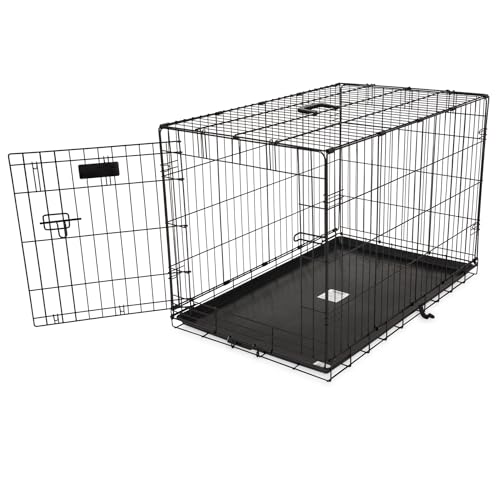
Reliable, Standard Duty Wire Constuction: this dog crate for medium dogs has a 5-point locking system to eliminate gaps & 1 large door for maximum security and access. Rust-resistant finish makes it suitable for occasional outdoor use

Choose Quality Adult Food

As you complete the gradual shift from puppy food to adult food, choosing the right nutrition for your Bulldog is essential. Prioritize quality adult food from high-quality brands that meet AAFCO standards. Look for options where animal protein is the first ingredient, guaranteeing your Bulldog receives balanced nutrition. Consider Bulldog-specific formulas that cater to their unique needs, promoting healthy digestion and preventing obesity, a common concern during their shift from puppyhood to adulthood. Always avoid fillers and artificial additives. Regularly consult with a veterinarian to confirm the selected food aligns with your Bulldog's dietary requirements.
| Key Considerations | What to Look For | Benefits |
|---|---|---|
| Quality Adult Food | High-quality brands | Supports overall health |
| Protein Source | Animal protein as first | Maintains muscle mass |
| Formulation | Bulldog-specific formulas | Tailored balanced nutrition |
| Additives | No fillers or artificial | Prevents obesity |
| Consultation | Regular vet check-ups | Confirms dietary adequacy |
Recommended Products

Hill's Prescription Diet Derm Complete Environmental & Skin Sensitivities Rice & Egg Recipe Dry Dog Food is specially formulated by Hill’s nutritionists and veterinarians to help manage your dog’s environmental or food sensitivities.

DOGS WITH FOOD SENSITIVITIES: Veterinary-exclusive dry dog food made with hydrolyzed protein for adult dogs with food sensitivities

Hill's Prescription Diet z/d Hydrolyzed Dry Dog Food is specially formulated by Hill’s nutritionists and veterinarians to manage dogs' food sensitivities.
Monitor Your Bulldog's Health

Monitoring your Bulldog's health is essential during and after the shift to adult food. This change can affect various aspects of your pet's well-being, so it's vital to stay vigilant. Here are three key areas to focus on:
- Weight Management: Regularly check your bulldog's weight to guarantee they maintain a healthy body condition.
- Energy Levels: Observe any changes in your bulldog's energy; a decrease may signal an issue with the new food.
- Digestive Health: Watch for signs of digestive upset, like diarrhea or vomiting, and consult your vet if these persist.
Additionally, monitor their coat condition for signs of nutritional deficiencies, and schedule regular veterinary check-ups to assess overall health after switching to adult food.
Frequently Asked Questions
When Should I Switch My Bulldog Puppy to Adult Food?
You should switch your bulldog puppy to adult food around 12 to 16 months, considering their growth and nutritional needs. Gradually change, monitor weight, and consult your vet for personalized feeding schedules and health considerations.
How Long Should Bulldogs Eat Puppy Food?
Did you know that Bulldog puppies should ideally eat puppy food for 12-18 months? This period supports their unique puppy growth and nutritional needs, ensuring proper weight management and digestive health, based on vet recommendations.
Can I Switch My Puppy to Adult Dog Food?
You can switch your puppy to adult dog food, but consider their growth stages and calorie needs. Monitor their weight and digestive changes, ensuring ingredient quality meets their health considerations. Each breed may have different feeding schedules.
When to Stop Giving Puppies Food?
Did you know most puppies grow rapidly, doubling their weight in the first week? As they reach growth stages, focus on meal frequency and portion control, adjusting feeding based on vet recommendations to meet their nutritional needs.