As an Amazon Associate, we earn from qualifying purchases. Some links on this site are affiliate links at no extra cost to you. Our recommendations are based on thorough research and editorial judgment.


Why Choose Hypoallergenic Food for Bulldog Puppies?

Choosing hypoallergenic food for bulldog puppies is essential for minimizing allergic reactions and promoting their overall health. These diets typically exclude common allergens like beef, dairy, and wheat while incorporating novel protein sources such as fish or duck. This approach helps reduce the risk of food sensitivities and digestive issues. Additionally, hypoallergenic foods contain easily digestible carbohydrates, omega-3 fatty acids for improved skin health, and probiotics for gut health. Monitoring your puppy's reactions and consulting a veterinarian guarantees tailored nutrition and well-being. Exploring specific food options can also enhance your understanding of the best choices for your puppy's diet.
Key Takeaways
- Hypoallergenic food minimizes allergic reactions by avoiding common allergens, promoting better health in bulldog puppies.
- Novel protein sources like fish or duck provide essential nutrients without triggering sensitivities.
- Easily digestible carbohydrates, such as sweet potatoes, support energy levels and digestive health.
- Omega-3 fatty acids enhance skin and coat health, reducing inflammation and irritations.
- Limited ingredients decrease the risk of digestive problems, ensuring overall well-being for bulldog puppies.
Understanding Hypoallergenic Food
You may be interested



When it comes to feeding your bulldog puppy, understanding hypoallergenic food can really help you steer clear of potential allergies. Hypoallergenic dog foods are specifically designed to minimize allergic reactions, which is essential for puppies prone to sensitivities. These diets typically exclude common allergens like beef, dairy, wheat, chicken, and soy, ingredients often responsible for food allergies in dogs. Instead, they incorporate novel protein sources such as fish, duck, or venison, which are less likely to trigger issues. Additionally, hypoallergenic formulas frequently include easily digestible carbohydrates, like sweet potatoes or peas, to enhance nutrient absorption. Finally, the inclusion of omega-3 fatty acids supports skin health, addressing irritations that bulldog puppies may experience.
Benefits for Bulldog Puppies
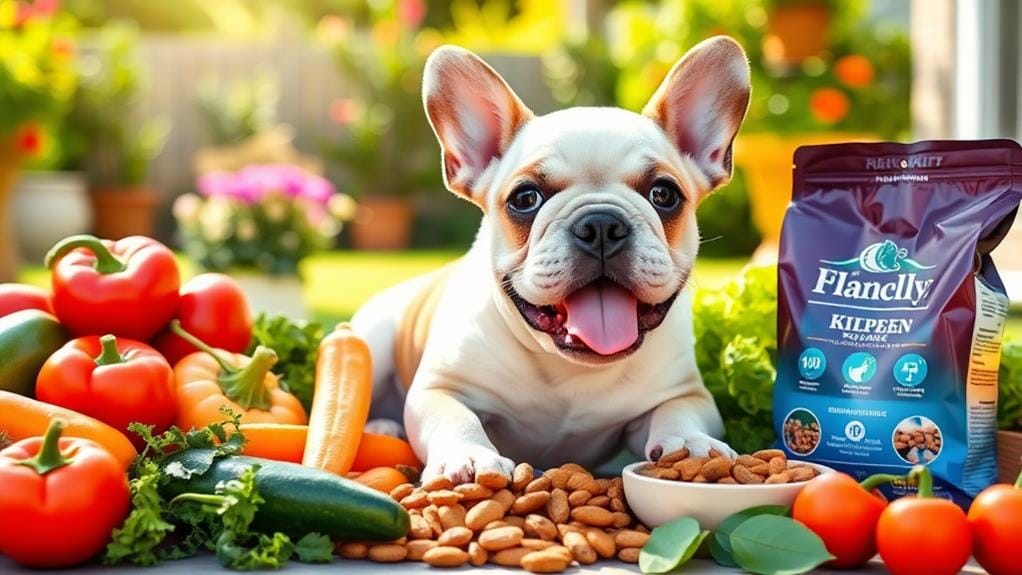
Many bulldog puppy owners find that switching to hypoallergenic food brings significant benefits. A hypoallergenic diet rich in essential nutrients helps address common health issues in bulldogs. Its limited ingredients reduce the risk of allergic reactions and digestive problems, which are prevalent in this breed. By incorporating novel protein sources like fish or duck, these diets guarantee your puppy receives adequate nutrition without triggering sensitivities. Additionally, the Omega-3 fatty acids found in hypoallergenic diets improve skin and coat health, alleviating issues like dry, itchy skin. Furthermore, these specialized formulas support ideal digestion, vital for bulldog puppies prone to gastrointestinal sensitivities. Ultimately, hypoallergenic food can enhance your puppy's energy levels and quality of life, fostering healthy growth and development.
Recommended Products

DOGS WITH FOOD SENSITIVITIES: Veterinary-exclusive dry dog food made with hydrolyzed protein for adult dogs with food sensitivities

Nutro Dog Food with Ultra Difference: Nutro Ultra Large Breed Puppy High Protein Dry Dog Food provides high-quality ingredients like our trio of animal proteins and exclusive blend of 14 superfoods to deliver flavor & gourmet nutrition your pet will love

Quality Dog Food Dry Recipe: This Nutro Ultra Dog Food dry recipe is made with non-GMO ingredients; no chicken by-product meal, corn, wheat, or soy
Key Ingredients to Consider

Choosing the right ingredients is essential for your bulldog puppy's health and well-being. Prioritize high-quality protein sources, such as fish or duck, to minimize allergy risks. These proteins are generally safer than common options like chicken or beef.
Next, include digestible carbohydrates, like sweet potatoes or peas, which provide energy without upsetting sensitive stomachs.
Also, look for foods enriched with Omega-3 fatty acids, typically found in fish-based ingredients, to support skin health and reduce inflammation. This is particularly beneficial for bulldogs prone to skin issues.
Additionally, consider formulas that include probiotics for enhanced gut health. Always avoid artificial additives, fillers, and common allergens like wheat, soy, and dairy to guarantee a clean, nutritious diet for your puppy.
Recommended Products

Hill's Prescription Diet z/d Hydrolyzed Dry Dog Food is specially formulated by Hill’s nutritionists and veterinarians to manage dogs' food sensitivities.

LIMITED INGREDIENT DOG FOOD: Get as close as you can to the raw diet a dog would eat in the wild. With only 1 protein & 1 complex carb, Canine Caviar dog food is easily digestible.

COMPREHENSIVE CARE: Holistic Pet Care Colloidal Silver soothes skin irritations, wounds, and hot spots in pets, promoting nourished skin and a smooth coat. Ideal for all pets, from dogs to birds, it ensures your furry friends stay itch-free and happy.
Transitioning Your Puppy's Diet

Moving from selecting the right ingredients to putting them into practice involves careful planning. Shifting your bulldog puppy to a hypoallergenic diet should be gradual, ideally mixing the new food with the old over 7 to 10 days. Here are some key steps:
- Start Slowly: Begin with a limited ingredient hypoallergenic diet featuring a novel protein, like duck or fish.
- Monitor Closely: Watch for any changes in appetite, stool consistency, or signs of allergic reactions.
- Maintain Consistency: Stick to the new diet without interruptions, which helps you observe any improvements.
- Consult a Veterinarian: Always seek professional advice to guarantee your puppy's specific nutritional needs are met during this shift.
Following these guidelines will help your puppy adjust smoothly to their new diet.
Recommended Products

FREEZE DRIED RAW MEAT: Kibble in the Raw locks in the nutrients and flavor of raw meat through our freeze-dried process. Unlike traditional kibble, it delivers optimized nutrition and digestibility without high-heat cooking and overprocessing.

One (1) 23.5 lb bag of ORIJEN Puppy Grain Free* Dry Dog Food

HUMAN GRADE: Our Whole Food Clusters chicken dog food is crafted from a 100% human grade recipe using human grade ingredients, ensuring premium quality that supports healthy growth and digestion for puppies
Monitoring Allergy Symptoms

Monitoring allergy symptoms in bulldog puppies is essential for their health and well-being. You'll want to keep an eye out for excessive scratching, itching, or skin irritations, as these can indicate food allergies or intolerances. Gastrointestinal issues, like diarrhea, vomiting, or bloating, should also be noted, since they may suggest a reaction to specific ingredients.
To effectively track these signs, maintaining a food diary is vital. This will help you identify patterns and correlate certain foods with any allergy symptoms. Regularly reviewing this information allows for better management of their diet over time. Remember, consistency in monitoring allergy symptoms is key, as changes in seasons or diets can influence the severity of reactions.
Importance of Veterinary Guidance

When it comes to managing food allergies in bulldog puppies, seeking veterinary guidance is essential for effective diagnosis and treatment. Consulting a veterinarian allows you to accurately identify food allergies, as symptoms often mimic other health issues. They can recommend specific hypoallergenic foods tailored to your puppy's unique needs, ensuring balanced nutrition.
Regular check-ups are important for monitoring your puppy's response to these diets, enabling necessary adjustments based on observed symptoms. Introducing new foods gradually is significant, and veterinary guidance helps minimize gastrointestinal upset during changes. Additionally, maintaining a food diary under your vet's supervision can enhance your understanding of potential allergens, ultimately leading to better management of your bulldog puppy's dietary needs and food allergies.
Popular Hypoallergenic Brands
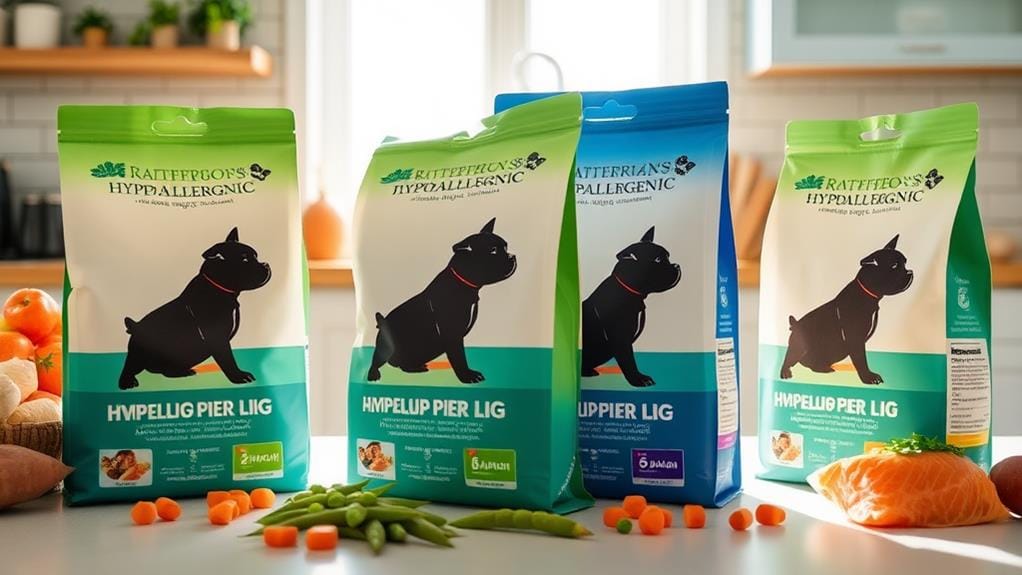
Finding the right hypoallergenic food for your bulldog puppy is essential, especially after you've consulted your veterinarian about food allergies. Several popular brands focus on providing hypoallergenic food for dogs, ensuring your puppy receives the health benefits they need. Here are a few options to take into account:
- Royal Canin: Offers breed-specific formulas tailored for bulldog puppies.
- Hill's Science Diet: Known for veterinary-recommended hypoallergenic formulas suitable for food allergies.
- Blue Buffalo: Features grain-free, limited ingredient diets to reduce allergic reactions.
- Wellness: Provides holistic options free from common allergens like wheat and soy.
Choosing the right food can greatly impact your puppy's health, so explore these trusted brands for ideal nutrition.
Recommended Products

MEDIUM BREED PUPPY FOOD: Royal Canin Medium Breed Dry Puppy Food for puppies 2 months to 1 year with an expected adult weight of 23 to 55 lbs

🦮2022 Newest Dog Collar Chain: 18k gold chain dog collar is extremely durable and will not rust or lose its luster, ensuring years of use! dog choke collar comes with a unique buckle that can withstand 700 pounds of pulling force, locking and unlocking is easy!

One (1) 23.5 lb bag of ORIJEN Puppy Large Grain Free* Dry Dog Food
Tips for Successful Feeding

To guarantee a smooth change to hypoallergenic food for your bulldog puppy, it is crucial to make adjustments gradually. Start by mixing the new food with their current diet over a week. This helps prevent gastrointestinal upset. During this change, monitor for adverse reactions such as skin changes or digestive issues, ensuring the selected hypoallergenic diet suits your puppy's needs.
Consider hypoallergenic foods containing novel protein sources like fish or duck, paired with easily digestible carbohydrates such as sweet potatoes. It's also wise to consult your veterinarian for tailored recommendations.
Maintain a consistent feeding schedule and keep a food diary to track your puppy's reactions, aiding in effective management of their dietary needs, while promoting overall health.
Recommended Products

One (1) 22.5 lb bag of ORIJEN AMAZING GRAINS Puppy Large Dry Dog Food Dog food kibble specially crafted to support your large breed puppy’s rapid growth and development by...
Frequently Asked Questions
Why Would a Dog Need Hypoallergenic Food?
Your dog might need hypoallergenic food if they struggle with common allergies, digestive issues, or skin sensitivities. These diets can help soothe their discomfort, ensuring they feel better and enjoy life to the fullest.
What Is the Best Diet for an English Bulldog Puppy?
For your English Bulldog puppy's growth, focus on a balanced diet with high ingredient quality. Stick to a consistent feeding schedule, incorporating limited ingredients and novel proteins to support their health and minimize allergies.
What Are the Benefits of a Hypoallergenic Dog?
Imagine your puppy's skin sensitivity vanishing! With hypoallergenic dog food, you're tackling dietary restrictions head-on, boosting their immune response. You'll notice a happier, healthier pup, free from the discomfort of allergies and sensitivities.
What Is Different About Hypoallergenic Dog Food?
Hypoallergenic dog food features a careful ingredients analysis, focusing on limited sources to reduce allergy symptoms and digestion issues. It's designed to nurture your bulldog puppy's sensitive system, promoting overall health and happiness together.