As an Amazon Associate, we earn from qualifying purchases. Some links on this site are affiliate links at no extra cost to you. Our recommendations are based on thorough research and editorial judgment.


What’s the Top Nutrition for English Bulldog Puppies?

English Bulldog puppies require a diet tailored to their unique nutritional needs. You'll want to focus on high-quality protein sources, comprising at least 22% of their diet, with a fat content around 8%. Establish a consistent feeding schedule, starting with three meals daily until six months old. Choose foods with whole grains, vegetables, and essential vitamins and minerals. Monitor your puppy's weight and adjust portions accordingly, aiming for 25-30 calories per pound of body weight. Top brands like Royal Canin Bulldog Puppy and Fromm Heartland Grain Free offer specialized nutrition. Gradually shift to adult food around 12 months. Understanding the specifics of proper nutrition can greatly impact your puppy's health and development.
Key Takeaways
- High-quality puppy food with at least 22% protein and 8% fat is essential for growth and development.
- Feed 1-1.5 cups daily, divided into three meals, increasing to 2-4 cups as the puppy grows.
- Include top protein sources like chicken, beef, or fish, along with whole grains and vegetables.
- Maintain a consistent feeding schedule and gradually transition from puppy mush to solid kibble by 9 weeks.
- Choose reputable brands like Royal Canin Bulldog Puppy, Fromm Heartland Grain Free, or Orijen Puppy for balanced nutrition.
Nutritional Needs of English Bulldog Puppies
You may be interested



English Bulldog puppies are little powerhouses that need the right fuel to thrive. Their nutritional needs are specific and vital for healthy development. Puppy food should contain a minimum of 22% protein and 8% fat to support growth and muscle development.
Essential nutrients include:
- 6% fiber for proper digestion
- 1% calcium and 1.2% phosphorus for healthy bone growth
- Balanced vitamins and minerals
Feeding portions typically range from 1 to 1.5 cups daily, divided into three meals until 8 weeks old. A gradual change from mother's milk to solid food begins around 3-4 weeks, with puppy mush introduced by week 4 and solid food by week 6.
Regular veterinary check-ups are important to assess your puppy's health and dietary needs, ensuring ideal weight and appropriate nutrition throughout their growth stages.
Best Ingredients for Puppy Growth

Now that we've covered the nutritional needs, let's focus on the specific ingredients that fuel your English Bulldog puppy's growth. High-quality protein sources, such as chicken or fish, should make up at least 22% of their diet to support muscle development. Essential fats, comprising a minimum of 8% fat content, provide energy and aid in vitamin absorption. Incorporate whole grains like brown rice for healthy digestion and sustained energy. Calcium and phosphorus, in a 1:1 ratio, are essential for bone health. Nutrient-rich ingredients, including sweet potatoes and vegetables, supply important vitamins and minerals for ideal immune function.
| Ingredient | Purpose | Recommended Amount |
|---|---|---|
| Protein | Muscle growth | 22% minimum |
| Fat | Energy source | 8% minimum |
| Whole grains | Fiber, energy | Moderate amount |
| Calcium/Phosphorus | Bone health | 1:1 ratio |
Recommended Products

PUPPY MILK REPLACEMENT - The next best to Mother’s milk, Goat’s Milk Esbilac is made with whole goat milk protein for puppies with sensitive digestive systems. It provides all the nutritional elements necessary for puppies, newborn to six weeks old.

Hill's Prescription Diet z/d Hydrolyzed Dry Dog Food is specially formulated by Hill’s nutritionists and veterinarians to manage dogs' food sensitivities.

A large breed puppy food specially made with an optimal level of calcium for controlled bone growth
Recommended Feeding Schedule

Three key phases define your English Bulldog puppy's feeding schedule. Initially, at 3-4 weeks, introduce puppy mush (3:1 water to kibble) to shift from mother's milk to solid food.
By week 9, your puppy should be fully weaned and eating solid food. Establish a set feeding schedule by week 10, offering high-quality puppy food three times daily until six months old to support rapid growth.
Typical portions start at 1 to 1.5 cups daily, gradually increasing to 2-4 cups as your puppy grows. Monitor growth and adjust food portions based on weight and activity level.
Regular vet check-ups are essential to assess health and nutrition needs.
Key points for ideal feeding:
- Provide high-quality puppy food
- Feed three times daily until six months
- Adjust portions based on growth and activity
- Schedule regular vet check-ups
Recommended Products

Multi-purpose dog crate furniture: The wooden crate is a stylish addition to your home and can be utilized as a table or stand. Elegant white and rustic brown color finished dog crate will seamlessly blend into the home decor. Dog is more than a pet, and they are family. This dog crate furniture creates a harmonious atmosphere between home and the daily needs of your dog.

DOGS WITH FOOD SENSITIVITIES: Veterinary-exclusive dry dog food made with hydrolyzed protein for adult dogs with food sensitivities
Optimal Protein and Fat Ratios

With a proper feeding schedule in place, it's time to focus on the nutritional composition of your English Bulldog puppy's food. Ideal protein and fat ratios are vital for your puppy's growth and overall health.
English Bulldog puppies require a minimum of 22% protein in their diet to support rapid growth and muscle development. Fat content should be around 8%, providing essential energy and aiding in vitamin absorption.
A balanced diet with a fat-to-protein ratio of approximately 60:40 is recommended for ideal growth without risking obesity.
As your puppy grows, protein requirements may decrease slightly, but high-quality protein sources like chicken, beef, or fish remain essential.
Regular monitoring of both protein and fat intake is necessary to adjust the diet based on your puppy's weight, activity level, and growth rate, ensuring their continued well-being.
Recommended Products
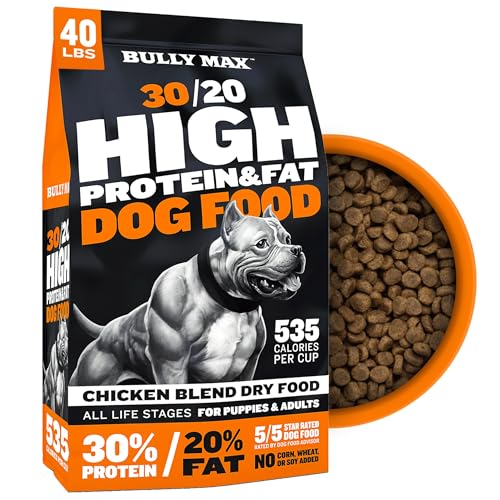
OPTIMAL MUSCLE & WEIGHT GAIN: Bully Max 30/20 High Protein Dog Food, the ONLY 5-star rated performance dog food by the world’s #1 online dog food review site, is designed for healthy weight gain and rapid muscle growth. With 30% more protein and 20% more fat than traditional options and a substantial 535 calories per cup, it efficiently nourishes your dog. This results in lower serving sizes with the same major dog fuel, particularly active breeds, receives ample energy for daily activities.

REAL SALMON FIRST: This Blue Buffalo dry dog food is made with real, high-quality salmon as the #1 ingredient

LARGE BREED PUPPY FOOD: Royal Canin Large Breed Dry Puppy Food for puppies 2 to 15 months with an expected adult weight of 56 to 100 lbs
Avoiding Common Dietary Pitfalls
When feeding your English Bulldog puppy, you'll need to prioritize both ingredient quality and portion control to avoid common dietary pitfalls.
Choose high-quality, protein-rich foods with appropriate fat content, ensuring the ingredients meet the specific nutritional needs of your growing pup.
You'll also want to carefully measure and monitor portion sizes, adjusting them as your puppy grows and their activity level changes, to prevent overfeeding and potential health issues associated with obesity.
Ingredient Quality Matters
Choosing high-quality ingredients for your English Bulldog puppy's food is essential for their growth and long-term health. When selecting puppy food, prioritize options with high-quality protein sources like chicken, beef, or fish as the primary ingredient. These promote muscle growth and overall health.
Avoid foods with fillers or artificial preservatives, which can lead to digestive issues.
Look for a balanced fat content, ideally around 8%, to support energy levels and skin health without risking obesity. Guarantee the food meets AAFCO standards for growth, providing essential vitamins and minerals like calcium and phosphorus for bone development.
Consider these factors when evaluating ingredient quality:
- Presence of high-quality protein sources
- Absence of fillers and artificial preservatives
- Appropriate fat content for energy and skin health
- Inclusion of probiotics for digestive support
Portion Control Essentials
Now that you've selected high-quality ingredients for your English Bulldog puppy's food, it's time to focus on portion control. Proper portion sizes are vital for your puppy's growth and health.
For English Bulldog puppies, aim for 1 to 1.5 cups of high-quality puppy food daily, divided into three meals. Monitor caloric intake closely, targeting 25-30 calories per pound of body weight to prevent weight gain and obesity-related issues.
When switching between food types, do so gradually over 7-10 days, adjusting portion sizes if needed. Limit treats to 10% of daily caloric intake to avoid excessive weight gain.
Regular vet check-ups are important to assess your puppy's growth and adjust portion sizes based on activity level and health status. By maintaining proper portion control, you'll support your English Bulldog puppy's ideal growth and development.
Top Brands for Bulldog Puppies
A bulldog puppy's nutrition is vital for their growth and development, and selecting the right brand of food can make all the difference.
When choosing a food for your English Bulldog puppy, consider these top brands:
- Royal Canin Bulldog Puppy: Offers tailored nutrition to meet the unique needs of bulldog puppies.
- Fromm Heartland Grain Free: Provides high-quality ingredients for ideal health and development.
- Orijen Puppy: Known for its high protein content and fresh, regional ingredients.
- Hill's Science Diet Puppy: Recommended by veterinarians for balanced nutrition.
These brands focus on providing the vital nutrients bulldog puppies need for proper growth.
While Taste of the Wild Puppy is popular, exercise caution due to past recalls.
It's essential to select a food that supports your puppy's specific nutritional requirements, ensuring they receive the right balance of proteins, fats, and carbohydrates for their developmental stage.
Recommended Products

Compatible crates: Fits all single door and double door metal dog kennels, suitable for use as a multi-purpose tray in entryways, mudroom, closet, garage, kitchen, garden, or inside car

Supports a Strong Immune System: Our powerful blend of Turkey Tail mushrooms and Beta-Glucan helps promote everyday wellness and immune defense for dogs of all breeds.
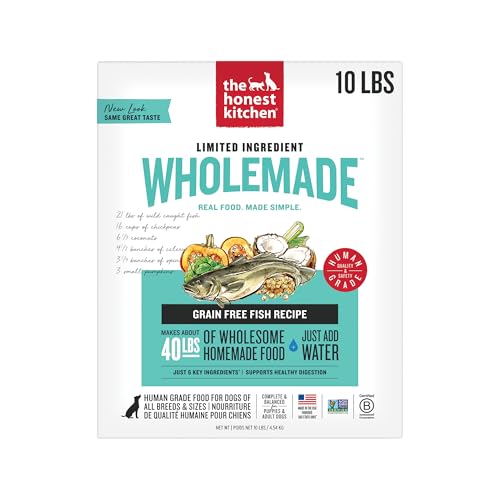
MAKES 40 LBS OF FOOD: Just add warm water for a wholesome and delicious meal that rehydrates to 4x its weight. A 10 LB box makes 40 LBs of fresh food Serve alone as a complete easy homemade meal, or use as a topper to dry food.
Transitioning to Solid Foods

After selecting the right brand for your English Bulldog puppy, you'll need to focus on introducing solid foods.
Shifting to solid foods for English Bulldog puppies typically begins around 3-4 weeks of age. Start by offering puppy mush, a 3:1 mixture of water and kibble, to familiarize your puppy with solid food.
By 6 weeks, your puppy should be fully shifted to solid food, eating approximately 3 meals a day to support their growing energy needs.
Make sure weaning is completed by 9 weeks of age, at which point your puppy should be consuming solid kibble exclusively.
Throughout this process, it's essential to monitor your puppy's weight and stool consistency. Make adjustments to feeding amounts if loose stools occur, allowing for proper digestive adaptation.
This gradual shift guarantees your English Bulldog puppy develops healthy eating habits.
Recommended Products

MEDIUM BREED PUPPY FOOD: Royal Canin Medium Breed Dry Puppy Food for puppies 2 months to 1 year with an expected adult weight of 23 to 55 lbs

GIANT BREED PUPPY FOOD: Royal Canin extra-large Breed Puppy Food for puppies 2 to 8 months with an expected adult weight of over 100 lbs

FORMULATED FOR PUREBRED BULLDOGS: Royal Canin Bulldog Puppy Dog Food is designed to meet the nutritional needs of purebred Bulldogs 8 weeks to 15 months old
Monitoring Growth and Adjusting Diet

Vigilance is key when monitoring your English Bulldog puppy's growth and adjusting their diet. Regularly track your puppy's weight, aiming for 12-18 pounds by 12 weeks to guarantee healthy growth.
Adjust caloric intake based on weight and activity level, providing 25-30 calories per pound of body weight. Observe stool quality and make necessary dietary changes to maintain peak health.
To effectively monitor growth and adjust your English Bulldog puppy's diet:
- Weigh your puppy weekly and record the results
- Calculate daily caloric needs based on current weight
- Adjust food portions accordingly, considering activity level
- Schedule regular veterinary check-ups for professional guidance
Around 12 months, gradually shift from puppy food to adult food, focusing on a diet lower in fat but higher in protein.
This shift supports muscle maintenance and helps prevent obesity in your growing English Bulldog.
Frequently Asked Questions
What Is the Best Diet for English Bulldog Puppies?
Feed your English Bulldog puppy high-protein kibble designed for puppy growth. Provide small, frequent meals to manage weight and support digestive health. Consider potential allergies, guarantee proper hydration, and monitor calorie intake. Adjust the feeding schedule as they age.
What Are the Best Supplements for English Bulldogs?
You'll want to contemplate probiotics for digestive health, omega fatty acids for skin, and glucosamine for joint support. Don't forget vitamin supplements as immune boosters, calcium for bones, and weight management aids. These can improve your Bulldog's energy and allergy relief.
What Is the Best Food for Bulldogs Skin?
You'll want to feed your bulldog a balanced diet rich in fatty acids and high-quality protein sources. Focus on foods that prevent skin allergies and dry skin. Don't forget regular grooming, health check-ups, and meeting their hydration needs.
How Can I Fatten up My English Bulldog Puppy?
To fatten up your English Bulldog puppy, focus on portion control and a consistent feeding schedule. Offer high-calorie foods and healthy treats, while ensuring muscle development through exercise. Consult your vet for recommendations on diet variety and safe weight gain.
Conclusion
You've navigated the labyrinth of English Bulldog puppy nutrition, dodging the pitfalls of overfeeding and poor ingredients. You're now equipped with the knowledge to feed your wrinkly companion like a canine nutritionist. Remember, it's not rocket science, but it's close. Your pup's diet is the foundation for a healthy, happy life. Don't mess it up, or you'll have a chunky, wheezing ball of fur on your hands. Feed wisely, and watch your little bulldozer thrive.