As an Amazon Associate, we earn from qualifying purchases. Some links on this site are affiliate links at no extra cost to you. Our recommendations are based on thorough research and editorial judgment.


Bulldog Puppy Muscle Meals: High-Power Food Guide

To optimize your Bulldog puppy's muscle development, focus on a high-protein diet tailored to their nutritional needs. Incorporate quality protein sources such as chicken, beef, fish, and lamb, ensuring a minimum of 22% protein. A daily caloric intake of 25-30 calories per pound of body weight is essential, with ½ to 1 cup of food, increasing as they mature. Implement a feeding schedule with three meals daily by nine weeks. Include nutrient-dense additives like fish oil and natural supplements to enhance overall health. Regular veterinary check-ups will help in monitoring their growth and dietary adjustments. More insights await you beyond this point.
Key Takeaways
- Feed your bulldog puppy a diet with at least 22% protein for optimal muscle development and growth support.
- Include high-quality protein sources like chicken, beef, and fish to enhance muscle growth and overall health.
- Balance fat intake with a minimum of 8% to support energy absorption and skin health, including omega fatty acids.
- Monitor caloric intake, targeting 25-30 calories per pound of body weight to prevent obesity while promoting healthy growth.
- Use nutrient-dense additives like fish oil and cooked eggs to boost protein and essential nutrient levels in their diet.
Understanding Bulldog Nutritional Needs
You may be interested


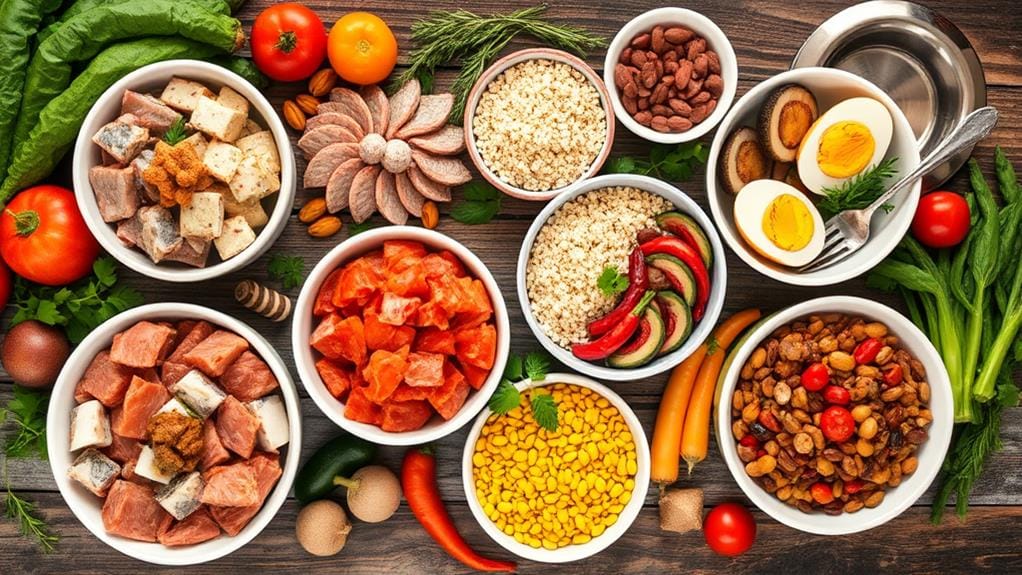
When it comes to feeding your Bulldog puppy, understanding their unique nutritional needs is crucial for healthy growth and development. Bulldog puppies require a minimum of 22% protein in their diet to support their stocky frame and muscle development. A balanced diet should also include essential nutrients—vitamins A, B, C, D, E, K, along with minerals like calcium and phosphorus.
During their growth phase, they typically consume ½ to 1 cup of food daily, which increases as they mature. Shifting from mother's milk to solid food should occur around 3-4 weeks of age. Regular veterinary check-ups are important to monitor their health and adjust dietary needs, helping prevent potential health problems in adult Bulldogs as they grow.
High-Protein Food Options

When it comes to feeding your Bulldog puppy, high-protein food options are essential for their growth and muscle development. You'll want to focus on quality protein sources like chicken, beef, fish, and lamb, while also considering the importance of balanced fat content for energy and skin health. Additionally, incorporating nutrient-dense additives can further enhance their diet, ensuring they receive the necessary nutrition for peak health.
Recommended Products

PUPPY MILK REPLACEMENT - The next best to Mother’s milk, Goat’s Milk Esbilac is made with whole goat milk protein for puppies with sensitive digestive systems. It provides all the nutritional elements necessary for puppies, newborn to six weeks old.

Supports a Strong Immune System: Our powerful blend of Turkey Tail mushrooms and Beta-Glucan helps promote everyday wellness and immune defense for dogs of all breeds.

FREEZE DRIED RAW MEAT: Kibble in the Raw locks in the nutrients and flavor of raw meat through our freeze-dried process. Unlike traditional kibble, it delivers optimized nutrition and digestibility without high-heat cooking and overprocessing.
Essential Protein Sources
For Bulldog puppies, essential protein sources are vital for supporting their growth and muscle development. These high-quality proteins, including chicken, beef, turkey, lamb, and fish, provide the necessary amino acids for building muscle mass. Aim for a minimum of 22% protein content in their diet to meet their specific needs.
Additionally, incorporating omega fatty acids from sources like fish oil can enhance skin health and energy levels. You might consider raw food or home-cooked diets, but guarantee they maintain a balanced nutritional profile to meet your puppy's unique requirements.
| Protein Source | Benefits | Recommended Form |
|---|---|---|
| Chicken | High in amino acids | Cooked or raw |
| Beef | Rich in iron and protein | Cooked |
| Fish | Contains omega fatty acids | Fresh or oil |
| Turkey | Lean protein source | Cooked |
| Lamb | Good for muscle development | Cooked |
Balanced Fat Content
A balanced fat content is crucial for Bulldog puppies, as it plays a critical role in their overall growth and health. Aim for a minimum of 8% fat in their diet, which supports energy absorption and contributes to muscle development. Healthy fats, particularly Omega-3 and Omega-6, are important for maintaining healthy skin and coat, enhancing cell function, and promoting Bulldogs' health.
To guarantee ideal muscle development, incorporate high-quality protein sources like chicken, beef, and fish. Regularly monitor caloric intake, targeting 25-30 calories per pound of body weight. This approach helps prevent obesity, making sure your puppy maintains a healthy physique while enjoying the benefits of balanced fat content and high-quality protein in their meals.
Nutrient-Dense Additives
Maintaining a balanced fat content and high-quality protein is just the beginning when it comes to optimizing your Bulldog puppy's nutrition. High-protein food options should feature real meat sources like chicken, beef, turkey, and fish, ensuring a minimum of 22% protein.
Consider these nutrient-dense additives:
- Fish Oil: Rich in Omega-3 fatty acids, it supports skin health and aids muscle recovery.
- High-Quality Treats: Freeze-dried liver or chicken can promote muscle growth and enhance energy levels.
- Cooked Eggs: These are great for providing protein and essential amino acids.
- Natural Supplements: Probiotics improve digestion and nutrient absorption, making high-protein diets even more effective for Bulldog puppies.
Incorporating these options can greatly boost your puppy's overall health.
Feeding Schedules for Puppies

Establishing a consistent feeding schedule is essential for your bulldog puppy's growth and development.
- Shifting to Solid Food: Start introducing solid food around 3-4 weeks, beginning with a 3:1 ratio of water to kibble, progressing to solid food by week 6.
- Weaning and Meal Frequency: By 9 weeks, your puppy should be eating three meals daily, weighing between 9-12 pounds.
- Fixed Feeding Schedule: Aim for a fixed schedule by week 10, changing to 3-4 meals daily by week 11 to support their rapid growth.
- Caloric Needs: Regularly assess your puppy's weight and caloric needs, ensuring they receive about 25-30 calories per cup of high-protein food as their energy requirements increase.
This structured approach will promote healthy development and robust growth.
Recommended Products

OPTIMAL MUSCLE & WEIGHT GAIN: Bully Max 30/20 High Protein Beef Dry Dog Food delivers 30% protein, 20% fat, and 530 calories per cup to support muscle growth, healthy weight gain, and lasting energy. Ideal for active, working, and underweight dogs, its calorie-dense formula helps reduce serving sizes while powering performance for small and large breed dogs.

Nutro Dog Food with Ultra Difference: Nutro Ultra Large Breed Puppy High Protein Dry Dog Food provides high-quality ingredients like our trio of animal proteins and exclusive blend of 14 superfoods to deliver flavor & gourmet nutrition your pet will love

Quality Dog Food Dry Recipe: This Nutro Ultra Dog Food dry recipe is made with non-GMO ingredients; no chicken by-product meal, corn, wheat, or soy
Transitioning to Adult Diet

As your bulldog puppy reaches around 12 months of age, it's time to shift from puppy food to an adult diet. This change is essential for maintaining your dog's health and preventing weight gain. Puppy food is higher in calories, supporting rapid growth, while an adult diet focuses on sustaining muscle and overall well-being.
Shifting Tips:
- Gradual Changes: Mix increasing amounts of adult food with decreasing amounts of puppy food over 7-10 days to minimize digestive upset.
- Protein Balance: Adult Bulldog diets typically contain around 18% protein and 5% fat, compared to puppy food's 22% protein and 8% fat.
- Monitor Weight: Keep an eye on your bulldog's weight, adjusting portion sizes as needed.
- Consult Your Veterinarian: Discuss the best adult food options based on your dog's unique health and activity level.
Raw vs. Commercial Dog Food
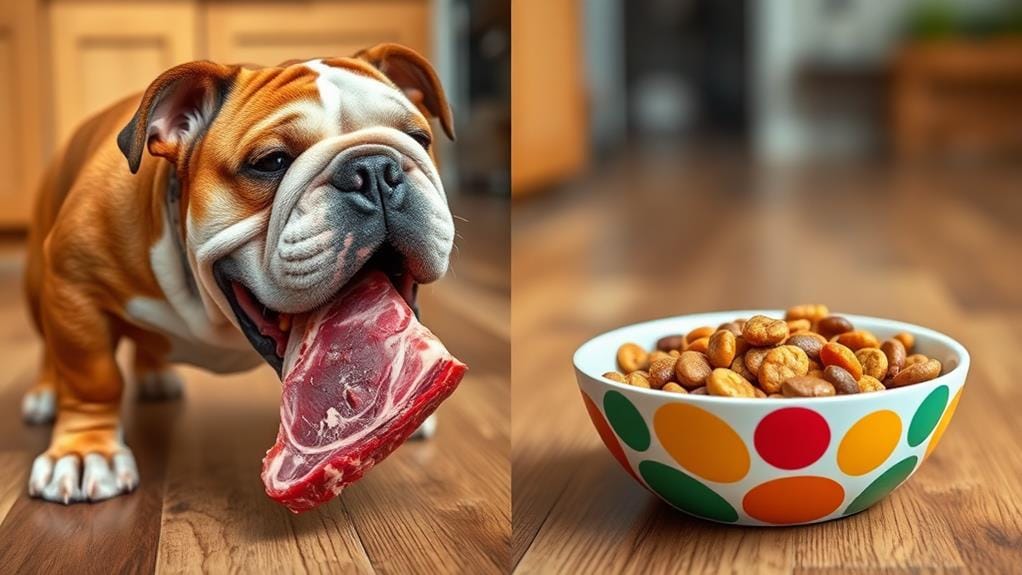
Choosing the right diet for your bulldog puppy is essential for their growth and health. You'll often weigh the benefits of raw dog food against commercial dog foods.
Raw Dog Food:
- Rich in high-quality proteins and natural fats.
- Promotes muscle development and supports digestive health.
- Can improve skin and coat conditions due to higher moisture content.
Commercial Dog Foods:
- Tailored, like Royal Canin Bulldog Adult, to meet unique nutritional needs of Bulldog puppies.
- Offers a balanced mix of proteins, fats, and carbohydrates.
- Convenient and widely available.
Transitioning from raw to commercial diets should be gradual, as sudden changes can lead to digestive issues. Always verify your puppy's nutritional needs are met throughout their growth phases.
Recommended Products

Sturdy Integrated Design: Our two-tier 31 inch dog crate for small dogs features an integrated design (Non-separable crate), providing exceptional stability and reducing the tipping or wobbling. The overall dimensions are 31"L x 20.3" Wx 45.67"H, with each tier measuring 18.1" in height, accommodating pets up to 45 pounds per tier. This vertical space-saving design is ideal for breeders, kennels, multi-pet households, pet hospitals, and groomers

Rawz Meal Free Dry Dog Food
Supplements for Optimal Health
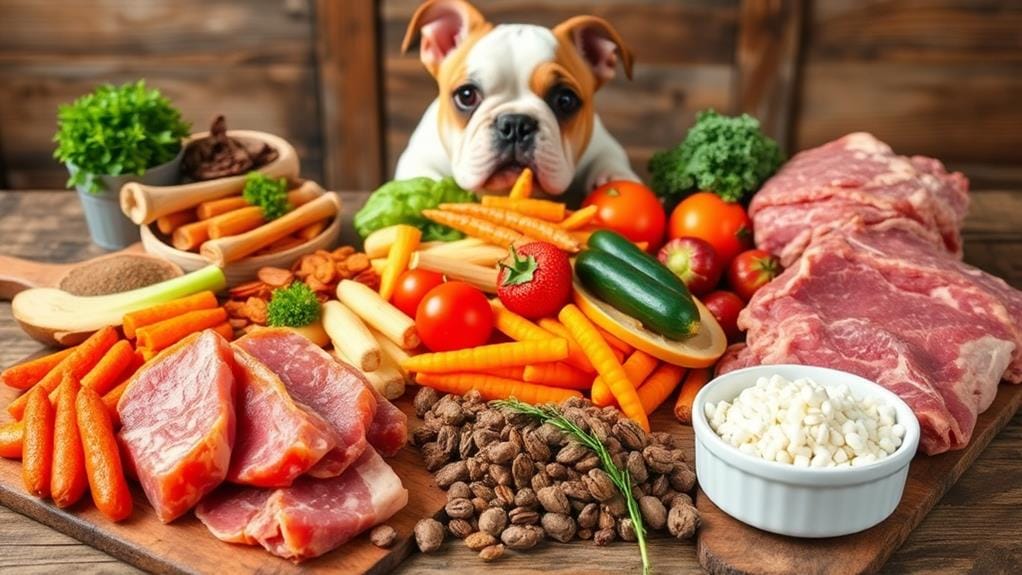
While guaranteeing your bulldog puppy gets a balanced diet is key, incorporating supplements can further enhance their health and development. Essential nutrients like omega-3 fatty acids promote healthy skin and coat, while calcium and phosphorus are vital for strong bones. Vitamins A, B, C, D, E, and K support immune function and overall well-being.
| Nutrient | Benefits |
|---|---|
| Omega-3 Fatty Acids | Enhances skin and coat |
| Calcium | Supports bone development |
| Phosphorus | Works with calcium |
| Vitamins (A, B, C, D, E, K) | Boosts immune function |
| ProDog Supplements | Adds missing nutrients |
Consider natural raw food diets, which can be tailored with specific supplements to guarantee your bulldog maintains a well-rounded nutritional profile.
Recommended Products

High-Protein, Growth-Focused Formula: Bully Max 24/14 Puppy Dry Food with lamb and rice offers a protein-rich meal with 419 calories per cup, supporting puppies’ energy and growth needs.

Cat/Dog Skin and Coat Supplement: Relieve your pet from rashes, itchy skin & hot spots with Ultra Oil’s hemp & liquid fish oil for pets. Simply pump into their meal(s) for healthy skin & fur that shimmers!

LARGE BREED PUPPY FOOD: Royal Canin Large Breed Dry Puppy Food for puppies 2 to 15 months with an expected adult weight of 56 to 100 lbs
Weight Management Strategies

When managing your Bulldog puppy's weight, monitoring caloric intake is essential for preventing obesity while supporting healthy growth. Aim for approximately 25-30 calories per pound of body weight, and implement portion control techniques by offering structured meals throughout the day. Regularly evaluating your puppy's weight and adjusting their diet based on their activity levels will guarantee they're on the right track for peak health.
Recommended Products
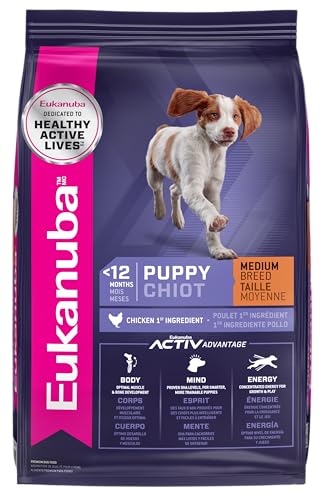
FOR MEDIUM BREED PUPPIES: Eukanuba Puppy Medium Breed Dry Dog Food is complete and balanced nutrition for medium breed puppies up to 12 months old with an expected adult weight between 24 to 54 lb

Hill's Prescription Diet z/d Hydrolyzed Dry Dog Food is specially formulated by Hill’s nutritionists and veterinarians to manage dogs' food sensitivities.

Radiant Skin & Coat: Nutro Ultra Adult High Protein Natural Dog Food dry recipe contains Omega 3 & 6 fatty acids for healthy skin and a radiant coat
Caloric Intake Monitoring
Monitoring your Bulldog puppy's caloric intake is essential to keep their growth on track and prevent obesity. Regularly check their weight, aiming for the ideal range of 9-12 pounds by 9 weeks. Adjusting caloric intake will support their healthy development.
- Puppies typically require 3-4 meals daily by week 11, providing sustained energy and muscle growth.
- Limit treats to avoid excessive calorie intake, ensuring total daily calories match your puppy's activity level.
- Consult your vet regularly to assess weight and make necessary dietary adjustments for peak health.
Portion Control Techniques
Implementing portion control techniques is essential for managing your Bulldog puppy's weight effectively. Start by following the recommended daily feeding amounts of ½ to 1 cup of high-protein puppy formula, which can increase to 2-4 cups as your puppy grows. Divide meals into 3-4 portions daily to enhance digestion and energy levels.
Use measuring cups to accurately portion out food, ensuring you maintain control over calorie intake. Remember to limit treats to no more than 10% of your puppy's daily caloric intake to prevent excessive weight gain. Regular veterinarian consultation is vital to assess your puppy's growth and adjust food portions based on activity level and overall health, helping achieve and maintain a healthy weight.
Monitoring Health and Growth

From the moment you bring a Bulldog puppy home, keeping an eye on their health and growth is vital. Regular weight assessments should be conducted, ensuring they gain 1-2 pounds weekly during their initial months. Your feeding schedule should consist of 3-4 meals daily, adjusting portions based on their weight, size, and activity level to prevent obesity and promote healthy muscle development.
Aim for a caloric intake of 25-30 calories per pound of body weight, emphasizing high-quality protein sources for ideal growth.
Veterinary check-ups play an important role in monitoring health and growth patterns, allowing for necessary dietary adjustments. Tracking their growth against standard weight ranges—9-12 pounds at 9 weeks and 12-18 pounds at 12 weeks—can help identify potential health issues early on.
Frequently Asked Questions
What Is the Best Diet for an English Bulldog Puppy?
For your English bulldog puppy's growth, focus on balanced nutrition with high-quality protein. Maintain a feeding schedule, monitor meal portions, guarantee hydration, and consult your vet for allergy awareness and weight management. Healthy treats can support digestive health.
What Food Is Good for French Bulldogs Muscle?
For your French Bulldog's muscle growth, focus on high-quality protein sources and muscle building foods. Maintain nutrient balance with healthy treats, guarantee proper meal portions, and monitor weight management to support digestive health and avoid food allergies.
Do Bulldogs Need Elevated Food Bowls?
Do Bulldogs need elevated bowls? They can improve feeding posture, aid digestion, and enhance food accessibility, especially for puppies and those with joint issues. However, consider breed differences and health risks before making feeding recommendations.
What Protein Is Best for English Bulldogs?
Did you know 22% protein's essential for your English Bulldog's muscle development? Focus on high-quality protein sources, like chicken or fish, while managing meal portioning and feeding frequency for ideal digestive health and energy levels.