As an Amazon Associate, we earn from qualifying purchases. Some links on this site are affiliate links at no extra cost to you. Our recommendations are based on thorough research and editorial judgment.


What’s the Ideal Meat Balance for Your Pup?

For your dog's ideal diet, aim for a meat balance of 60-75% meat, complemented by 10-15% raw meaty bones (RMB). This guarantees a complete amino acid profile and provides essential nutrients like calcium and phosphorus. It's important to incorporate a variety of protein sources, including chicken, beef, fish, and lamb, to prevent sensitivities and provide balanced nutrition. Monitor your dog's weight regularly to avoid obesity-related health issues, and consider gradual shifts when introducing new diet components. Maintaining this balance is essential for your pup's health and vitality, and you'll discover further insights on enhancing their nutrition.
Key Takeaways
- Aim for a meat ratio of 60-75% in your pup's diet to ensure a complete amino acid profile.
- Incorporate 10-15% raw meaty bones (RMB) for essential nutrients like calcium and phosphorus.
- Include a variety of protein sources such as chicken, beef, fish, and lamb to prevent sensitivities and promote balanced nutrition.
- Add 5-10% internal organs to provide vital vitamins and minerals for overall health.
- Monitor your dog's response to diet changes to maintain digestive health and adjust portions as needed.
Understanding Bulldog Nutritional Needs
You may be interested


When you think about your bulldog's health, understanding their nutritional needs is vital. Bulldogs require a balanced diet with about 22% protein to support their muscular build and overall well-being. Here are some key points to reflect on:
- Protein Sources: Include a variety of meats like chicken, beef, and fish to provide all essential amino acids and prevent food sensitivities.
- Raw Meaty Bones (RMB): Aim for 10-15% of their diet, as these offer significant calcium and phosphorus for strong bones and teeth.
- Weight Management: Monitor your dog's weight closely, adjusting feeding portions to combat obesity, which can lead to joint and respiratory issues.
Importance of Protein Sources
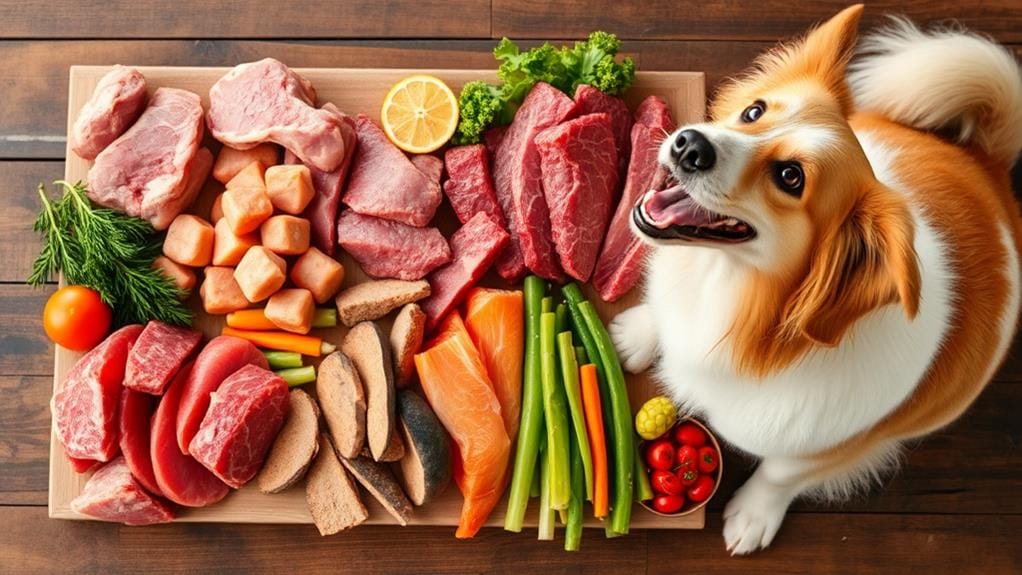
A balanced diet for your bulldog hinges on the quality of protein sources you choose. Animal protein offers higher essential amino acid content, making it more suitable for your furry friend. Here are some excellent protein sources to take into account:
- Goat Meat: Lower in calories and higher in iron, it's a great nutritious option.
- Venison: Packed with B vitamins, zinc, and iron, it's ideal for dogs with food allergies or gastrointestinal concerns.
- Lamb: Highly digestible and commonly found in commercial pet food, it's perfect for sensitive pups.
- Fish: A solid protein source, rich in omega-3 fatty acids to support skin and coat health.
Choosing these protein sources guarantees your bulldog receives the nutrition they need to thrive.
Recommended Meat Ratios
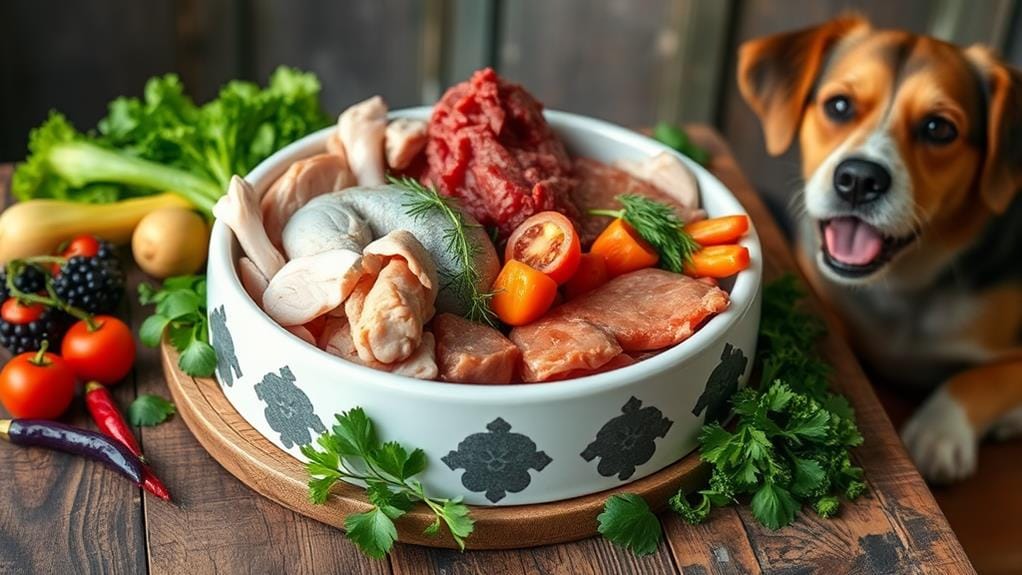
When planning your pup's diet, it's vital to understand the recommended meat ratios for peak health. Ideally, your dog's food should consist of 60-75% meat, along with a variety of protein sources to guarantee a complete amino acid profile. Additionally, incorporating 10-15% raw meaty bones and 5-10% internal organs will help provide essential minerals and vitamins necessary for overall well-being.
Ideal Meat Composition
Achieving the ideal meat composition for your pup's raw diet is essential for their health and well-being. A balanced meat ratio is critical to meet your dog's nutritional needs. Here's a recommended breakdown:
- Muscle Meat: 60-75% – This provides essential proteins and amino acids needed for growth and maintenance.
- Raw Meaty Bones (RMB): 10-15% – Important for a proper balance of calcium and phosphorus, promoting bone health.
- Internal Organs (Offal): 5-10% – Nutrient-dense, offering essential vitamins, including vitamin A and B vitamins.
- Overall Balance: Aim for dietary variation over weeks, ensuring a well-rounded dogs diet that meets their nutritional needs without monotony.
Variety in Protein Sources
Variety is key to a healthy raw diet for your pup. A balanced raw diet should consist of 60-75% muscle meat, 10-15% raw meaty bones (RMB), and 5-10% internal organs. This combination guarantees all essential amino acids are met while supporting your dog's dental health and providing necessary minerals like calcium and phosphorus.
Incorporating different protein sources such as beef, chicken, turkey, lamb, and fish offers a broader range of nutrients. Remember to shift gradually to new protein sources to avoid digestive upset.
Consider the following ratios for a balanced diet:
- Muscle Meat: 60-75%
- Raw Meaty Bones: 10-15%
- Internal Organs: 5-10%
This variety in protein sources will help keep your pup healthy and happy.
Balancing Raw and Cooked Diets

When it comes to balancing raw and cooked diets for your dog, understanding the benefits of each is essential. Raw meat offers important nutrients that can enhance overall health, while cooked food can improve digestibility but may reduce some critical nutrients. By strategically mixing these diets and monitoring your dog's response to dietary changes, you can create a balanced meal plan that meets their individual needs.
Raw Meat Benefits
A well-balanced raw meat diet can provide numerous benefits for your pup, particularly when combined with cooked foods. By incorporating a raw meat diet, you guarantee your dog receives crucial nutrients that promote overall health. Here are some key benefits:
- High-Quality Protein: Raw meat offers superior protein sources, necessary for muscle health.
- Improved Digestion: A balanced raw diet can enhance your dog's digestive system, making nutrient absorption more efficient.
- Healthier Skin and Coat: The right ratios of meat, bones, and organs support a shiny, healthy coat.
- Transitioning Made Easy: Gradually incorporating raw elements allows your pup's system to adapt comfortably.
When you focus on appropriate ratios, you help your furry friend thrive with energy and liveliness.
Cooked Food Considerations
Balancing raw and cooked diets can be a great way to enhance your pup's nutrition. Incorporating cooked food allows for a variety of nutrients while ensuring the ideal meat balance. Here's a quick reference table to help you:
| Component | Percentage |
|---|---|
| Raw Meat | 60-75% |
| RMB (Raw Meaty Bones) | 10-15% |
| Internal Organs | 5-10% |
When introducing cooked foods, consider cooking methods that retain moisture, like steaming or slow-cooking, to improve digestibility. Gradual changes are vital to avoid digestive upset; start with a 70% raw to 30% cooked ratio. Remember, high-temperature cooking can diminish essential amino acids and nutrients important for your pup's health. A well-planned feeding schedule will help maintain ideal nutrition.
Mixing Diet Strategies
Over time, many pet owners have discovered the benefits of mixing raw and cooked diets for their dogs. Achieving a balanced meat balance can enhance your pup's overall health. Here are some guidelines to reflect on:
- Aim for 60-75% meat, incorporating various proteins like chicken, beef, lamb, and fish for nutritional variety.
- Include raw meaty bones (RMB) as 10-15% of the total diet to provide essential nutrients.
- Shift gradually between raw and cooked diets to prevent digestive upset, closely monitoring your dog's response.
- Remember that while cooking may improve digestibility for some dogs, it can also reduce certain nutrients, so maintain careful balance.
Transitioning to a High-Protein Diet
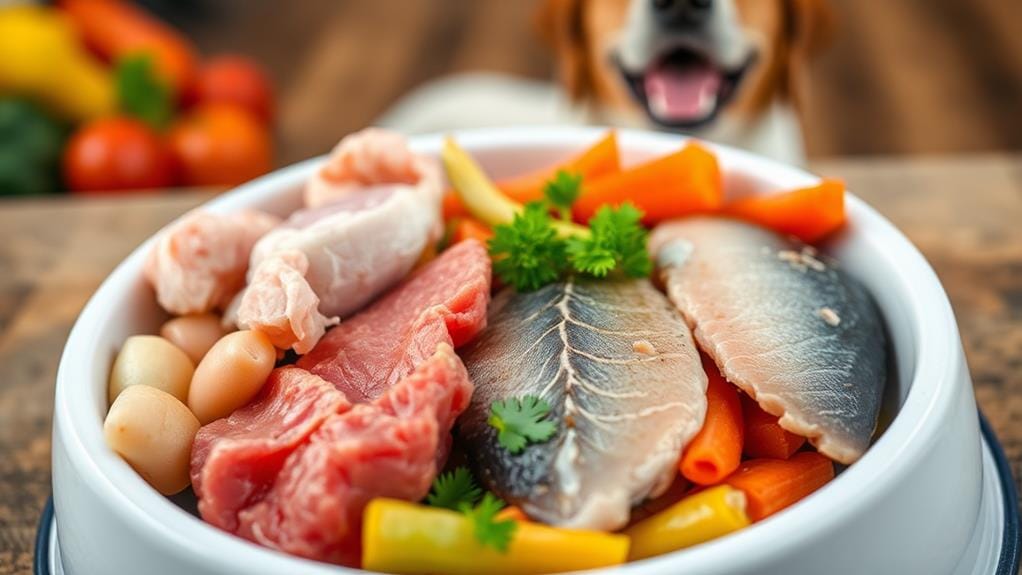
Changing to a high-protein diet can be a rewarding experience for your pup, but it's important to do it gradually. Start by mixing 10-20% of the new protein sources with their current food to avoid digestive upset.
Here's a suggested balance for adapting:
| Protein Source | Portion Size (%) | Example Sources |
|---|---|---|
| Muscle Meat | 60-75% | Chicken, Beef, Lamb |
| Raw Meaty Bones (RMB) | 10-15% | Chicken necks, Beef ribs |
| Internal Organs | 5-10% | Liver, Heart |
Monitor your pup's weight and adjust portion sizes, typically feeding 2-3% of their ideal body weight daily. Make sure fresh water is always available, as hydration needs may increase with a high-protein diet.
Supplements for Bulldog Nutrition
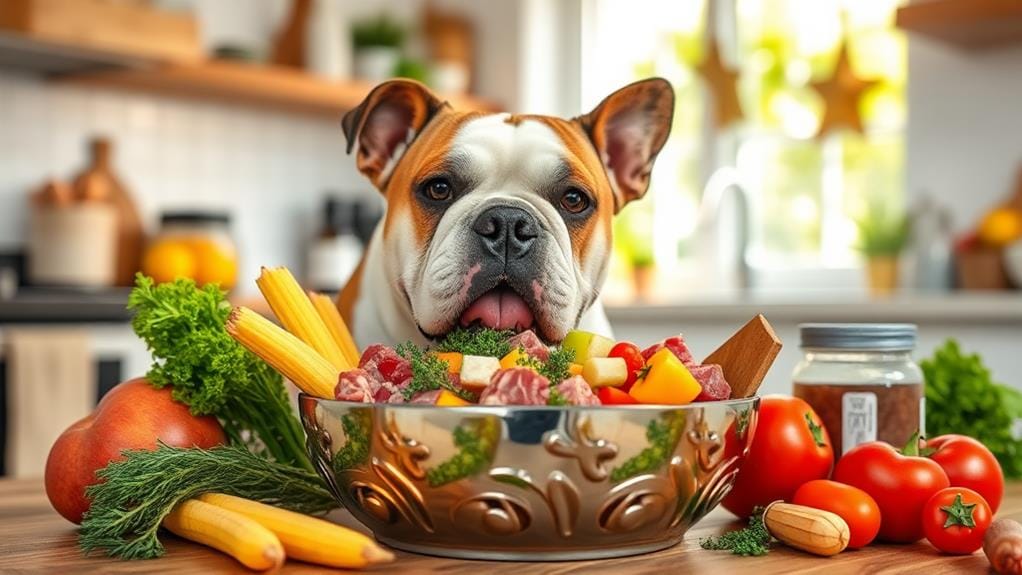
As you focus on your bulldog's high-protein diet, it's important to reflect on how supplements can enhance their overall nutrition. Bulldogs often have unique health needs, so incorporating specific supplements can be beneficial. Here are a few to take into account:
- Fish Oil: Rich in omega-3 fatty acids, it can reduce inflammation and improve skin health.
- Probiotics: These aid digestion and support gut health, addressing gastrointestinal issues common in bulldogs.
- Joint Health Supplements: Products containing glucosamine and chondroitin can help prevent hip dysplasia and arthritis.
- Vitamin E: This supports immune function and promotes a healthy coat, addressing skin conditions that bulldogs may face.
Always consult with a veterinarian before adding any supplements, as each bulldog's needs can vary greatly.
Monitoring Your Bulldog's Health

Monitoring your bulldog's health is vital to guarantee they thrive and live a long, happy life. Regular veterinary check-ups are essential for early detection of health issues, such as hip dysplasia and skin conditions, which can be influenced by diet.
- Weight Management: Keep an eye on your bulldog's weight to prevent obesity. Adjust food portions based on their body condition score.
- Diet: A balanced raw diet is beneficial, ideally with a meat-to-bone ratio of 60-75% meat and 10-15% raw meaty bones.
- Hydration: Make sure fresh water is available at all times to support kidney function.
- Digestive Health: Monitor stool quality; firm, well-formed stools indicate that their nutritional needs are being met.
Tips for Choosing Quality Meat
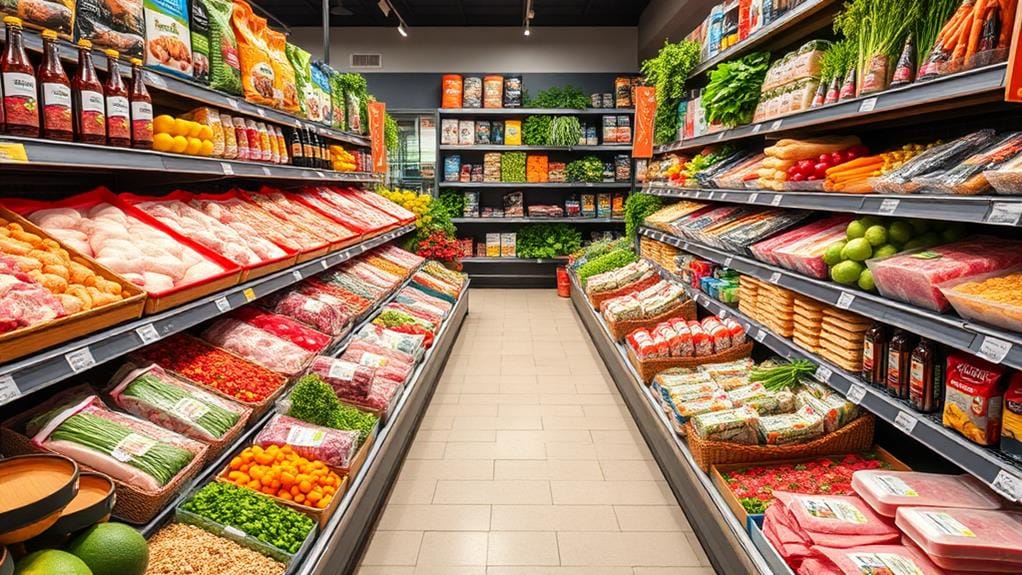
Choosing the right meat for your bulldog is a key part of maintaining their health and supporting their overall well-being. To guarantee you're selecting the best options, consider these tips:
- Opt for high-quality, organic meats: This guarantees your pup receives essential nutrients without harmful additives.
- Incorporate a variety of protein sources: Include chicken, beef, lamb, fish, and organ meats for a balanced amino acid profile.
- Choose raw meaty bones (RMB): They provide essential fatty acids and promote dental health through natural chewing.
- Look for human-grade options: Fresh meats help maintain your bulldog's healthy weight while offering the protein they need.
Frequently Asked Questions
How Much Meat Should a Puppy Eat?
For healthy puppy growth, aim for 60-75% meat in their diet. Introduce varied protein sources, adjust portion sizes, and maintain a meal frequency of 4-6 times daily to support their nutritional needs and digestive health.
What Is a Balanced Meat Diet for Dogs?
You're on the brink of transforming your dog's life! A balanced meat diet includes raw feeding, diverse protein sources, and essential nutrients. Pay attention to portion sizes, meal frequency, and cooking methods for ideal digestion and health benefits.
How Much Meat Should I Feed My Dog Chart?
When considering how much raw meat to feed your dog, follow feeding guidelines that emphasize protein sources, portion sizes, and dietary balance. Regular meals promote weight management and health benefits, ensuring your pup thrives.
Is Too Much Meat Bad for Puppies?
Too much meat can strain your pup's digestion and overall health. It's essential to balance protein sources for their growth stages, ensuring nutritional needs are met without risking meat allergies or obesity compared to kibble or raw diets.