As an Amazon Associate, we earn from qualifying purchases. Some links on this site are affiliate links at no extra cost to you. Our recommendations are based on thorough research and editorial judgment.

Why Are Bulldogs Prone to Food Allergies?

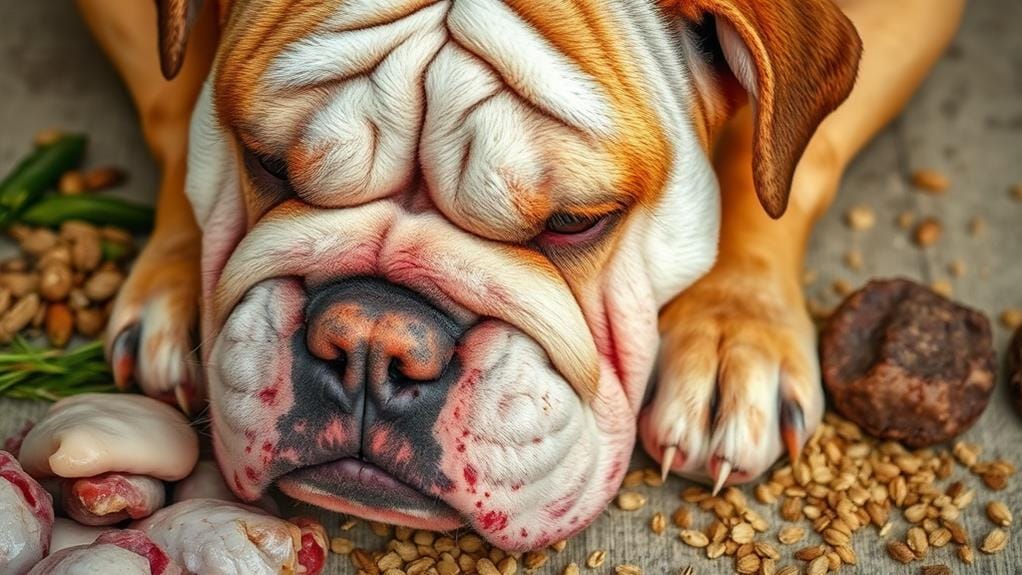
Bulldogs are prone to food allergies due to their genetic predisposition and limited genetic diversity. These factors weaken their immune system, making them more susceptible to allergic reactions. Common allergens for Bulldogs include proteins like chicken and beef, grains such as corn and wheat, and dairy products. Symptoms can range from skin issues like itching and hair loss to gastrointestinal problems like vomiting and diarrhea. Diagnosing food sensitivities often requires an elimination diet, carefully monitored by a veterinarian. By understanding these factors and implementing proper dietary management, we can help Bulldogs lead healthier, more comfortable lives. Let's explore the specifics of managing and preventing food allergies in this beloved breed.
Key Takeaways
- Bulldogs have a genetic predisposition to allergic conditions, including food allergies.
- Limited genetic diversity within the breed weakens their immune system robustness.
- Family history of allergies correlates with a higher likelihood of developing food sensitivities in Bulldogs.
- Bulldogs are prone to allergies due to their sensitive skin and compromised digestive systems.
- Common food allergens for Bulldogs include proteins like chicken and beef, as well as grains and dairy products.
Genetic Predisposition to Allergies
You may be interested



When it comes to Bulldogs, their genetic makeup plays a significant role in their susceptibility to allergies. We've found that these adorable pups have a genetic predisposition to various allergic conditions, including food allergies and atopic dermatitis. This tendency stems from their unique immune system responses, which can overreact to common allergens.
Studies have revealed that Bulldogs may inherit specific genes that increase their vulnerability to allergies. The limited genetic diversity within the breed contributes to this issue, potentially weakening their immune system's robustness. We've also observed that Bulldogs with a family history of allergies are more likely to develop food sensitivities themselves.
Interestingly, genetic factors can influence the types of food allergies Bulldogs experience. Common triggers often include proteins like chicken and beef, highlighting the importance of careful dietary management for these lovable companions.
Common Food Allergens for Bulldogs
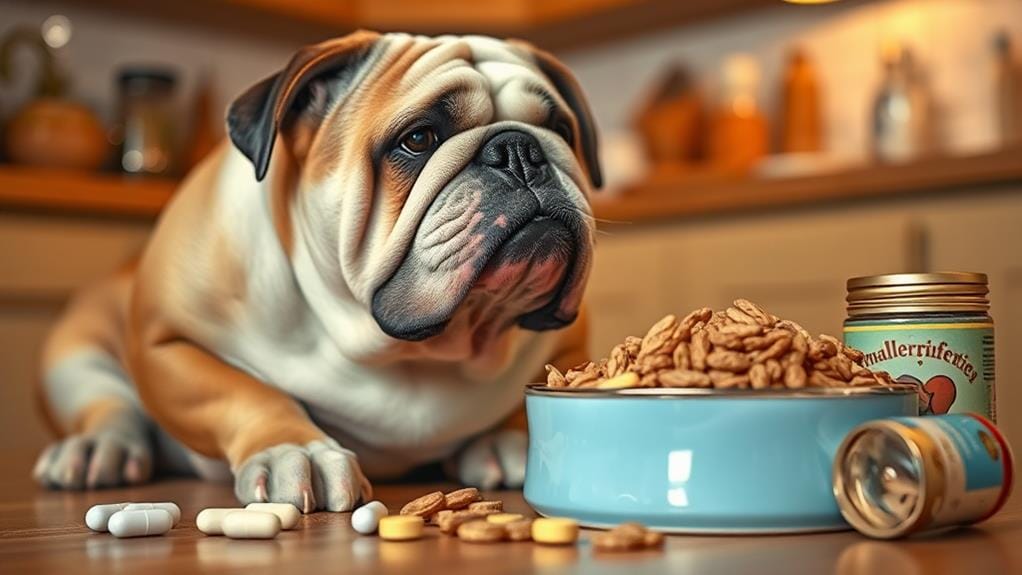
Among the various health concerns that Bulldogs face, food allergies rank high on the list. English Bulldogs are particularly susceptible to food allergies, which can manifest as skin irritations and gastrointestinal issues. Common food allergens for Bulldogs include:
- Proteins: chicken, beef, and pork
- Grains: corn and wheat
- Dairy products: milk and eggs
- Other ingredients: artificial additives and preservatives
These allergens can trigger symptoms such as itching, hair loss, vomiting, and diarrhea. To address these issues, we often recommend an elimination diet to identify specific triggers. This process involves removing potential allergens from the dog's diet and gradually reintroducing them to pinpoint the culprit. It's vital for Bulldog owners to be vigilant about their pet's diet and work closely with a veterinarian to manage food allergies effectively.
Symptoms of Food Allergies
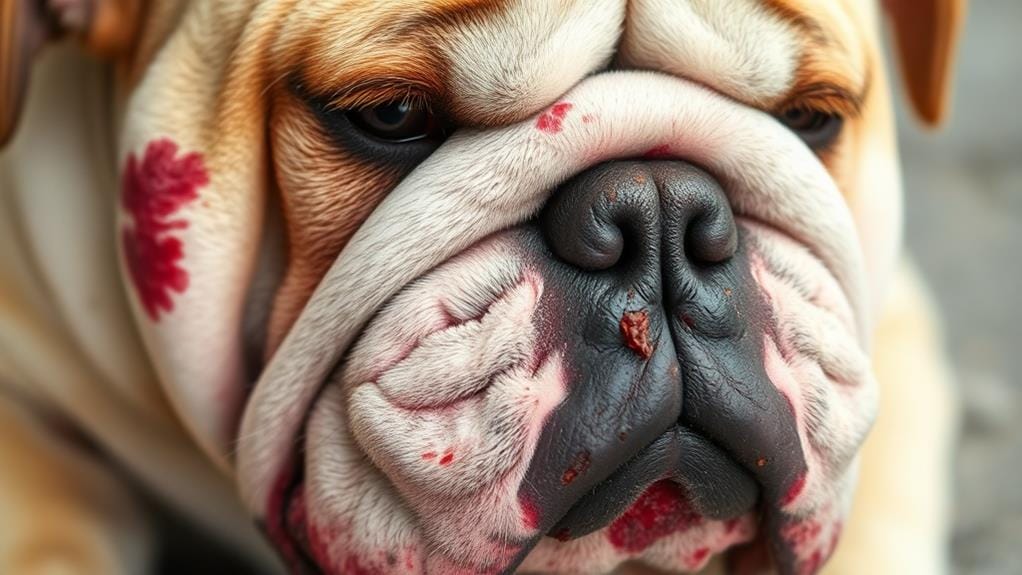
Three distinct categories of symptoms typically indicate food allergies in Bulldogs: skin issues, gastrointestinal problems, and chronic ear infections. Let's focus on the first two categories, as they're the most common. When it comes to a Bulldog's skin, we often see itching, hair loss, and redness (erythema). These symptoms can lead to secondary infections if left untreated. Gastrointestinal problems are another telltale sign of food allergies in our wrinkly friends. We might observe vomiting, diarrhea, excessive gas, and abdominal pain. It is crucial to recognize that persistent dermatitis, characterized by flaky skin and seborrhea, often points to food allergies rather than environmental factors. While allergy symptoms can appear at any age, many Bulldogs start showing signs within their first year of life.
Diagnosing Bulldog Food Sensitivities

Recognizing the complexity of food sensitivities in Bulldogs, veterinarians often employ a multi-step approach to diagnosis. We begin with a thorough examination to rule out other health issues and assess symptoms. Diagnosing food allergies typically involves an elimination diet, considered the gold standard for identification. This process requires strict adherence to hypoallergenic foods for 2-3 weeks while monitoring for symptom improvement.
To effectively diagnose Bulldog food sensitivities, we follow these steps:
- Conduct a detailed veterinary examination
- Implement an elimination diet with hypoallergenic foods
- Monitor symptoms and track any allergic reactions
- Evaluate dietary components for nutritional adequacy
Persistent dermatitis, especially when present year-round, suggests prioritizing food allergies during diagnosis. We avoid costly serum allergen tests, as they're not reliably endorsed for food allergies. Instead, we focus on food trials to facilitate accurate diagnosis and treatment.
Elimination Diets for Bulldogs

When implementing an elimination diet for Bulldogs, we'll start by removing common allergens and introducing novel protein sources for 8 to 12 weeks. We'll need to carefully select allergen-free food options, ensuring they meet our Bulldog's nutritional needs while avoiding potential triggers. Throughout the process, we'll closely monitor our dog's progress, watching for improvements in symptoms and any reactions to the new diet.
Implementing Elimination Diet Protocol
Implementing an elimination diet for Bulldogs requires careful planning and dedication. We'll need to remove common allergens like chicken, beef, corn, and wheat from our dog's diet for 8-12 weeks. During this time, we'll introduce only hypoallergenic or novel protein sources, such as duck or rabbit, while carefully monitoring for symptoms of food allergies.
To successfully implement an elimination diet protocol:
- Consult with a veterinarian to guarantee nutritional adequacy
- Remove all potential allergens from the diet
- Introduce only one novel protein source at a time
- Observe and document any changes in symptoms
Throughout the process, we'll need to be vigilant in monitoring our Bulldog's response to the elimination diet, watching for improvements in itching, gastrointestinal issues, or skin irritations. This careful observation will help us pinpoint specific allergens when we reintroduce foods one at a time.
Identifying Allergen-Free Food Options
To successfully identify allergen-free food options for our Bulldogs, we'll need to carefully select novel protein sources and carbohydrates that haven't been part of their previous diet. This process, known as an elimination diet, typically involves choosing a single protein like duck or lamb, paired with a new carbohydrate such as sweet potatoes. It's essential we maintain this diet for 8-12 weeks, removing all treats and additional food sources to guarantee a controlled environment. During this period, we'll monitor our Bulldog's symptoms, documenting any changes in skin condition or gastrointestinal health. This information will be invaluable for our veterinarian in evaluating the diet's effectiveness. Once the elimination phase concludes, we can gradually reintroduce previous food items, helping us pinpoint specific allergens and develop a tailored, long-term diet plan for our Bulldog.
Monitoring Progress and Reactions
As we commence on an elimination diet for our Bulldog, careful monitoring becomes our primary focus. We'll need to track our pet's progress meticulously over the next 8 to 12 weeks, paying close attention to any changes in symptoms related to food allergies. It's vital to maintain a detailed log of our observations, including:
- Skin issues, such as itching or redness
- Gastrointestinal distress
- Changes in behavior or energy levels
- Any signs of secondary infections
During this period, we'll introduce only a single novel protein source and limited carbohydrates to avoid cross-contamination. Regular veterinary consultations are essential to guarantee our Bulldog's nutritional needs are met and to adjust the elimination diet as necessary. By closely monitoring progress and reactions, we can effectively identify potential allergens and improve our beloved pet's quality of life.
Hypoallergenic Food Options
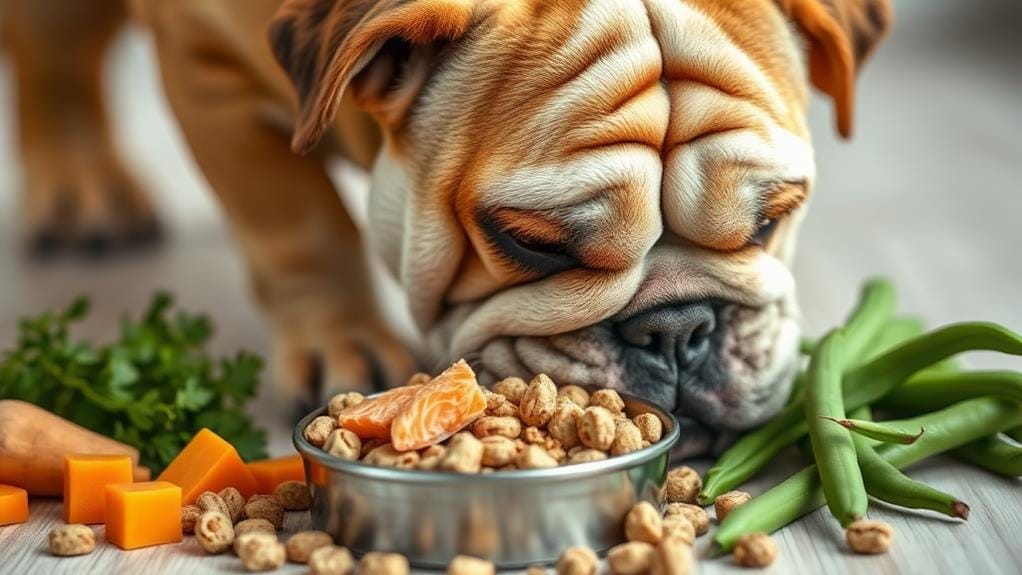
When exploring hypoallergenic food options for Bulldogs, we'll consider three primary approaches: novel protein sources, limited ingredient diets, and hydrolyzed protein formulas. Novel protein sources, such as duck, venison, or fish, can help minimize allergic reactions in Bulldogs sensitive to common proteins like chicken or beef. Limited ingredient diets and hydrolyzed protein formulas offer simplified nutritional profiles, making it easier to identify and avoid specific allergens while still providing balanced nutrition for your Bulldog.
Novel Protein Sources
Bulldogs' dietary needs often require special attention, especially when it comes to food allergies. When selecting hypoallergenic dog food for Bulldogs, novel protein sources play a significant role in managing food allergies. These unique proteins, such as venison, rabbit, or insect-based proteins, are less likely to trigger allergic reactions due to their unfamiliarity to the dog's immune system.
To effectively address food allergies in Bulldogs, we recommend considering the following:
- Choose limited ingredient formulations
- Opt for hydrolyzed proteins
- Incorporate novel carbohydrates like sweet potatoes
- Monitor your dog's response during an elimination diet
Limited Ingredient Diets
Building on the concept of novel protein sources, limited ingredient diets (LIDs) offer another effective approach to managing Bulldogs' food allergies. These hypoallergenic food options typically feature a single, novel protein source and a limited number of ingredients, making it easier to identify and eliminate potential allergens. We recommend following a strict elimination diet for 8-12 weeks to accurately assess your Bulldog's response to the limited ingredients.
| Protein Source | Carbohydrate Source | Duration |
|---|---|---|
| Venison | Sweet Potato | 8 weeks |
| Duck | Peas | 10 weeks |
| Salmon | Quinoa | 12 weeks |
When selecting an LID for your Bulldog, guarantee it's nutritionally balanced to provide all necessary vitamins and minerals while avoiding potential allergens. This approach allows us to pinpoint food sensitivities effectively and tailor your Bulldog's diet accordingly.
Hydrolyzed Protein Formulas
Hydrolyzed protein formulas frequently offer an excellent solution for Bulldogs with severe food allergies. These specialized diets break down proteins into smaller fragments, reducing the likelihood of triggering an immune system response. We recommend a trial period of 8 to 12 weeks to evaluate improvements in skin and gastrointestinal symptoms.
Key benefits of hydrolyzed protein formulas for Bulldogs include:
- Reduced allergen exposure
- Single-source protein options
- Easier digestion and absorption
- Identification of problematic ingredients
When implementing these hypoallergenic food options, it's essential to work closely with a veterinarian to guarantee proper nutritional balance. Regular monitoring and consultation will help determine the diet's effectiveness in managing your Bulldog's food allergies. By using hydrolyzed protein formulas, we can often pinpoint and eliminate allergens, providing relief for sensitive Bulldogs.
Supplements for Allergy Management

When it comes to managing food allergies in Bulldogs, several supplements can play an essential role. We've found that probiotics are particularly beneficial, as they enhance digestive health and boost immune response, potentially helping our Bulldogs manage food allergies more effectively. Omega-3 fatty acids, often sourced from fish oil supplements, can reduce inflammation and improve skin health in our allergic companions.
We've also seen positive results with vitamin E, which acts as an antioxidant and supports skin barrier function. Zinc supplementation is another valuable option, promoting skin healing and reducing dermatitis severity caused by food allergies. For a natural approach, we often recommend quercetin, an herbal supplement with anti-inflammatory properties that may assist in managing allergic reactions in our Bulldogs. These supplements, when used under veterinary guidance, can considerably improve our dogs' quality of life.
Preventing Food Allergies in Bulldogs
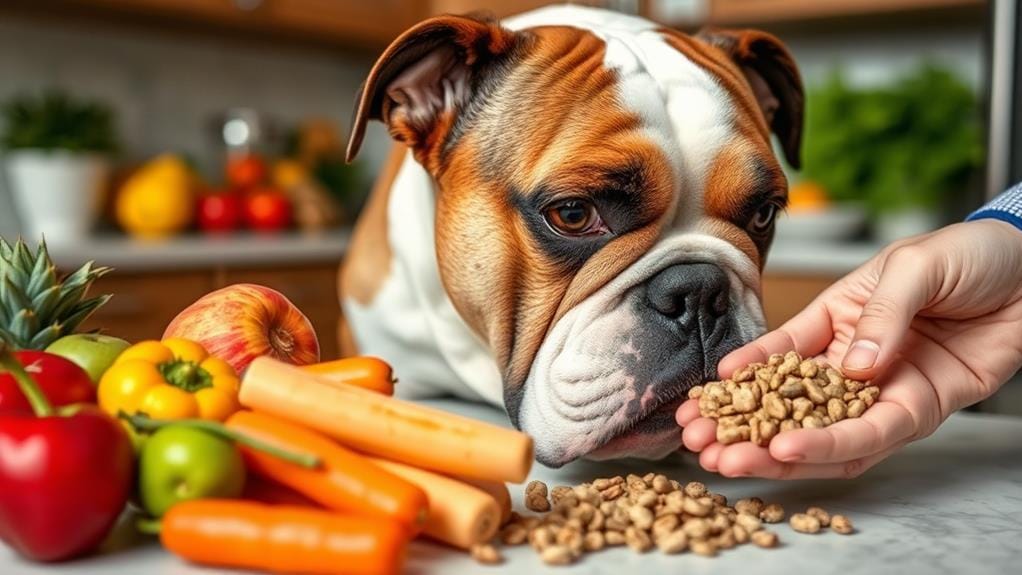
While supplements can help manage existing food allergies, prevention is always the best approach for our Bulldogs. We can take proactive steps to minimize the risk of food allergies developing in our beloved pets. By implementing these strategies, we'll be better equipped to protect our Bulldogs from potential digestive issues and allergic reactions:
- Introduce a hypoallergenic diet to identify and eliminate potential allergens
- Monitor food labels carefully, avoiding common triggers like chicken, beef, corn, and wheat
- Maintain a consistent feeding schedule and avoid table scraps
- Consult a veterinary nutritionist for personalized dietary recommendations
Regular grooming and bathing can also help reduce allergens on our Bulldog's skin and coat. By combining these preventive measures with routine veterinary check-ups, we're taking significant steps towards preventing food allergies and ensuring our Bulldog's ideal health and well-being.
Frequently Asked Questions
What Foods Are Bulldogs Most Allergic To?
The most common culprits are proteins like chicken and beef, along with grains and dairy. If you suspect a food allergy, an elimination diet under veterinary guidance is the most reliable way to identify the specific trigger.
Why Are Bulldogs Allergic to Chicken?
It’s not that all Bulldogs are allergic to chicken specifically – it’s one of the most common proteins in commercial dog food, so it’s also one of the most common allergy triggers simply through frequent exposure. If your Bulldog reacts to chicken, a novel protein your dog hasn’t eaten before is usually the next step.
What Causes Bulldog Allergies?
A combination of factors: genetic predisposition within the breed, a naturally sensitive immune system, and their skin folds, which can trap allergens and irritants. Diet is one piece of a broader picture that includes environmental allergens too.
What Dog Breeds Have the Most Food Allergies?
Labrador Retrievers, Golden Retrievers, German Shepherds, Boxers, and Poodles are commonly cited as breeds with higher rates of reported food allergies, alongside Bulldogs. That said, any breed can develop a food allergy, and individual history matters more than breed alone.