As an Amazon Associate, we earn from qualifying purchases. Some links on this site are affiliate links at no extra cost to you. Our recommendations are based on thorough research and editorial judgment.


How to Potty Train a 4 Month Old French Bulldog

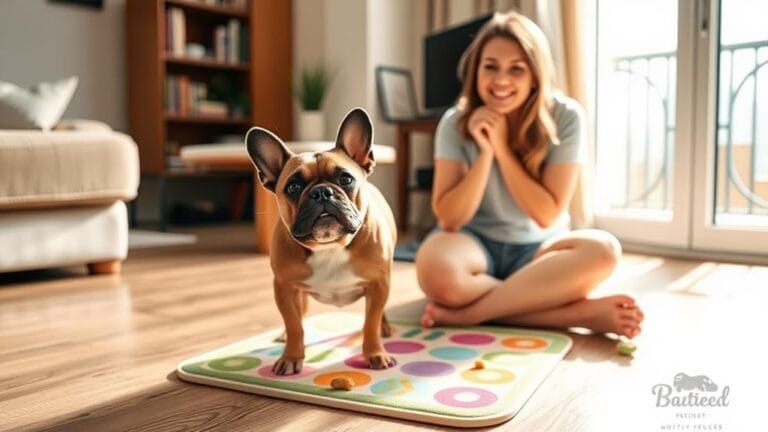
To potty train a 4-month-old French Bulldog, follow a structured approach. Start by establishing a specific outdoor potty area and maintain a fixed feeding schedule to regulate bathroom breaks. Take your puppy outside immediately after meals, naps, and playtime. Schedule outdoor breaks every two hours to minimize accidents. Use a consistent command, like “Go Potty,” to create associations. Train with positive reinforcement, offering treats and praise for successes. Monitor your puppy closely for signs they need to go out, as accidents may signal confusion, not stubbornness. For more effective strategies and insights, you may want to explore further.
Key Takeaways
- Establish a specific outdoor potty spot to create a strong association for your French Bulldog.
- Maintain a fixed feeding schedule to regulate bathroom breaks and prevent accidents.
- Take your puppy outside immediately after meals, naps, and playtime to encourage timely potty breaks.
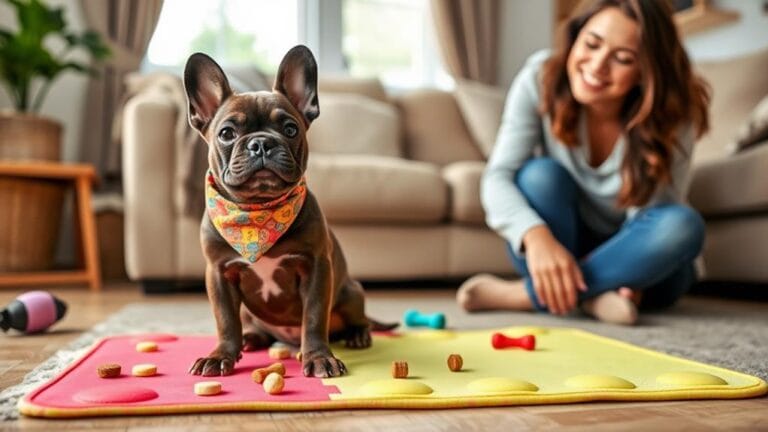
- Use positive reinforcement with praise and treats to reward successful outdoor potty sessions.
- Schedule bathroom breaks every 2 hours to minimize accidents and reinforce good potty habits.
Understanding Your French Bulldog
You may be interested
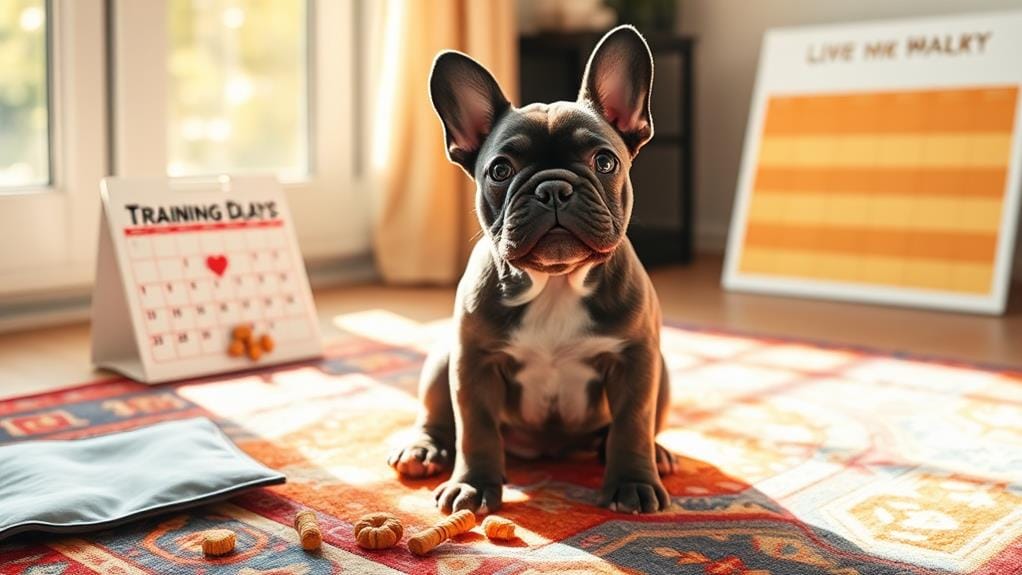
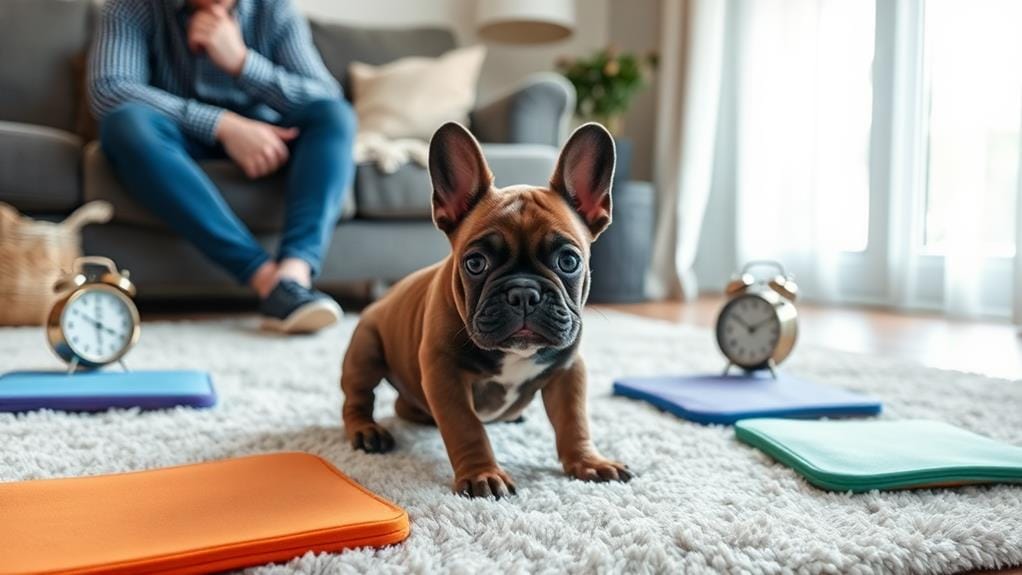

Understanding your French Bulldog is key to effective potty training. This breed’s stubbornness can challenge your training efforts, but with patience, you can overcome it. Consistency is essential: establish a designated potty area and take your pup there regularly. French Bulldogs typically have limited bladder control, so frequent breaks will help them succeed.
Incorporate positive reinforcement—praise and treats—immediately after they eliminate in the right spot. Early socialization plays a significant role, too; it helps your dog adapt to various environments, making potty training smoother. Remember, adverse weather conditions can hinder their willingness to go outside, so be mindful of their preferences. Understanding these unique traits will guide you through the training process effectively, fostering a strong bond with your French Bulldog.
Setting Up for Success
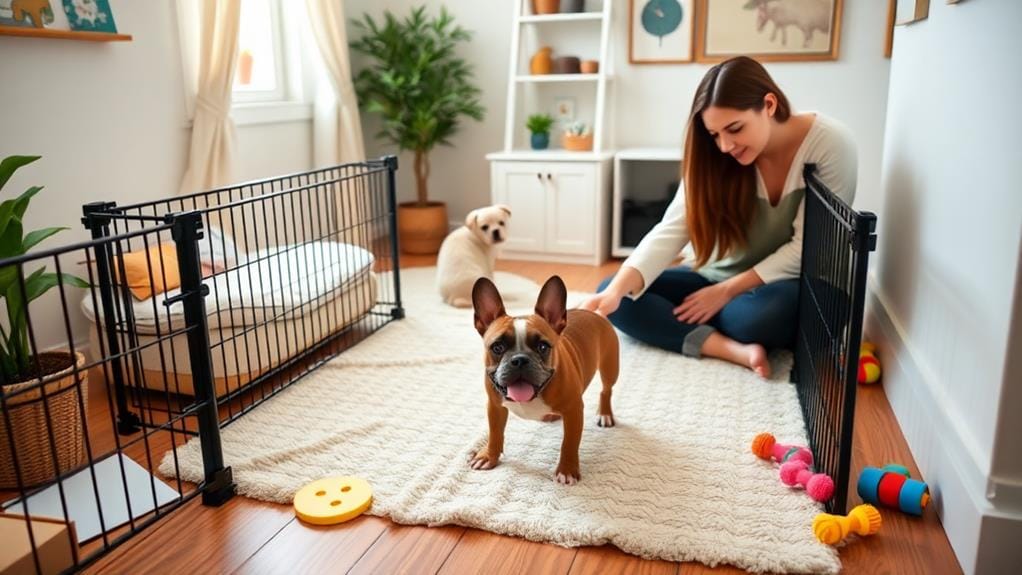
To set your French Bulldog up for potty training success, start by establishing a specific outdoor potty spot. This will help him associate that area with elimination. Consistency is key, so maintain a fixed feeding schedule to regulate bathroom breaks. Always take him outside immediately after meals, naps, and playtime.
Consider crate training as well; a properly sized crate encourages him to avoid soiling his sleeping area. Gather essential supplies such as a leash, treats, and cleaning materials to make the process smoother.
Keep the indoor area clean and free from distractions, creating a conducive learning environment. When he successfully uses the outdoor potty spot, remember to reward your puppy to reinforce positive behavior.
Recommended Products

Homey Pet Dog Crate Bank Includes: 4 Pack Three tiers stackable dog crate. Each unit comes with 4 x Lockable Casters, 2 x Steel Bowls, 1 x Door Lock (Pre-installed), 1 x PP Tray, 2 x Metal Floor Grids, 1 x Tray Guard, 2 x Open-Top Securing Screws, 2 x Floor-Grid Fixing Screws, and all required assembly screws

BUILT TO SUPPORT YOUR SMALL PET - Our Walkin’ wheelchair for dogs gives your small breed dog hind leg support. This wheelchair for dogs gives your pet balance and control. It helps relieve pressure and reduce the weight placed on your dog’s legs encouraging them to run, play, and enjoy an active lifestyle.

Puppy Playpen w/ adjustable & elevated 1/2 inch wire mesh floor grid, measures 48L x 48W x 30H inches
Establishing a Consistent Routine
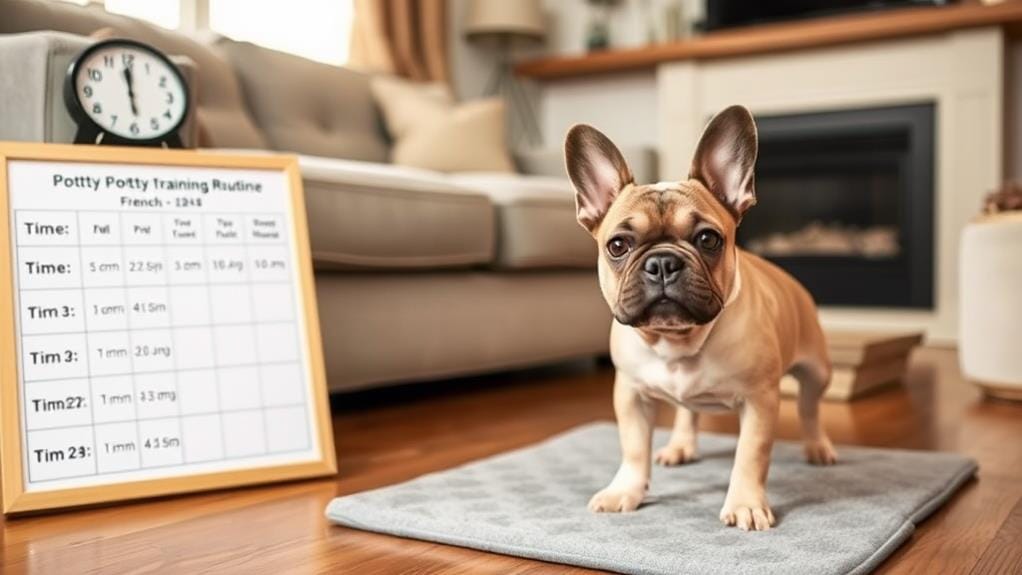
Establishing a consistent routine is essential for successfully potty training your French Bulldog, as it helps create a predictable pattern for bathroom breaks. A well-structured schedule will minimize accidents and reinforce good potty habits. Here are three key steps to evaluate:
- Fixed Feeding Schedule: Establish regular meal times to regulate bathroom breaks.
- Frequent Outdoor Breaks: Take your puppy outside every 2 hours, and right after meals, naps, or playtime.
- Use a Command: Consistently use a specific command, like “Go Potty,” during outdoor trips to help your dog associate it with the action.
Recommended Products
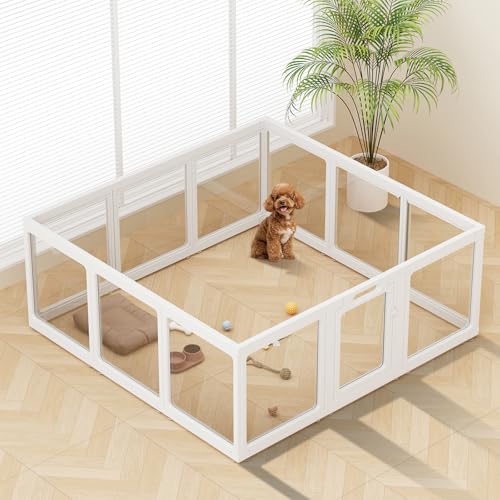
MODULAR EXPANSION PANELS:Optional Add-On for Custom Configurations;We offer optional add-on panels and gate doors to complement the main dog playpen set. Perfect for: Extending the enclosure for multiple pets.
Handling Challenges and Setbacks
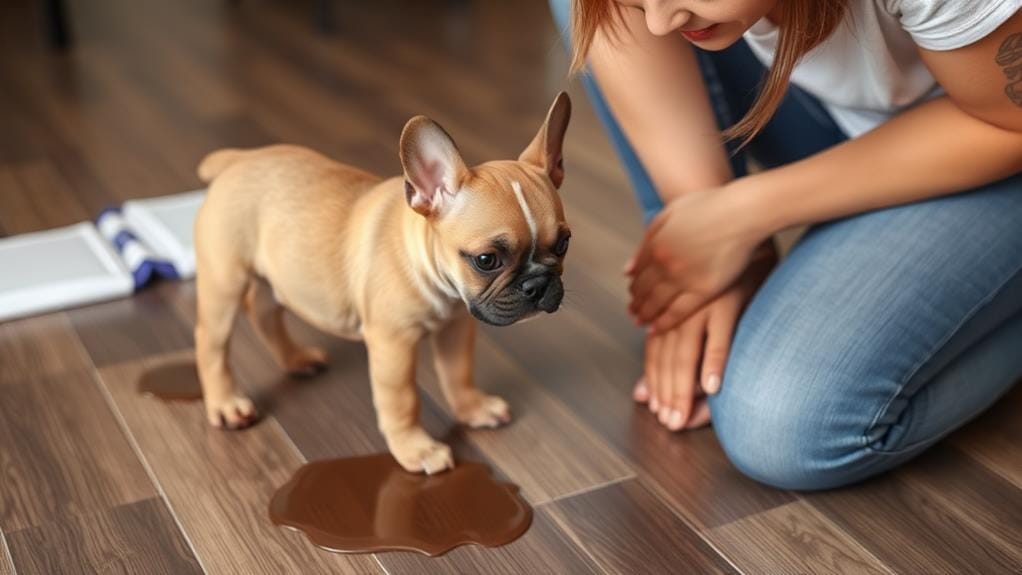
Accidents will inevitably happen during the potty training process, and it’s important to remember that this is a normal part of learning for your French Bulldog. Frequent accidents may indicate confusion rather than defiance, so reassess your training methods.
To manage challenges effectively, consider these tips:
- Establish Consistency: Schedule bathroom breaks every 2 hours to reinforce elimination behavior.
- Supervision is Key: Monitor your puppy closely for signs like sniffing or circling, which indicate the need to go outside.
- Use High-Value Treats: Reward successful outdoor potty sessions immediately to encourage positive behavior.
- Be Patient: Understand that it may take 2-3 months for your puppy to grasp potty training fully, and training setbacks are part of the process.
Recommended Products

[Dogs Love Their Crates] The purpose and function of a dog kennel are to provide enough space for your dog to move around/rest. It's probably the place in the house that is truly theirs, where they can be undisturbed and feel safe.

【Roomy and Robust for Your Furry Family! 】ZOOSKY dog stroller for large dogs boast an inner size of 33” x 20” x 12”, perfect for large pets under 30 inches, like Dobermans, Boxers, and Labradors. The extra-wide carriage provides a comfortable ride for multiple pets, fitting 3-4 medium-sized companions such as Bulldogs and Corgis, or 4-7 small pets like Poodles and Chihuahuas.

HARDWOOD DOG BED RAMP: Our dog ramp for bed exemplifies true furniture-grade craftsmanship, made from solid Birchwood. This wooden ramp for dogs to get on bed is not only robust and long-lasting but also adds an aesthetic charm to your bedroom. It's a sophisticated choice for integrating with your home decor.
Frequently Asked Questions
Are French Bulldogs Difficult to Potty Train?
Imagine maneuvering through a maze; French Bulldogs can be tricky to potty train. Their temperament demands patience and socialization. Embrace consistent schedules, reward systems, and crate training tips to foster understanding and minimize common mistakes along the journey.
Is 4 Months Too Old to Potty Train a Puppy?
No, 4 months isn’t too old to potty train your puppy. Focus on potty training basics, watch for puppy behavioral cues, and use crate training tips, positive reinforcement, and an outdoor potty routine for success. Patience matters!
How to Stop a 4 Month Old Puppy From Peeing and Pooping in the House?
To stop your puppy from peeing indoors, establish a consistent schedule, watch for outdoor cues, and use positive reinforcement. Crate training can help, while addressing any health issues or scent marking guarantees success.
How Do I Stop My French Bulldog From Peeing in the House?
To stop your French Bulldog from peeing indoors, focus on consistent potty training and establish a reliable outdoor schedule. Use positive reinforcement, crate training, and monitor for behavioral issues like scent marking or health concerns.