As an Amazon Associate, we earn from qualifying purchases. Some links on this site are affiliate links at no extra cost to you. Our recommendations are based on thorough research and editorial judgment.


Tasty Senior Bulldog Recipes: Vet-Approved Meal Ideas

When preparing tasty, vet-approved meals for your senior bulldog, focus on easily digestible, nutrient-dense ingredients. Incorporate lean proteins like chicken or fish, along with senior-friendly carbohydrates such as sweet potatoes and brown rice. Include vegetables for fiber and essential vitamins. Guarantee proper hydration by adding water-rich foods or low-sodium broth. Adjust textures to accommodate dental issues, opting for softer or pureed ingredients when necessary. Practice portion control to maintain a healthy weight, typically offering 1 cup of food per 15 pounds of body weight. Consult your veterinarian for personalized recommendations and consider supplements to address specific health needs. The following sections offer detailed insights into crafting balanced, appetizing meals for your aging companion.
Key Takeaways
- Focus on high-quality protein sources like lean meats and fish to maintain muscle mass and support kidney health.
- Incorporate easily digestible carbohydrates such as sweet potatoes and brown rice for energy and fiber.
- Add omega-3 rich ingredients like salmon to reduce inflammation and support cognitive function in senior bulldogs.
- Include soft, hydrating ingredients like steamed vegetables and low-sodium broth to aid in digestion and increase fluid intake.
- Consult with a veterinarian to tailor portion sizes and supplement needs based on the individual bulldog’s health requirements.
Nutritional Needs of Senior Bulldogs

You may be interested

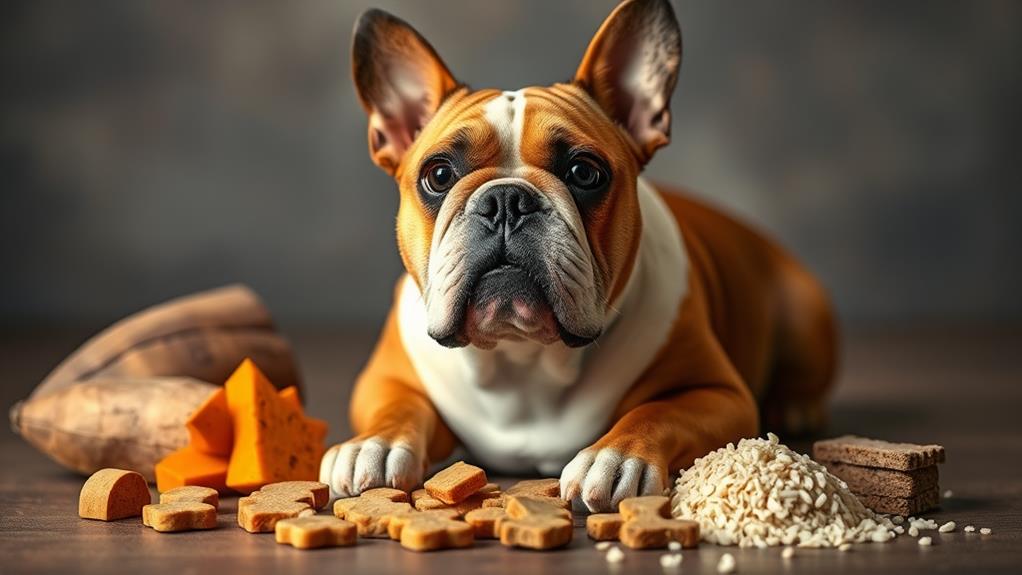
As your bulldog enters their golden years, their nutritional needs change considerably. Senior dogs require a diet tailored to support their aging bodies and specific health concerns. High-quality protein becomes imperative for maintaining muscle mass while reducing stress on aging kidneys.
Essential fatty acids, particularly omega-3, play a critical role in promoting cognitive function and skin health. Easily digestible carbohydrates, such as sweet potatoes and brown rice, provide energy without taxing your senior bulldog’s digestive system.
Incorporating vegetables like carrots and green beans guarantees adequate fiber intake, supporting digestive health and preventing constipation.
It’s important to note that each senior bulldog may have unique dietary restrictions or health conditions. Regular consultations with a veterinarian are necessary to create a personalized diet plan that addresses your dog’s specific needs, securing ideal nutrition and well-being in their later years.
Vet-Recommended Protein Sources
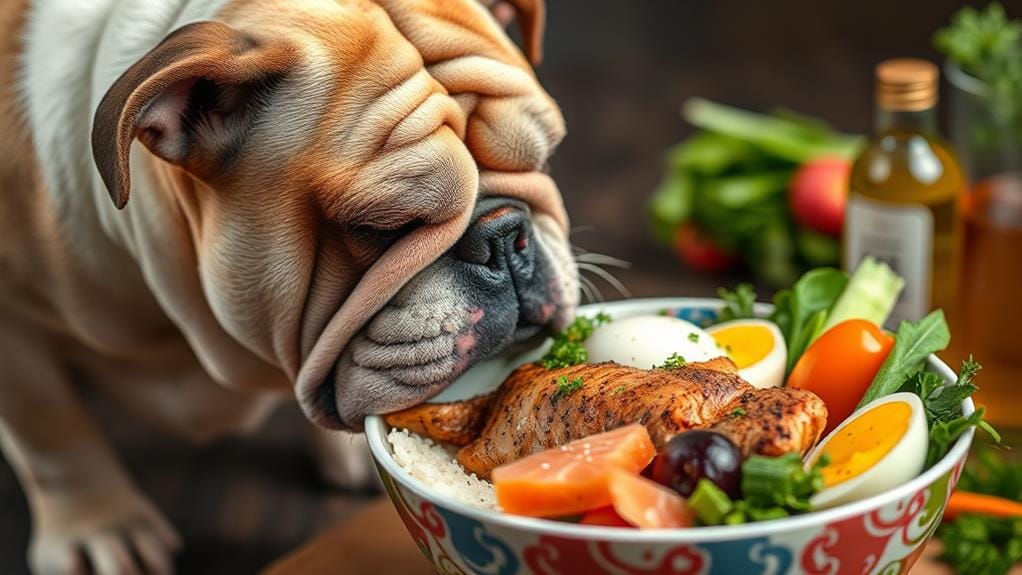
Veterinarians frequently recommend specific protein sources for senior bulldogs to guarantee they receive ideal nutrition.
When planning your senior dog’s veterinary diet, consider incorporating lean meats such as chicken, turkey, and beef. These provide essential amino acids for muscle maintenance and overall health.
Fish, particularly salmon, is an excellent choice due to its omega-3 fatty acids, which support joint health and reduce inflammation.
For easily digestible protein sources, eggs offer additional nutrients like vitamins A, B12, and riboflavin.
Cottage cheese is a gentle option for the digestive system, but introduce it gradually to avoid lactose intolerance issues.
When selecting protein sources for your senior bulldog, consult with your veterinarian to verify they meet your pet’s specific dietary needs and restrictions.
This personalized approach will help maintain your dog’s health and well-being in their golden years.
Recommended Products

Supports a Strong Immune System: Our powerful blend of Turkey Tail mushrooms and Beta-Glucan helps promote everyday wellness and immune defense for dogs of all breeds.

VALUE PACK - Stock up on the food your dog loves, save on every bag, and enjoy the convenience of consistent, premium nutrition. Our best-selling 1 pound bag of Nutra Complete Dog Food now comes in a pack of four!

Contains One 30LB Bag of NutriSource Puppy Food
Senior-Friendly Carbohydrate Options
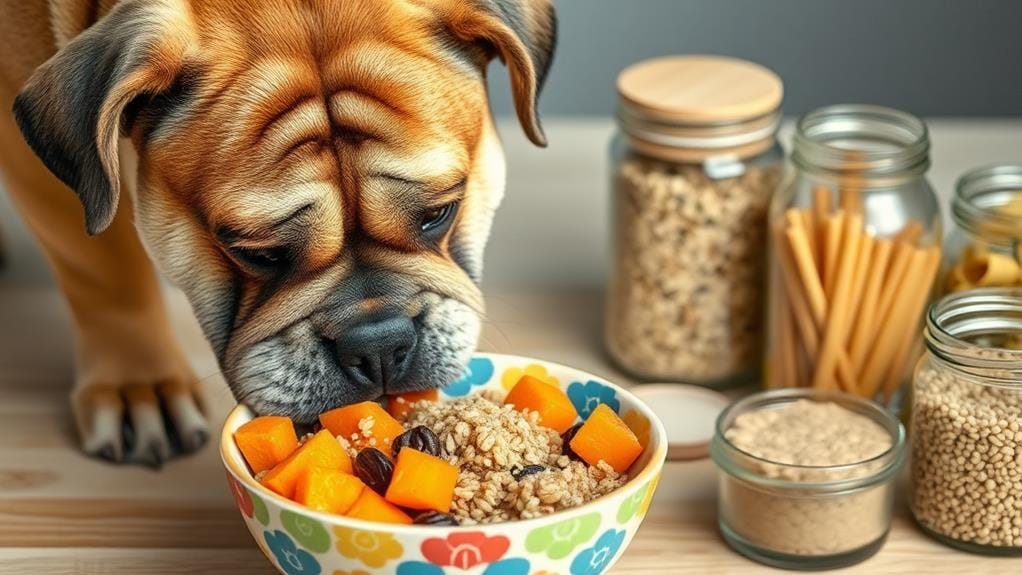
Carbohydrate choices play an essential role in maintaining your senior bulldog’s health and energy levels. When selecting carbohydrate options for your aging canine companion, focus on easily digestible sources that provide sustained energy without causing digestive upset.
Sweet potatoes and brown rice are excellent choices, offering nutrient-dense fuel for senior dogs. Whole grains like oats and barley support healthy digestion by providing essential fiber. Incorporate vegetables such as peas and carrots to add not only carbohydrates but also crucial vitamins and minerals.
To optimize your senior bulldog’s diet:
- Avoid refined carbohydrates (white rice, pasta) to prevent weight gain and blood sugar spikes.
- Choose vet-approved carbohydrate sources tailored to your dog’s specific needs.
- Consult with your veterinarian to determine the most appropriate carbohydrate options based on your senior bulldog’s health conditions and dietary requirements.
Recommended Products
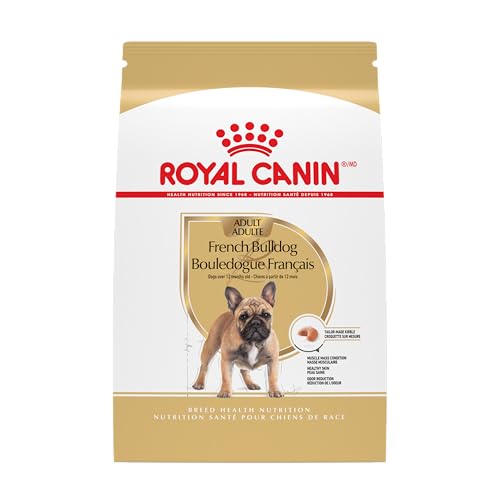
BREED HEALTH NUTRITION DOG FOOD: Royal Canin Breed Health Nutrition French Bulldog Adult Dog Food Dry Formula for purebred French Bulldogs 12 months and older

REAL CHICKEN FIRST: Deboned chicken provides lean protein to support strong muscles and lasting energy.
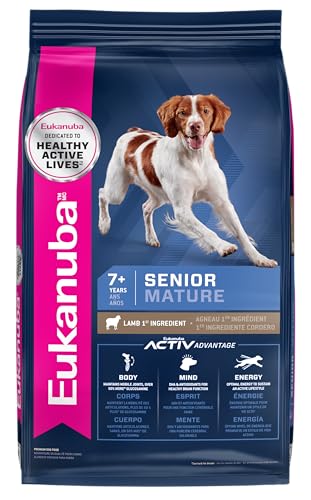
SENIOR DOG FOOD: Eukanuba Senior Lamb 1st Ingredient Dry Dog Food is complete and balanced nutrition for senior small and medium breed dogs over 7 years old weighing up to 54 lb
Essential Vitamins and Minerals
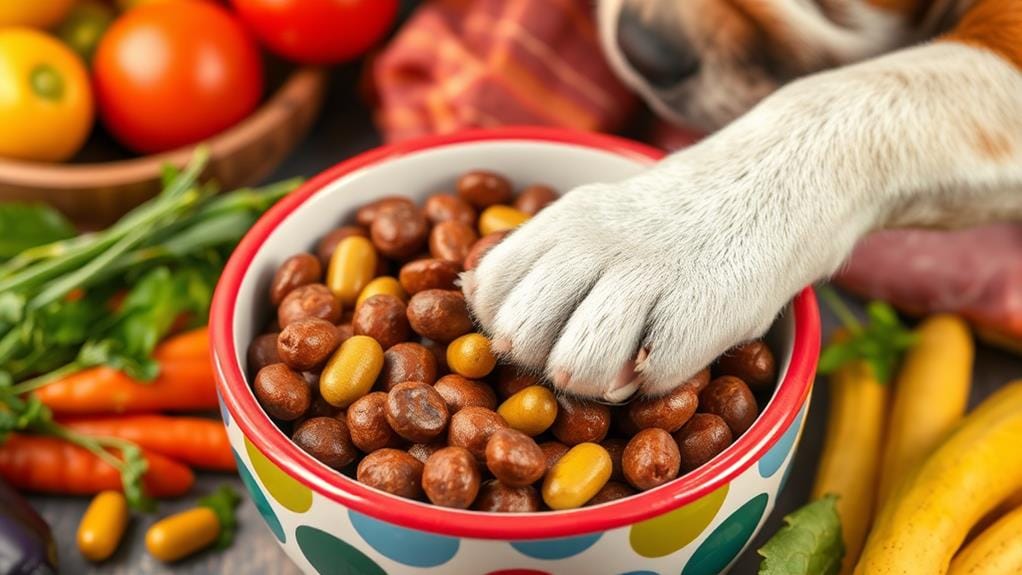
When preparing meals for your senior bulldog, it’s essential to focus on key nutrients that support their aging bodies.
You’ll want to include important vitamins like A, D, and B complex, as well as minerals such as calcium and phosphorus, which are critical for maintaining strong bones and overall health.
To guarantee proper balance and supplementation, consider incorporating omega-3 fatty acids and antioxidants into your dog’s diet, which can help reduce inflammation and combat oxidative stress.
Recommended Products
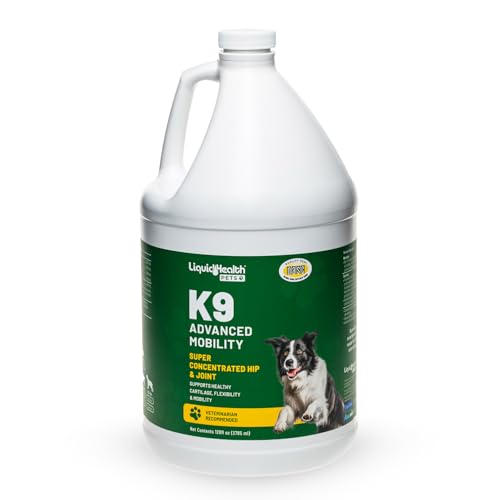
USA MADE DOG LIQUID GLUCOSAMINE LEVEL 5000: Liquid Health’s most powerful formula with 5200 mg of Glucosamine Hcl and Sulfate plus 1000 mg of Opti-MSM and 1000 mg of Chondroitin per serving. One bottle is perfect for a large dog or multiple dog household.


500 Count Bottle is ideal for multi-dog households.
Key Nutrients for Seniors
As your Bulldog enters their golden years, providing them with the right balance of essential vitamins and minerals becomes crucial for maintaining their health and vigor.
Senior dogs require a diet rich in:
- Vitamin E for immune function
- Vitamin A for vision and skin health
- B vitamins for energy metabolism
- Calcium for strong bones, teeth, and muscle function
- Omega fatty acids, particularly omega-3, to reduce inflammation and promote skin and coat health
- Antioxidants like Vitamin C and selenium to combat oxidative stress
- Fiber from vegetables and whole grains to aid digestion and prevent obesity
These key nutrients work together to support your aging Bulldog’s overall well-being.
Guarantee their diet includes high-quality protein sources, fresh fruits and vegetables, and supplements as recommended by your veterinarian to meet their specific nutritional needs.
Supplementation and Balance
Proper supplementation is the cornerstone of a balanced diet for your senior Bulldog. Essential vitamins and minerals, including calcium, omega fatty acids, and antioxidants, are essential for maintaining your aging dog’s health.
Multivitamins can address potential nutrient deficiencies, especially in homemade diets. Vitamin E and C are particularly important for reducing inflammation and promoting overall well-being in senior dogs.
To guarantee a balanced diet, incorporate fiber-rich ingredients like pumpkin and sweet potatoes to aid digestion.
However, it’s critical to consult with a veterinarian to tailor supplementation to your Bulldog’s specific needs. They can help you determine the appropriate balance of nutrients, considering your dog’s individual health requirements.
Hydration-Boosting Ingredients
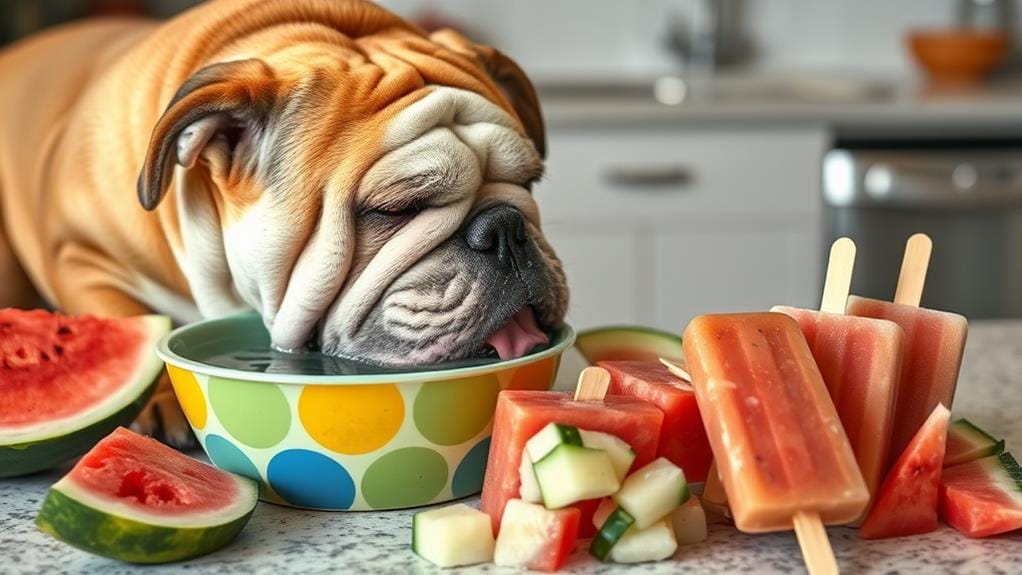
Senior bulldogs often struggle with dehydration, making it crucial to incorporate hydration-boosting ingredients into their meals. To increase moisture intake, include water-rich vegetables like cucumbers and zucchini in your dog’s homemade recipes. These not only provide hydration but also offer essential nutrients.
Enhance flavor and encourage fluid consumption by adding low-sodium broth to meals. Fruits such as watermelon and cantaloupe can contribute to hydration while supplying vitamins A and C. Incorporate plain yogurt into recipes to support digestion and provide probiotics for gut health.
For senior dogs with dental issues, steam vegetables like carrots and broccoli to increase their water content and make them easier to chew. By focusing on these hydration-boosting ingredients, you’ll help guarantee your senior bulldog stays properly hydrated and maintains peak health.
Easy-to-Chew Texture Considerations
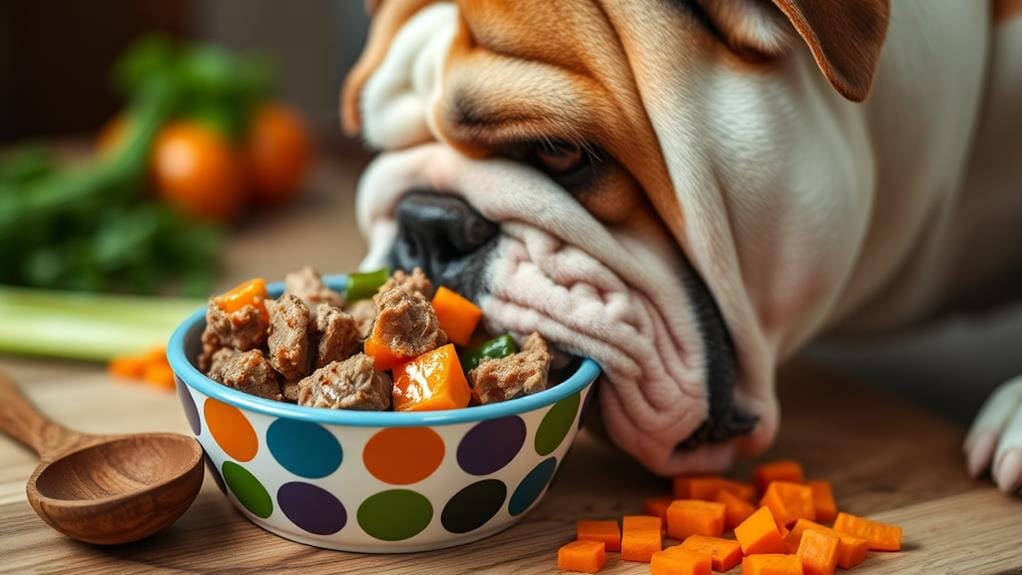
Crafting meals with easy-to-chew textures is essential for senior bulldogs who may face dental challenges. To guarantee proper nutrition without discomfort, focus on softened ingredients that cater to your dog’s chewing capabilities. Incorporate cooked vegetables and moist grains to create a palatable meal with a mushy consistency.
Consider these texture modifications:
- Shred chicken or use ground meat for easier consumption
- Mash or puree components to achieve a smooth texture
- Adjust recipes based on your dog’s ability to chew and swallow
Regularly monitor your senior dog’s eating habits and make necessary adjustments to meal textures. By providing easy-to-chew options, you’ll help prevent discomfort while guaranteeing your bulldog receives adequate nutrition.
Recommended Products

Royal Canin BHN Labrador Retriever Adult 5+ Dry Dog Food is complete and balanced nutrition designed to meet the specific diet needs of maturing Labrador Retrievers 5 years and older
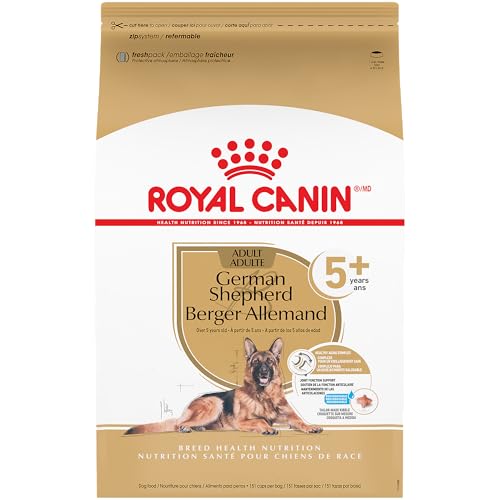
Royal Canin German Shepherd Adult 5+ Dry Dog Food is complete and balanced nutrition designed to meet the specific needs of senior purebred German Shepherds 5 years and older

MEDIUM BREED DOG FOOD: Royal Canin Medium Aging 10+ Dry Dog Food for medium senior dogs 10+ years weighing 23 to 55 lbs
Portion Control for Aging Bulldogs
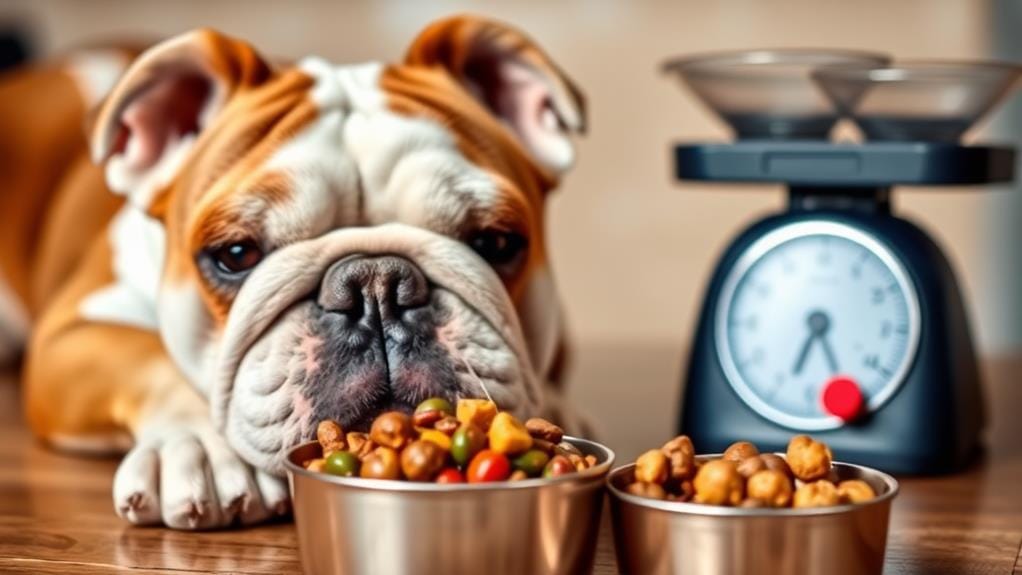
As bulldogs age, their nutritional needs change markedly, making portion control a vital aspect of their diet. For aging Bulldogs, a general guideline is to provide 1 cup of homemade food per 15 pounds of body weight.
However, this may vary based on individual health needs and activity levels. It’s essential to monitor your senior Bulldog’s weight regularly and adjust portions accordingly to prevent unwanted weight gain or loss.
To guarantee proper portion control for your aging Bulldog:
- Consult with a veterinarian for tailored recommendations based on your dog’s specific dietary needs
- Gradually shift to new portion sizes to avoid digestive upset
- Regularly reassess and adjust portions as your Bulldog’s health needs change
Meal Prep and Storage Tips
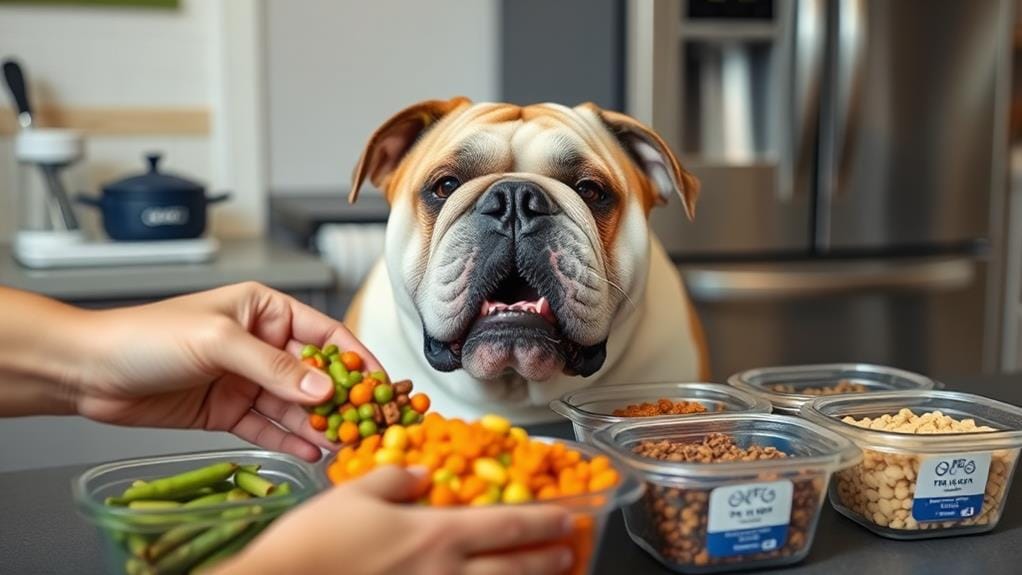
When preparing meals for your senior Bulldog, consider batch cooking strategies to save time and guarantee consistent nutrition.
You’ll want to cook larger quantities of food at once, portioning them out into individual servings for easy storage and feeding.
Proper storage techniques, including the use of airtight containers and freezing options, are essential for maintaining the freshness and safety of your Bulldog’s homemade meals.
Recommended Products

Batch Cooking Strategies
For busy pet parents, batch cooking is a game-changer when preparing meals for senior bulldogs. This strategy allows you to create multiple vet-approved, nutritious options in advance, ensuring your furry friend always has fresh, homemade dog food available.
When batch cooking, consider these key points:
- Cook proteins, grains, and vegetables separately to maintain texture and flavor
- Use airtight containers for storage, labeling with preparation dates
- Calculate portion sizes based on your dog’s weight (1 cup per 15 pounds)
Store prepared meals in the refrigerator for up to 5 days or freeze for longer-term use.
This approach not only saves time but also guarantees your senior bulldog receives consistent, balanced nutrition. By implementing these batch cooking strategies, you’ll streamline meal preparation while providing your aging companion with tailored, wholesome meals that cater to their specific dietary needs.
Proper Storage Techniques
Proper storage techniques are essential for maintaining the quality and safety of your senior bulldog’s homemade meals. Store homemade dog food in airtight containers to preserve freshness and prevent spoilage.
Refrigerate for up to 5 days or freeze for longer storage. Label containers with preparation dates to guarantee food safety and track consumption timelines. Portion out meals based on your dog’s weight, using a guideline of 1 cup per 15 lbs, to facilitate easy meal preparation and prevent overfeeding.
For ideal nutrient retention, avoid reheating dog food multiple times. Instead, thaw and heat only the portion needed for each serving.
When freezing, use freezer-safe bags or containers, removing as much air as possible to prevent freezer burn. These storage techniques will help maintain the quality and nutritional value of your senior bulldog’s homemade meals.
Transitioning to Homemade Senior Meals
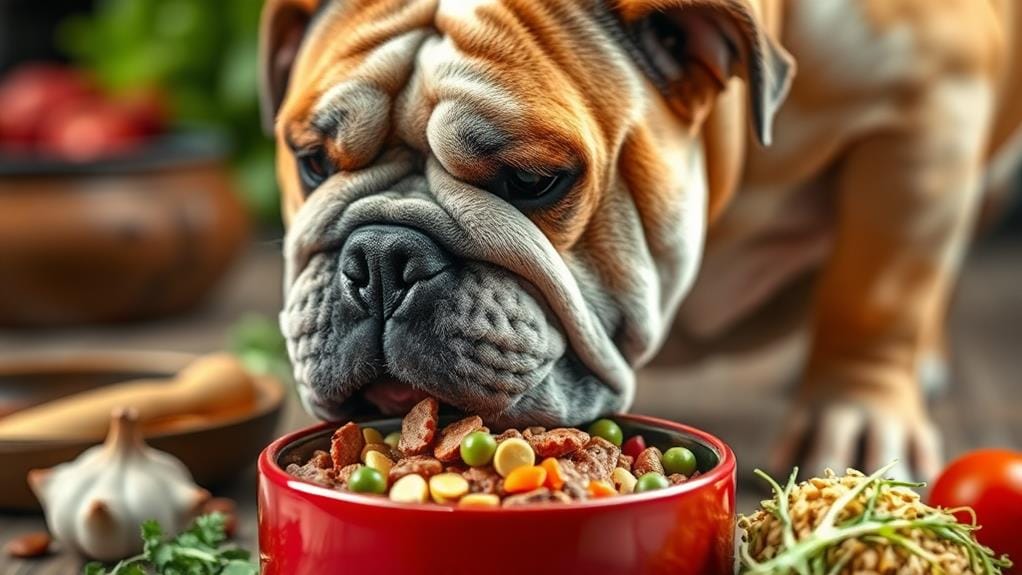
Shifting your senior bulldog to homemade meals requires patience and careful planning.
Begin by gradually introducing small amounts of the new food mixed with their current diet to prevent digestive upset. Monitor your bulldog’s reaction during this change, adjusting ingredients and portion sizes as needed. Consult with a veterinarian to confirm the homemade diet meets your senior dog’s specific nutritional requirements.
When moving to homemade senior meals, consider the following:
- Use a balanced recipe with lean proteins, whole grains, and vegetables
- Track your bulldog’s energy levels, coat condition, and overall health
- Adjust the diet based on veterinary recommendations
Keep in mind that senior bulldogs have unique dietary needs.
Verify your homemade meals provide adequate protein and vitamin levels for peak health. By carefully observing your dog’s response and making necessary adjustments, you’ll successfully shift to a nutritious homemade diet tailored for your senior bulldog.
Frequently Asked Questions
What Food Should I Cook for My Senior Dog?
For your senior dog’s nutrition, cook lean proteins, whole grains, and veggies. Consider age-related health and dietary restrictions. Use healthy cooking tips, watch portion sizes, and store meals properly. Always consult your vet about common food allergies.
Is Homemade Dog Food Good for Senior Dogs?
Homemade dog food can be a game-changer for your senior pup! You’ll see nutritional benefits, improved digestive health, and better weight management. You can control ingredient safety, adjust meal frequency, avoid food allergies, and experiment with cooking methods to suit your dog’s needs.
Do Vets Recommend Homemade Dog Food?
Many vets recommend homemade dog food when you follow vet nutrition guidelines. It can offer benefits for senior dog diets and address common dog allergies. Consult your vet for approved ingredients, dog food safety, and feeding frequency tips.
What Are the Best Ingredients to Put in Homemade Dog Food?
Lean, fresh, and wholesome: that’s your goal. You’ll want nutritional balance with quality protein sources, fiber-rich veggies, and healthy fats. Don’t forget vitamin supplements, and always guarantee ingredient safety. Remember, portion control is key for your pup’s health.
Conclusion
You’ve now revealed the secrets to keeping your senior bulldog healthy and happy through nutritious, vet-approved meals. Ironically, while you’ve been learning to cater to your aging companion’s needs, you’ve likely improved your own dietary awareness. As you implement these recipes and guidelines, remember that your furry friend’s twilight years can be just as vibrant as their youth. With careful attention to nutrition, texture, and portion control, you’ll guarantee your loyal companion enjoys every bite of their golden years.